
Teen Supermarket Cashier Fired for Refusing to Join and Fund UFCW Union
The following article is from the National Right to Work Legal Defense Foundation’s bi-monthly Foundation Action Newsletter, May/June 2023 edition. To view other editions of Foundation Action or to sign up for a free subscription, click here.
Union officials required teen to violate his religious beliefs or be fired

Josiah Leonatti may be young, but he’s not afraid to stand up to UFCW bosses, who got him fired over objecting to union membership and dues on religious grounds.
PITTSBURGH, PA – Josiah Leonatti, a high schooler, was fired last year for his religious beliefs. Giant Eagle and the United Food and Commercial Workers (UFCW) union compel employees, like Leonatti, to either join or fund the union to keep their jobs. The problem for Leonatti is that he cannot do so without compromising his religious beliefs.
When Leonatti was hired, he never expected that union bosses would force him to choose between his job and his religious convictions. But the union officials did just that.
With free legal aid from National Right to Work Foundation staff attorneys, Leonatti hit UFCW union officials and Giant Eagle in January with federal discrimination charges. Although Giant Eagle rehired Leonatti to limit liability, neither Giant Eagle nor the union agreed to accommodate his religious beliefs. So Leonatti faces discharge, again, unless he funds the union.
Moreover, the union demands that Leonatti submit to an illegal “religion test.” Before the company and union will consider accommodation, they demand that Leonatti answer irrelevant and inappropriate questions to determine whether his religious beliefs are valid.
UFCW Bosses Tried to Get Teen Fired After He Voiced Religious Objections
Foundation attorneys filed charges for Leonatti against the union at both the Equal Employment Opportunity Commission (EEOC) and the National Labor Relations Board (NLRB) based on federal law. Foundation attorneys also filed charges against Leonatti’s employer, Giant Eagle.
Federal law requires unions and employers to accommodate employees who have religious objections to joining or paying dues to a union. And federal law also prohibits forced union membership regardless of a worker’s reason for not wanting to affiliate with a union.
Leonatti’s charges report that he attended employee training last year as a cashier trainee. There, a store manager told new hires that they “must sign papers to join the United Food And Commercial Workers.” According to the NLRB charges, “No other options were even hinted at.”
After reviewing the papers with his family, Leonatti’s charges explain, he mailed a letter to UFCW officials detailing his sincere religious objections to joining and supporting the union. He also presented the same letter in person at training.
Rather than accommodate his religious beliefs as required by law, a company official “dismissed [Leonatti] from training and sent [him] home.” The same official later called Leonatti and told him that union membership is compulsory at Giant Eagle, and admitted the grocery store had terminated him over his refusal to join.
UFCW officials responded to Leonatti’s letter by mail on November 10, 2022, rejecting the written explanation of his religious objection and demanding he “complete its religious examination” before they even considered granting him an accommodation. Even if he passed this “test,” the charges say, union officials threatened that he would still have to pay an amount equal to full UFCW union dues to a charity approved by union bosses. Giant Eagle has not offered a religious accommodation to Leonatti, and the union has not retracted its threats or agreed to accommodate him.
Teen’s Firing Shows Need for Pennsylvania Right to Work Protections
Leonatti’s EEOC charges seek to compel the UFCW union and Giant Eagle to provide him a legally required religious accommodation. In addition, the NLRB charges state that relief must include unitwide notice and corporate training regarding workers’ right to refrain from union membership, among other remedies.
“Union bosses’ attempt to coerce a high school student to violate his religious beliefs is unconscionable and illegal,” commented National Right to Work Foundation Vice President Patrick Semmens. “We’re proud to support Mr. Leonatti as he defends his rights and beliefs. This should serve as a stark reminder that all Americans deserve Right to Work protections.”
“If Pennsylvania were a Right to Work state, Leonatti wouldn’t be forced to present his religious objections to expectedly hostile union chiefs,” Semmens added. “In a Right to Work state, he and other dissenting employees would have a statutorily protected right to cut off dues payments for any reason. All employees deserve the right to choose whether to fund a union.”
Virginia, Kentucky Workers Slam Union Officials with Charges for Illegal Dues Deductions
The following article is from the National Right to Work Legal Defense Foundation’s bi-monthly Foundation Action Newsletter, January/February 2023 edition. To view other editions of Foundation Action or to sign up for a free subscription, click here.
Union bosses seized full dues over employees’ clear objections, despite state Right to Work laws

“[I]t is time union officials accept that ‘no means no,’” said Buitoni employee Steven Ricketts, who is fighting to stop all dues as provided by Virginia’s Right to Work law.
DANVILLE, VA – For workers under the protection of Right to Work laws, union membership and financial support are supposed to be strictly voluntary. However, as recent cases brought with Foundation legal aid for workers in Kentucky and Virginia demonstrate, even in the 27 states that currently have Right to Work laws, union bosses will often attempt to illegally seize dues over workers’ objections.
“Living in Right to Work Virginia, it is outrageous that we need to take legal action just to stop union dues from being seized against our will,” commented Steven Ricketts, one of two employees at Buitoni Food Company who recently filed charges against United Steelworkers (USW) Local 9555. “I don’t want my money supporting the United Steelworkers union, and it is time union officials accept that ‘no means no’ when a worker resigns from the union and revokes their dues authorization.”
Ricketts and fellow employee Donald Hale each hand-delivered letters to both USW union officials and to their employer, formally resigning their union memberships and revoking their dues check-off authorizations.
Steelworkers Bosses Ignore 75-Year-Old Virginia Right to Work Law
After the workers’ letters were delivered, dues deductions briefly stopped only to quickly resume. In the case of Ricketts, Buitoni Food Company not only restarted union dues deductions but also deducted double the dues amount in a subsequent paycheck. Deductions from Mr. Hale’s paycheck also resumed without his authorization after a short period.
Mr. Ricketts sent an email to the company’s human resources department after the dues seizures restarted and was told to contact union officials about it. Each employee sent another letter to the United Steelworkers union, specifically requesting copies of their dues check-off authorizations. However, money continues to be deducted without their consent and without the union officials producing copies of the authorizations that are legally required before any such deductions can occur.
Eventually the workers filed unfair labor practice charges against both the USW and their employer for their respective roles in the unauthorized union dues deductions.
Regarding the Foundationbacked charges, Hale noted: “I’m grateful for the National Right to Work Foundation assistance in enforcing my legal rights, but it really shouldn’t take a federal case to cease the collection of union dues.”
Meanwhile in neighboring Kentucky, Shiphrah Green, who works at Ford’s Louisville Assembly Plant, filed similar charges with the National Labor Relations Board (NLRB) against the United Automobile Workers (UAW) Local 862 union, as well as the UAW international union and Ford, for illegal union dues deductions.
Kentucky Autoworker Hits UAW Union with Federal Charges
Green notified both Ford and UAW union officials in April 2022 that she was resigning her union membership and cutting off all union dues deductions from her wages, as is her right under Kentucky’s Right to Work law. Instead of honoring her request, Green instead received an email from UAW Local 862’s president notifying her that Green needed to be shown the allegedly “correct” method to leave the union.
During a subsequent meeting with union officials at the UAW union hall, UAW officials subjected Green to interrogation about why she wanted to leave the union, and also demanded she sign a letter listing “benefits” Green would supposedly forgo if she went through with exiting the union. Longstanding NLRB precedent makes such restrictions on resignation illegal, as was the UAW Local 862 president’s coercive statement to Green that “if it were up to me, you’d lose your job for leaving the union.”
Despite Green’s resignation and requests to cut off union dues, UAW and Ford did not stop dues deductions. While Green continued trying to get Ford management to end the dues deductions, her efforts proved futile, as Ford officials gave her several confusing responses and even told her that she could only cease dues deductions in February 2023, even though the previously authorized dues deduction document could be revoked at will.
Finally, after getting the runaround from both Ford and the UAW, Green filed charges with the NLRB in October using free legal aid from the National Right to Work Foundation. As this issue went to print, Labor Board regional officials were conducting an investigation to see if Ford and the union should be prosecuted for illegal dues seizures.
Foundation Attorneys Play Essential Role in Limiting Union Boss Power
“As thousands of Foundation cases have demonstrated — whether in Right to Work states or forceddues jurisdictions, or whether litigated for government employees or private sector workers — limits on union bosses’ power to seize money from workers mean little if they aren’t enforced,” commented National Right to Work Foundation Vice President Patrick Semmens.
“Virginia has had a Right to Work law on the books for over 75 years, while Kentucky’s Right to Work law is barely over five years old, but in both commonwealths, union bosses are illegally seizing union dues,” added Semmens. “These cases show why defending and enforcing workers’ Right to Work protections has been and will remain a top priority of the Foundation.”
Full Foundation Action November/December 2022 Newsletter Now Online
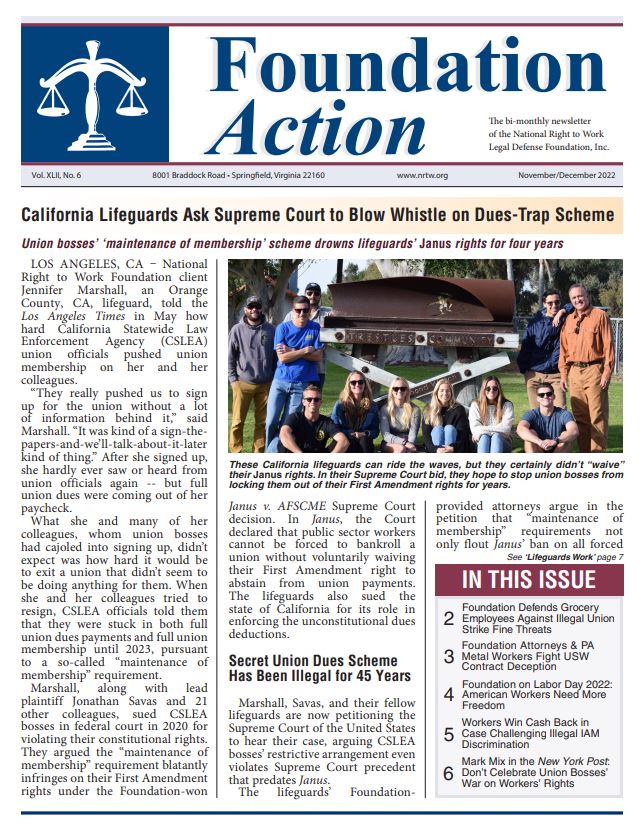
All articles from the November/December issue of Foundation Action are now on the website.
In this issue:
- South Jersey Bus Drivers Challenge Dues Trap Scheme in New Janus Lawsuit
- Slot Machine Technicians Appeal Outrageous Decision Denying Decertification Vote
- Worker Wins $18,000+ for Illegal Firing at IAM Union Bosses’ Behest
- Mark Mix in The Wall Street Journal: Jennifer Abruzzo’s Plan to Abolish Union Elections
- Flight Attendant Battling Religious Discrimination Beats Union Attempt to End Case
- Forced Dues For Politics: CWA Union Hit with Federal Charge by Pennsylvania Metal Worker
Recent articles can be found here. To sign up for a free copy of the newsletter via mail please see the form at the bottom of this page.
Workers Win Cash Back in Case Challenging Illegal Discrimination for Non-Union Status
The following article is from the National Right to Work Legal Defense Foundation’s bi-monthly Foundation Action Newsletter, November/December 2022 edition. To view other editions of Foundation Action or to sign up for a free subscription, click here.
Machinists union scheme sought to deny non-union workers’ bonuses because they opposed union association
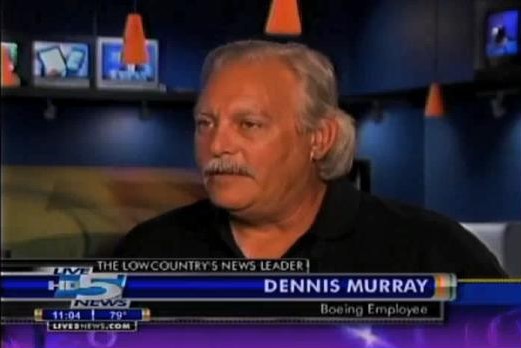
IAM bosses regularly discriminate against dissident workers. In 2011, Foundation-assisted South Carolina Boeing employee Dennis Murray recounted how IAM officials tried to shutter his plant because workers there had voted the IAM out.
RIDGWAY, PA – Twelve nonunion factory employees at Clarion Sintered Metals, Inc., have each received $1,000 in back pay bonuses after being illegally discriminated against by International Association of Machinists and Aerospace Workers (IAM) Local 2448 and their employer. With free legal aid from the National Right to Work Foundation, factory worker James Cobaugh filed federal charges against Clarion and IAM as he sought justice for himself and other non-member workers subject to unlawful discrimination.
Mr. Cobaugh’s charges against the union and his employer were filed on April 22, 2022, with the National Labor Relations Board (NLRB). The charges came after the union and Clarion Sintered Metals gave $1,000 bonuses to union members, but denied them to workers who exercised their legal right not to join the union. Rather than face prosecution by the NLRB, both the union and employer have now agreed to settle the case.
In addition to the non-union employees receiving the bonuses they were previously denied as a result of the illegal discrimination, both the IAM and Clarion Sintered Metals are required to post notices that inform workers of their right to refrain from joining a union. The notices also state union officials will not maintain or enforce such discriminatory agreements going forward.
Machinists Union Bosses Already Forced Non-Union Workers to Pay Dues
Because Pennsylvania lacks Right to Work protections for private sector employees, unions can force workers to pay up to 100% of union dues as a condition of keeping their jobs. This means that Mr. Cobaugh, although not a formal IAM union member, can be forced to pay up to 100% of IAM’s union dues to keep his job at Clarion Sintered Metals.
Even in Right to Work states, under federal law union bosses are granted the power to impose “representation” on individual workers against their will, including forcing non-member workers under union monopoly contracts they oppose. By stripping workers of their right to bargain for their own terms and conditions of employment, individual workers by law are prohibited from negotiating for themselves with their employers for better conditions.
Forced Union Monopoly ‘Representation’ Long Used to Discriminate
Union officials frequently use these government-granted powers to harm certain workers, for example those workers who, based on their productivity, would otherwise earn performance bonuses or higher compensation. Although union officials can impose one-size-fits-all monopoly contracts that favor some workers over others, there are some limits on how union monopoly powers can be used to discriminate.
The U.S. Supreme Court imposed these limits after union officials wielded their powers to negotiate and enforce racially discriminatory contracts (Steele v. Louisville & N.R. Co. et al.). Explicitly discriminating against workers who exercise their legally protected right to not formally join a union and not be subject to internal union rules, as the IAM officials did in this case, has also long been illegal.
“This situation highlights how workers less knowledgeable of their legal rights are susceptible to blatantly illegal tactics of power-hungry union bosses,” commented National Right to Work Foundation Vice President Patrick Semmens. “Mr. Cobaugh courageously stood up to the union’s unlawful actions, not only for himself, but also for the other non-member workers subjected to this illegal discrimination.”
Foundation Attorneys & PA Metal Workers Fight Steelworkers Union Contract Deception
The following article is from the National Right to Work Legal Defense Foundation’s bi-monthly Foundation Action Newsletter, November/December 2022 edition. To view other editions of Foundation Action or to sign up for a free subscription, click here.
Union bosses lied to metal workers and covertly signed forced-dues contract to keep grip on power
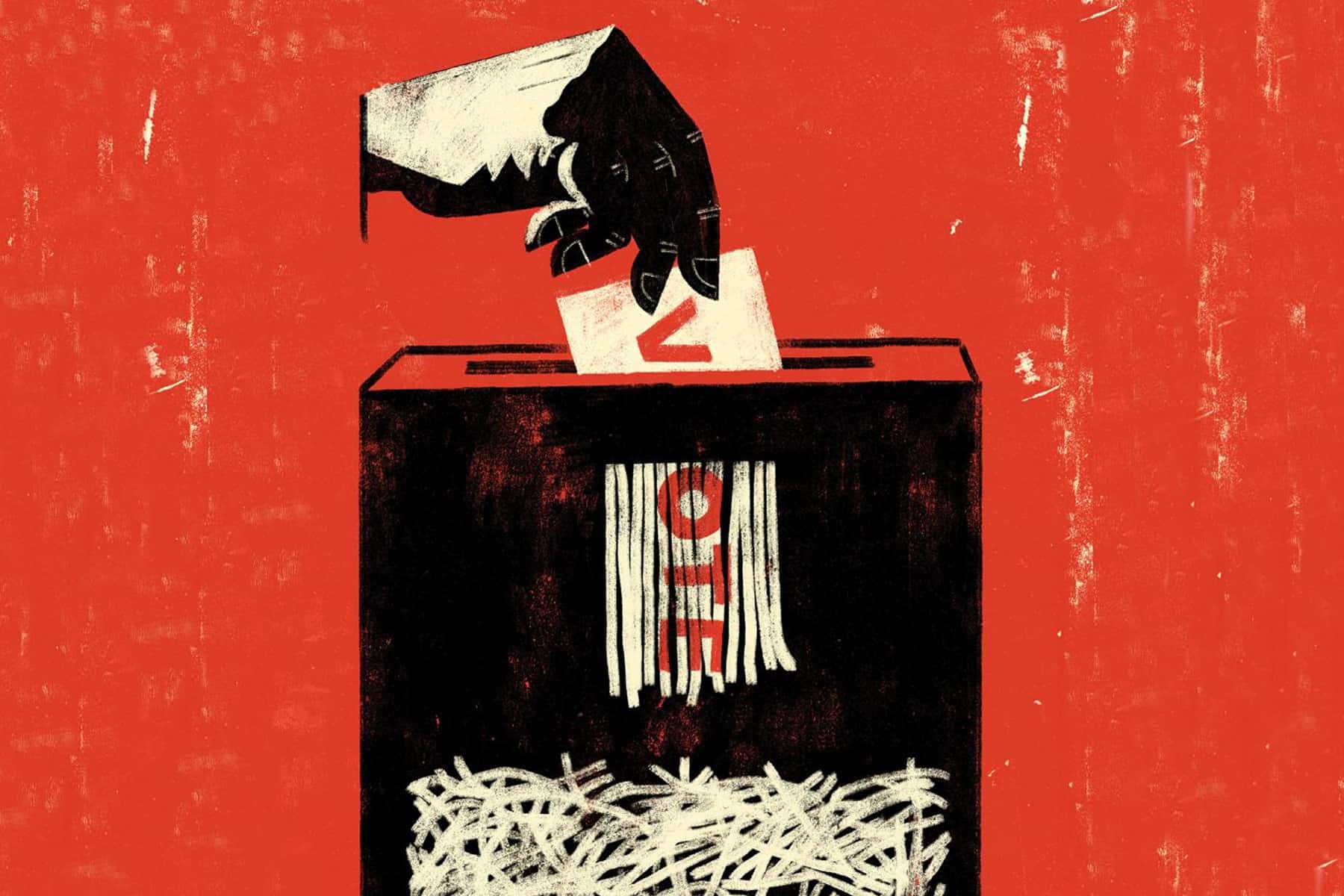
In NLRB documents, Steelworkers union officials openly defended their deception of employees, calling such behavior “irrelevant” to whether they should remain in power.
FRANKLIN, PA – Workers under the thumb of union bosses have many reasons to oppose the union’s “representation.” It could be they oppose a bad contract the union negotiated, or maybe it is the union’s divisive political activity for candidates they oppose. Whatever the reason, workers have a right under federal labor law to vote to free themselves of such unwanted union “representation.”
But federal labor law also has no shortage of workarounds for union bosses bent on clinging to their monopoly bargaining power over workers. Kerry Hunsberger and her coworkers at Latrobe Specialty Steel’s Franklin, PA, facility are currently defending their right to throw out unpopular Steelworkers union officials, after the union chiefs secretly signed a contract workers had voted down twice.
Steelworkers Officials Tried to Dodge Employee Accountability
Steelworkers chiefs did so to activate a so-called “contract bar” and remain in power at the plant when they knew a decertification election was coming. Steelworkers officials held two ratification votes to make workers think they had control over whether the contract went into effect. But in reality, union officials have no legal obligation under the National Labor Relations Act (NLRA), the federal statute that governs private sector labor relations, to even conduct such a ratification vote, much less heed the workers’ actual vote tally.
The pro-union boss National Labor Relations Board (NLRB) created out of whole cloth the “contract bar” policy. It immunizes union officials from employee-backed attempts to vote out a union for up to three years after union bosses and management finalize a contract — even a contract that isn’t supported by a majority of workers.
Hunsberger’s petition asking the NLRB to hold a vote to remove the union contains the requisite number of signatures under NLRB rules, but union officials argue the “contract bar” should block the election anyway.
Union Bosses Ignored Two Votes by Workers Rejecting Forced-Dues Contract
The Latrobe Specialty Steel workers first voted July 25 on the contract drawn up by Steelworkers union officials. The workers soundly rejected the contract, and Hunsberger began collecting employee signatures for a decertification petition shortly afterwards.
According to documents and transcripts filed with the NLRB, when Steelworkers union officials discovered a decertification petition was circulating, they secretly and hurriedly signed the unpopular contract on July 28, without telling the employees or the employer, in an attempt to activate the “contract bar” rule and avoid being voted out.
The slapdash contract lacked basic In NLRB documents, Steelworkers union officials openly defended their deception of employees, calling such behavior “irrelevant” to whether they should remain in power. elements, like start and end dates. Even though the union now claims this contract was immediately in effect on July 28, union officials held a new employee ratification vote on August 1, encouraging workers to “ratify” the contract. But the union bosses never told the workers their “vote” was a meaningless sham because union officials had already signed the forced-dues contract in secret.
Hunsberger’s decertification petition was filed at 2:00 PM on August 1, just hours before the sham contract vote occurred. As with the previous vote, the workers rejected the contract by a lopsided margin. But later that night, at around 9:00 PM, union officials suddenly announced to the employer that the contract was already in effect and the employee ratification “vote” was irrelevant because of the union bosses’ covert signing on July 28.
In sworn testimony, one union boss admitted that Steelworkers union bosses execute contracts despite employees voting them down, and that union officials deceived the Latrobe workers and ignored their votes in this case “to protect the integrity of the union.” Apparently the Steelworkers bosses’ lust for monopoly bargaining power and compulsory union payments takes precedence over the actual wishes of the rank-and-file workers union officials purport to “represent.”
‘Contract Bar’ Encourages Unions to Force Through Unpopular Contracts
“Steelworkers union bosses drew up a contract that my coworkers and I hated, so naturally we wanted them out of our workplace and out of our pocketbooks. But to add insult to injury, they apparently didn’t even think they owed us a duty of honesty,” said Hunsberger.
“This entire ordeal has been incredibly frustrating and we are grateful for the help of the National Right to Work Foundation in defending our right to vote the union out.”
Kerry Hunsberger’s Foundationbacked brief defending her and her coworkers’ rights states that the Steelworkers’ contract ploy is “nothing more than a smokescreen, concocted by a desperate and unpopular union to entrench itself and bar employee free choice” under federal law.
“The ‘contract bar’ arbitrarily blocks, often for years, workers’ statutory right under federal law to vote out union officials they oppose. Worse, it encourages union officials to cynically impose a contract at all costs, especially when union bosses know rank-and-file workers would see such a contract as a reason to get rid of so-called union ‘representation,’” commented National Right to Work Foundation Vice President Patrick Semmens. “This case presents an easy choice for the NLRB: defend the rights of rank-and-file workers, or side with Steelworkers union officials, who repeatedly misled those workers and disregarded their votes simply to protect union power. The case also demonstrates that there is no such thing as ‘union democracy’ in America.”
ATU Union Facing Prosecution After Agent Physically Assaults Bus Driver
The following article is from the National Right to Work Legal Defense Foundation’s bi-monthly Foundation Action Newsletter, September/October 2022 edition. To view other editions of Foundation Action or to sign up for a free subscription, click here.
Bus driver targeted by union militants for opposing incumbent union officials
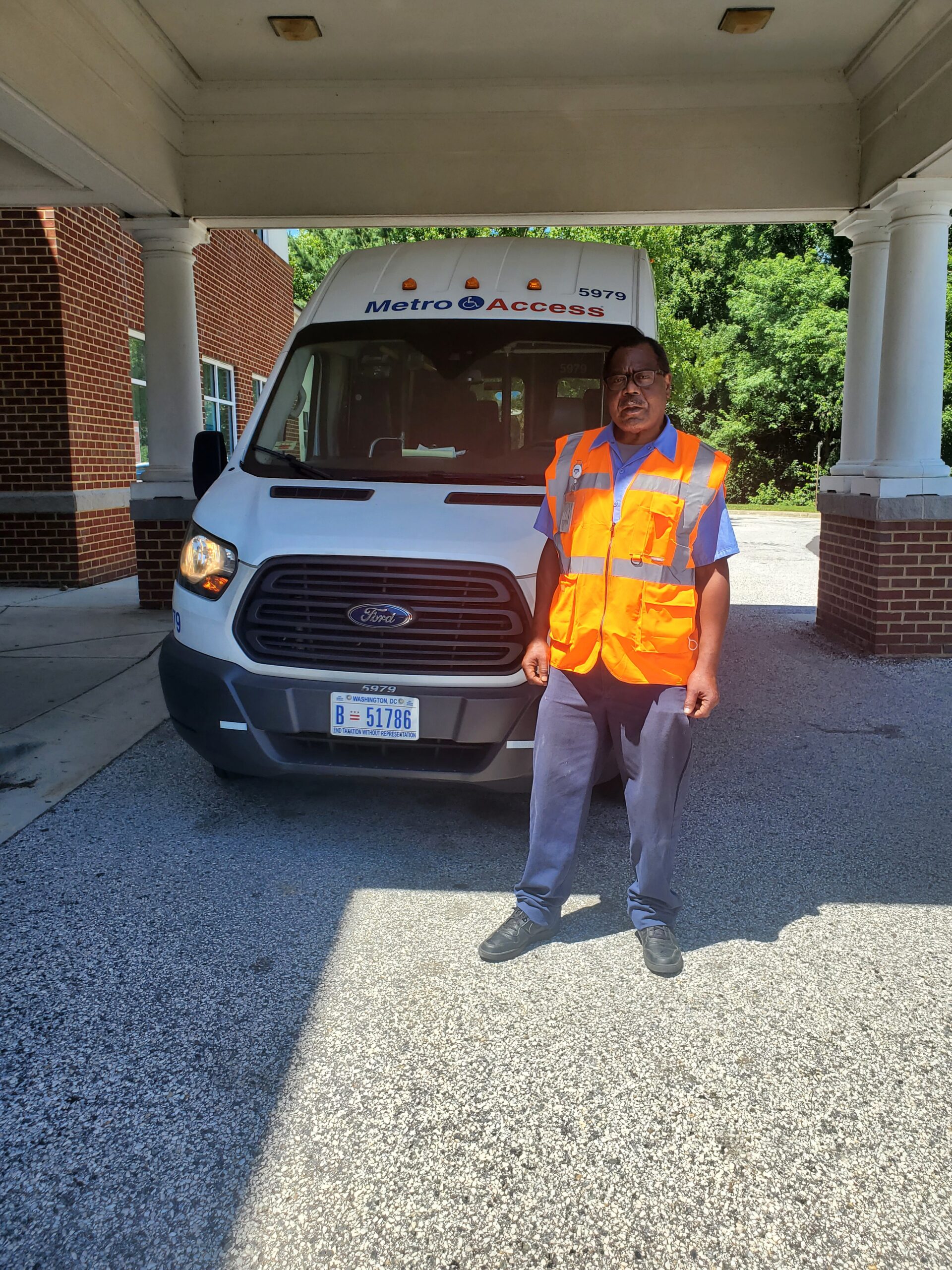
Driven by Justice: Thomas McLamb did not let ATU union agents get away with upending his career just because he opposed their agenda. The union is now facing prosecution for its abuses.
WASHINGTON, DC – Transdev bus driver Thomas McLamb thought that Amalgamated Transit Union (ATU) union bosses at his workplace were mishandling finances and not serving the workers’ interests. In 2015, he led a campaign to vote the union out, and in October 2021 he ran for union office in the hopes of unseating officials he found ineffective.
In response, union agents kicked off a vicious retaliation campaign to punish McLamb for peacefully resisting ATU union bosses’ agenda. This included a union steward physically assaulting McLamb and another union official arranging McLamb’s illegal firing.
McLamb sought out free legal assistance from the National Right to Work Foundation and hit ATU union officials with federal charges for illegal retaliation. He also charged Transdev for the company’s role in his firing. McLamb’s opposition to the ATU union is activity protected by the National Labor Relations Act (NLRA), which guarantees workers’ right to “refrain from any or all of ” union activities. McLamb’s charges say that ATU and Transdev officials illegally violated his rights under the NLRA.
Following an investigation, the National Labor Relations Board (NLRB) issued a formal complaint against the ATU union, confirming all McLamb’s charges and scheduling a trial against ATU for its campaign of illegal retaliation. As this edition of Foundation Action went to press, a trial over the union’s misconduct had concluded. McLamb is now awaiting a decision from an NLRB Administrative Law Judge (ALJ).
Union President Encouraged Followers to Assault Dissident Workers
In a statement filed in November 2021, McLamb said that the ATU Local 689 president, Raymond Jackson, had told other union officers to “slap” employees who were opposing his agenda. Shortly after, McLamb’s statement reported, a union shop steward assaulted him. Both incidents occurred while McLamb was campaigning against the incumbent officers to serve on Local 689’s board.
The NLRB’s complaint and notice of hearing in the case echoed McLamb’s charge. It stated that “[o]n November 11, 2021 . . . [union steward] Tiyaka Boone, at the Employer’s Hubbard Road facility, in the presence of employees, physically assaulted the Charging Party.”
McLamb reported in another federal charge that, shortly after this incident, ATU official Alma Williams demanded that Transdev management fire him. The NLRB’s complaint confirms this accusation: “On November 11, 2021, Respondent, by Alma Williams, at the Employer’s Hubbard Road facility, requested that the Employer discharge the Charging Party.”
On November 16, Transdev gave McLamb a letter stating that he had been placed on “Administrative Leave without pay” pending the outcome of an investigation.
For its part, Transdev backed down and settled immediately, reinstating McLamb and paying him full back wages for the period of his suspension. The ATU union, however, remains defiant.
“The union should not be run as the personal fiefdom of union bosses who do everything they can to insulate themselves from accountability, yet that’s how ATU officials have treated it, complete with threats and violence against me for calling out union officials’ shortcomings,” McLamb told The Washington Free Beacon shortly after a trial was scheduled in his case.
Case Highlights Need for Right to Work Protections
“No American employee should have to go to work thinking that they could be fired, mugged, or slandered merely for exercising their right to oppose union officials. The NLRB’s issuance of a complaint against the ATU in Mr. McLamb’s case is a small but significant step toward justice,” commented National Right to Work Foundation Vice President Patrick Semmens. “However, due to Maryland’s lack of Right to Work protections for its private sector employees, Mr. McLamb is still required to sacrifice part of every paycheck to the same union hierarchy that is now facing prosecution for instigating violence against him.”
“Although we’re happy that the scales are finally tipping in Mr. McLamb’s favor, it’s unfortunately the reality in the 23 non-Right to Work states that workers are forced to pay fees to union hierarchies that act against their interests, sometimes even violently so.”
Forced Dues For Politics: CWA Union Hit with Federal Charge by Pennsylvania Metal Worker
The following article is from the National Right to Work Legal Defense Foundation’s bi-monthly Foundation Action Newsletter, July/August 2022 edition. To view other editions of Foundation Action or to sign up for a free subscription, click here.
CWA officials defied decades of law by rejecting worker’s resignation
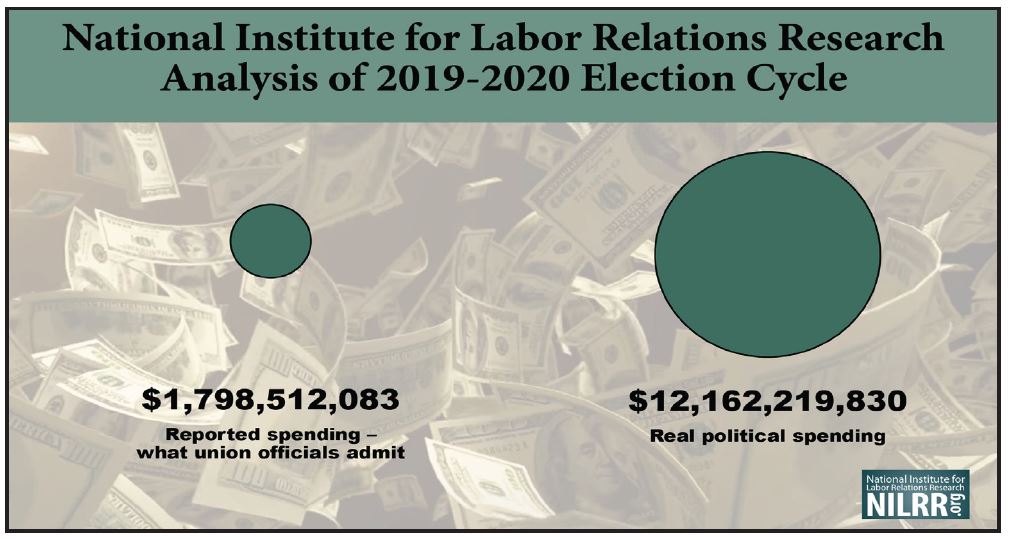
Coates’ case challenging illegal seizure of forced dues for politics comes after one analysis found that union officials likely spent over $12 billion on political activities during the 2019-2020 election cycle, far more than union officials publicly admit.
GALETON, PA – An employee of metal corporation Catalus hit a Communications Workers of America (CWA) union local this May with federal charges for illegally seizing full union dues from his paycheck, including dues for politics. Curtis Coates, a metal worker for Catalus, is receiving free legal aid from the National Right to Work Legal Defense Foundation.
Foundation attorneys filed Mr. Coates’ charges with National Labor Relations Board (NLRB) Region 6 in Pittsburgh, Pennsylvania. The Region is now investigating the charges.
CWA Union Officials Continue to Collect Dues from Worker, Despite Lack of Authorization
On October 20, 2021, Mr. Coates sent a message to CWA union officials declaring that he was resigning from his position as shop steward and terminating his union membership.
Because no union monopoly contract was in effect, under longstanding law, Coates should have been able to immediately cut all financial support for the CWA union which he no longer supports. The charges say a union official rebuffed both of Mr. Coates’ requests the next day, insisting that he had to remain both a union member and a shop steward.
From December 2021 to February 2022, Mr. Coates followed up with union officials several times via email and mail. He repeatedly asked when union officials would cease taking dues money from his paychecks and what process he had to follow to revoke his dues deduction authorization to stop money from being seized from his paychecks.
“To date, the Union has not responded . . . and dues and contributions continue to be deducted from his wages,” the charge reads. Because Pennsylvania currently lacks a Right to Work law, union officials can legally force employees to pay some union fees just to keep their jobs. However, those forced fees cannot be demanded when no union contract is in effect.
Further, even in states without Right to Work protections full union membership cannot be required. Additionally, under the U.S. Supreme Court’s decision in CWA v. Beck (1988), won by Foundation attorneys, forced fees are limited to only the part of union dues that union officials claim goes toward a union’s core “representational” functions and cannot be collected for other activities like union politics and lobbying.
Conflict of Interest: NLRB General Counsel is a Former CWA Union Official
Currently, the NLRB General Counsel is former CWA attorney Jennifer Abruzzo, who has expressed support for a number of policies which give union officials greater power to force workers into dues-paying union ranks, even without a vote. Foundation attorneys requested last year that Abruzzo recuse herself from a case involving an Oregon ABC cameraman who accused another CWA local of demanding illegal dues from him, including dues for politics.
Coates’ case represents another potential conflict of interest for Abruzzo, who has repeatedly sided with union officials against the rights of workers opposed to union affiliation.
“Mr. Coates’ right to refrain from funding union activities is being ignored by CWA union officials as they continue to unlawfully seize full union dues, which includes money used for union political activities,” commented National Right to Work Foundation Vice President Patrick Semmens. “This case shows why Pennsylvania workers need the protection of a Right to Work law to make all union payments strictly voluntary: So union bosses cannot so brazenly collect money to which they are not entitled under longstanding federal law.”
“Further, Mr. Coates’ case demonstrates the obvious conflict of interest that exists as Abruzzo, a former CWA lawyer, is charged with enforcing workers’ rights violated by her former CWA union colleagues,” Semmens added.
Indiana US Brick Employees Target ‘Successor Bar’ for Demolition
Over 70 percent of workers want Teamsters gone, but non-statutory policy prevents vote

Though Kerry Atkins and roughly 70 percent of his coworkers want to kick Teamsters bosses from their facility, the “successor bar” and other non-statutory “bars” could block a vote for years.
INDIANAPOLIS, IN – National Right to Work Foundation staff attorneys have made big strides in recent years for independent-minded workers who want to exercise their right to vote unpopular unions out of their workplaces.
The National Labor Relations Board’s (NLRB) adoption in 2020 of Foundation-backed reforms to the decertification process have made it significantly less difficult for workers to exercise their rights. But, there’s much more work to be done to eliminate contrived, union boss-friendly NLRB policies that stifle worker rights just so unwanted unions can stay entrenched.
Enter Kerry Atkins and his coworkers at US Brick in Mooresville, Indiana. With free Foundation legal aid they are fighting an NLRB policy called the “successor bar” that arbitrarily blocks employees’ right to vote out an unwanted union when management changes hands in a workplace.
Atkins filed a petition signed by his colleagues in December 2021, asking the NLRB to hold a vote on whether to decertify Teamsters Local 135 union officials. NLRB Regional Director Patricia Nachand ruled on February 9 that US Brick’s recent acquisition of the plant triggered the so-called “successor bar” and rendered the employee petition invalid.
NLRB-Invented Policy Traps Workers in Union They Strongly Oppose
Nachand blocked the vote even though, according to her own order, plant management has in its possession a parallel petition expressing disaffection with the Teamsters, which bears the signatures of about 70 percent of the employees.
The “successor bar” is a non-statutory policy invented by NLRB appointees that immunizes union officials from being voted out by employees for up to a year after management changes as a result of a sale, merger, or acquisition.
The National Labor Relations Act (NLRA), the federal law the NLRB is charged with enforcing, explicitly states that employees have a right to remove union monopoly “representation” they oppose. The “successor bar,” however, is found nowhere in the NLRA’s text.
The only “bar” to employees requesting a decertification election that is mentioned in the NLRA is a one-year restriction after employees certify a union in a secret-ballot vote. That the “successor bar” — which isn’t even in the NLRA — can stave off attempts to vote out a union for up to four years when combined with a “contract bar” makes it especially offensive to workers’ rights.
To make matters even worse, two different federal agencies — the NLRB and the Department of Justice — effectively worked together to impose the “successor bar” on Atkins and his coworkers. The Department of Justice in an antitrust complaint forced the former owner of the Mooresville brick facility to sell it to US Brick. The NLRB now says that event should be grounds for blocking the employees from ejecting a union they overwhelmingly oppose.
‘Successor Bar’ Disregards Desires and Experiences of Workers, Brief Says
Atkins’ Foundation attorneys have filed a Request for Review of Nachand’s order with the NLRB in Washington, D.C. It contends that the “successor bar” serves no purpose other than to block the will of rank-and-file employees, entrenching union bosses who ought to be accountable to the employees.
“The successor bar undermines the NLRA’s core purpose of employee free choice by disregarding employees’ actual desires and past experiences with their union representative,” the Request for Review argues.
Restriction Shows How NLRB-Invented Policies Stifle Individual Rights
“The NLRB-invented ‘successor bar’ is just one example of how the Board neglects its mandate to protect the rights of individual workers, including those opposed to forced union affiliation, just to protect union boss power,” observed National Right to Work Foundation Vice President Patrick Semmens. “The ‘successor bar’ not only overrides the statutory right of workers to vote out unions they oppose, but does so at the very moment when workers are most likely to reevaluate their union status: the turnover of the old management that perhaps was the reason for unionization in the first place.”
Union Bosses Caught Red-Handed Illegally Taking Dues from Charter School Teacher
California union officials backed off anti-Janus deductions after Foundation action
Foundation staff attorney Bill Messenger successfully argued Janus at the Supreme Court. But enforcing the landmark First Amendment victory is an ongoing battle.
LOS ANGELES, CA – A former teacher at Camino Nuevo Charter Academy in Los Angeles, California, is getting a refund of illegally seized union dues with free legal aid from the National Right to Work Legal Defense Foundation. The refund came after Foundation staff attorneys sent a letter to officials with the Camino Nuevo Teachers Association, an affiliate of California Teachers Association, threatening legal action for violating the teacher’s First Amendment rights.
Natalie Bahl, who was a teacher at Camino Nuevo Charter Academy up until recently, attempted to exercise her right as a public employee not to pay any union fees. Ms. Bahl notified the union of her decision in a mass email to several union officials, which reportedly also prompted other teachers to make similar requests. Her email was sent before the union-designated “window period” closed for teachers to revoke their authorization for deducting union dues.
Despite the timely request, Ms. Bahl realized a few months later that union dues were still being deducted from her paycheck. When she asked union officials about it, they suddenly claimed she missed her window period for dues revocation.
At that point, Ms. Bahl reached out to National Right to Work Legal Defense Foundation staff attorneys, who sent a letter demanding a refund of union dues collected in violation of Bahl’s First Amendment rights. Rather than face a potential federal civil rights lawsuit, CNTA union officials refunded all dues taken from Bahl from the time of her request until she left the school’s employment to further pursue her own education.
Union Officials Refuse to Learn Their Janus Lesson
In the Foundation-argued Janus v. AFSCME U.S. Supreme Court case, the Court recognized that forcing public sector workers to pay union dues or fees as a condition of employment violates the First Amendment. The Justices also ruled that public employees must opt in with affirmative consent to any union payments before money can be taken from their paychecks.
Since winning the 2018 Janus Supreme Court decision, Foundation staff attorneys have scored victories across the country for public employees seeking to enforce their First Amendment rights under the Janus decision. For example, Foundation staff attorneys recently successfully defended a public school teacher in Harford County, Maryland, from whom union bosses illegally seized dues for months despite two letters to the local AFSCME affiliate exercising her right to resign union membership and end all dues deductions from her pay.
“Teachers and other public sector workers have Janus rights under the First Amendment and should immediately contact the Foundation for free legal assistance if they believe their rights have been violated,” said National Right to Work Foundation Vice President Patrick Semmens. “Unfortunately we continue to see that even when public employees comply with arbitrary union-created policies designed to stifle their First Amendment rights, union officials still brazenly ignore Janus in order to fill their coffers with union dues seized from employees.
NYC Car Wash Workers Kick Out Unwanted RWDSU Union Officials
The following article is from the National Right to Work Legal Defense Foundation’s bi-monthly Foundation Action Newsletter, January/February 2022 edition. To view other editions of Foundation Action or to sign up for a free subscription, click here.
Union bosses rejected by Alabama Amazon workers now ousted by car wash employees
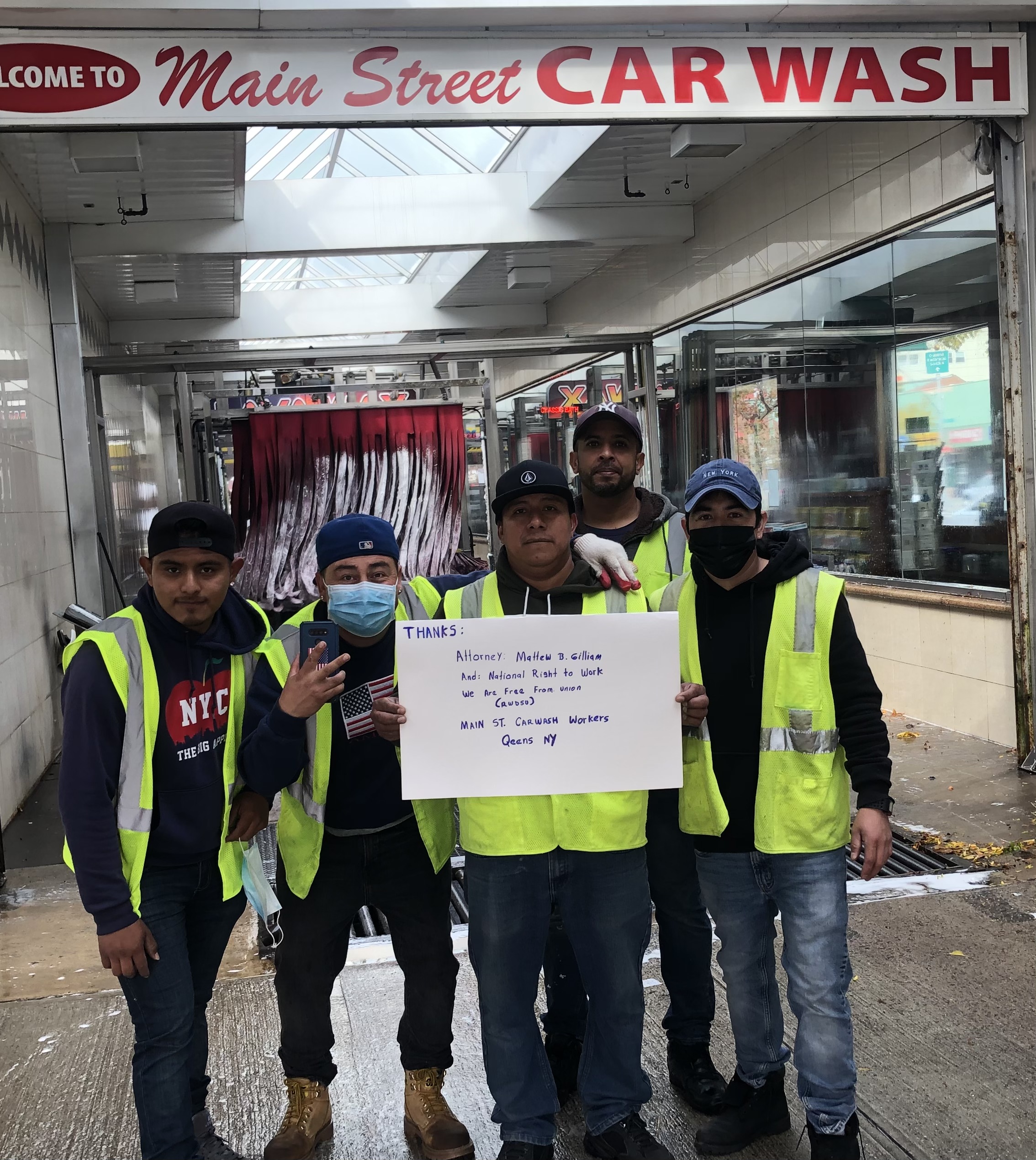
Main Street Car Wash worker Ervin Par (center) and his colleagues in NYC thank their National Right to Work Foundation attorney for helping them secure a vote to remove unwanted RWDSU union bosses from their workplace.
NEW YORK, NY – In 2018, Ervin Par, an employee of Main Street Car Wash in Queens, NY, explained why he and his coworkers overwhelmingly wanted Retail, Wholesale, and Department Store Union (RWDSU) officials out of their workplace: “They just come and collect their fees, but I don’t see an economic benefit from the union.”
“Among my colleagues, there’s a majority that doesn’t want the union,” Par told Reason magazine in an interview at the time. Now, after a three-year effort to vote out RWDSU officials, Par and his coworkers have finally succeeded with free legal aid from National Right to Work Foundation staff attorneys.
Soon after Par submitted an October petition signed by enough of his coworkers to prompt the National Labor Relations Board (NLRB) to conduct an employee vote whether to eject the union, RWDSU officials filed paperwork ending their control over the facility. Notably, RWDSU union officials fled Main Street Car Wash before the NLRB had conducted the union decertification election for Par and his coworkers — likely in an attempt to avoid an embarrassing, overwhelming rejection in the vote.
Car Wash Employees Endured Years of Forced Dues, Union “Blocking Charges”
Par also rallied his coworkers in 2018 to oust the union, but their valid petition for a decertification election was thwarted by “blocking charges” from RWDSU officials. Because Par and his colleagues work in non-Right to Work New York, the delays meant that they were forced to pay dues to an unpopular union for almost three more years just to keep their jobs. In contrast, in Right to Work states all union financial support is strictly voluntary.
Par and his coworkers’ desire for freedom from union control is not uncommon. According to reports, in 2018 Main Street Car Wash was one of only six car washes in New York City still under union monopoly control, a number that had been declining following other union departures due to lack of employee support.
RWDSU Bosses Oppose Will of Rank-and-File Workers Across Country
The RWDSU is notably the same union that Bessemer, AL, Amazon employees rejected decisively during a highly publicized April 2021 union election. Despite that election loss, RWDSU officials are still trying to install themselves at the Bessemer facility. Litigation continues over whether RWDSU lawyers will nullify the workers’ vote in which barely 12% of eligible voters supported union bosses’ monopoly “representation.”
Atlanta, GA-area employees of water treatment company Ecolab have also recently received free Foundation legal assistance in their attempt to remove RWDSU officials.
“Mr. Par and his coworkers persevered for almost three years to end RWDSU union officials’ grip on power in their workplace,” commented National Right to Work Foundation Vice President Patrick Semmens. “Although we’re glad the employees have finally been able to exercise their right to remove RWDSU, union officials should not have been able to manipulate the rules to stifle the decertification effort for so long.”
“RWDSU union officials have a penchant for challenging the will of the very employees they claim to ‘represent.’” Semmens added. “Workers across the country who seek to remove unwanted RWDSU presence in their workplace should contact the Foundation for free legal aid in exercising their rights.”





