
Ontario Trucking Employee Who Revealed Union Boss Salaries Hits Teamsters Union with Federal Charge After Job Threats
Worker on Teamsters officials’ threats: “We will not be deterred by their bullying tactics and baseless accusations against myself and others.”
Ontario, CA (February 6, 2024) – John Cwiek, an employee of Los Angeles-based transportation company Dependable Highway Express, has just hit the Teamsters Local 63 union with federal charges. Cwiek maintains that Teamsters union officials retaliated against him for revealing truthful but unfavorable information about the union to his coworkers. He is receiving free legal representation from National Right to Work Legal Defense Foundation staff attorneys.
Cwiek sent letters to his coworkers in January containing details about union boss salaries – information Cwiek pulled from Teamsters LM-2 filings. LM-2s are public documents filed by unions and maintained for public access by the U.S. Department of Labor. In retaliation for Cwiek sending the letters, a union official appeared at Cwiek’s workplace the next day, made accusations against him, and threatened that Cwiek wouldn’t be working at Dependable Highway Express by the next contract period.
The federal statute that governs private sector labor relations, the National Labor Relations Act (NLRA), protects both employee speech critical of unions and union officials and protects employees’ right to refrain from any or all union activities if they so choose.
“[Teamsters Local 63] violated Section 8(b)(1)(A) of the Act when its agents appeared at the worksite, interrogated Charging Party regarding his protected activities, and threatened Charging Party’s employment and by making false and defamatory accusations against him in retaliation for engaging in protected activities,” reads Cwiek’s charge.
“I am deeply troubled by the blatant retaliatory actions taken by officials at Teamsters Local 63 in response to expressing the views of myself and several other hard-working drivers at Dependable Highway Express,” Cwiek commented. “We will not be deterred by their bullying tactics and the baseless accusations they levy against myself and others. I hope that the actions of the officials from Teamsters Local 63 serve as a clear example to my colleagues that the union cannot dispute the facts of their incompetence in representing us, so they must resort to intimidation and slanderous accusations. We will remain steadfast in our pursuit of a better future for ourselves and our families.”
Ontario Trucking Employee’s Charges Latest in String of Challenges to Teamster Power in SoCal
National Right to Work Foundation staff attorneys have recently aided other trucking industry employees in Southern California oppose unwanted Teamsters union influence. In October 2021, XPO Logistics employee Ozvaldo Gutierrez and his coworkers forced Teamsters Local 63 officials out of a Fashion District-area XPO facility. Teamsters Local 848 union officials were similarly ousted by Angel Herrera and his colleagues at an Airgas facility in Ventura, CA, in September 2021. In both cases, union officials departed the workplaces before employees had an opportunity to vote them out through the NLRB’s “decertification election” process – likely to avoid embarrassing election results.
Long Beach-area Savage Services employee Nelson Medina also won a Foundation-backed settlement in February 2022 ordering Teamsters Local 848 union officials to pay back thousands of dollars in illegal dues they seized from about 60 of his coworkers who objected to union membership and to funding the union’s political activity.
“Trucking workers across Southern California continue to express displeasure with union officials’ combative and illegal behavior, which makes it all the more unfortunate that California private sector workers aren’t covered by a Right to Work law,” commented National Right to Work Foundation President Mark Mix. “In non-Right to Work California, union bosses can enforce contracts that force workers to pay dues or fees as a condition of keeping their jobs, meaning workers like Mr. Cwiek can be forced to fund the same union hierarchy that violates their rights.”
“While Foundation staff attorneys will fight to defend Mr. Cwiek’s rights under federal labor law, all American workers should have the Right to Work freedom to decide for themselves whether union bosses have earned their financial support,” Mix added.
Warehouse Workers and Drivers at Keurig Dr. Pepper Facilities Across Wisconsin Vote Out Teamsters Union
Unit of over 70 employees from Keurig Dr. Pepper locations in Eau Claire, Oshkosh, and Tomah will now be free from unwanted union “representation”
Wisconsin (January 30, 2024) – Workers from Keurig Dr. Pepper facilities across the Badger State have exercised their right to remove unwanted Teamsters Local 200 union officials from power at their workplaces. The ouster follows the National Labor Relations Board’s (NLRB) January 26 certification of an election in which nearly 60% of participating drivers and warehouse workers from facilities in Oshkosh, Eau Claire, and Tomah voted to end the union’s bargaining power.
Oshkosh-based Keurig Dr. Pepper driver Ray Cotts spearheaded the effort to remove the union by submitting a union decertification petition to the NLRB in November 2023 with free legal aid from the National Right to Work Legal Defense Foundation. His petition contained more than enough employee signatures to trigger a union decertification vote under NLRB rules. The NLRB held the election beginning December 22, 2023, and counted ballots on January 16.
Wisconsin is a Right to Work state, meaning union officials cannot impose contracts that force workers to pay union dues just to get or keep a job. However, even in Right to Work states, union officials in a unionized workplace are empowered by federal law to impose a union contract on all employees in a work unit, including those who oppose the union. A successful decertification vote strips union officials of that power.
Employees Across U.S. Seeking Freedom from Union Control
Across the country, workers are increasingly attempting to exercise their right to vote out union officials they disapprove of. According to NLRB data, since 2020 decertification petitions filings have gone up by over 40 percent. Despite this trend, the Biden NLRB is attempting to make it substantially more difficult for workers to decertify unions, and could soon issue a final rule invalidating the Election Protection Rule, a policy which contains multiple important safeguards regarding employees’ right to decertify unions they oppose.
The Biden NLRB’s proposed rule, among other things, will give union bosses the power to use “blocking charges,” or unproven allegations of employer misconduct, to prevent workers from voting to decertify a union. The proposed rule will also strip workers of the ability to file for a secret ballot election after a union installs itself via “card check,” a coercive process that bypasses the NLRB’s standard election process and instead permits union bosses to collect cards from workers (often through strong-arm tactics) that are counted as “votes” for the union.
“We are proud to help Mr. Cotts, his coworkers, and a growing number of employees around the country exercise their right to vote out union officials that don’t serve their interests,” commented National Right to Work Foundation President Mark Mix. “It’s concerning, however, to see the Biden NLRB marching forward its scheme to grant union officials more power to trap workers under union control, while cutting back on employees’ rights to resist union influence.”
“The 23 flavors in Dr. Pepper may always be a mystery, but the Biden NLRB’s forced-unionism agenda is clear for everyone to see. At every turn this Board has sought to rewrite the law to give the Administration’s union political allies more coercive power while limiting the rights of independent-minded workers opposed to union affiliation,” Mix added.
National Right to Work Foundation Issues Legal Notice to Yellow Trucking Employees as Teamsters Officials Threaten Strike
Are Top Teamster Bosses throwing Yellow drivers under the bus as part of their posturing for UPS strike threat?
Washington, DC (July 21, 2023) – Today, the National Right to Work Legal Defense Foundation issued a special legal notice to employees of trucking company Yellow in light of news reports indicating that Teamsters union officials have issued a strike notice. The Foundation’s legal notice is available at the Foundation’s website here: www.nrtw.org/Yellow.
The Foundation is the nation’s premier organization dedicated to defending workers’ legal rights from forced unionism abuses. Rank-and-file workers who are interested in continuing to work and providing for their families during a strike often contact the Foundation for free legal aid to avoid strike discipline, or to resist intimidation often perpetrated by union officials.
The notice alerts workers that a strike could commence as soon Monday, July 24, and reminds workers that they should “learn about [their] legal rights from independent sources.”
“You should not rely on what self-interested union officials tell you,” the notice reads.
Employees Have Right to Rebuff Union Strike Orders
The legal notice informs Yellow workers who want to work during a strike that they should submit resignations prior to returning to work, because doing so is the best way to avoid vindictive union fines and often union discipline. “Your resignation letter must be postmarked the day before you return to work, or hand-delivered before you actually return to work,” the notice reads. Sample union membership resignation letters are available on the Foundation’s website.
The notice also informs employees of their other rights to disaffiliate from the Teamsters union, including how to stop funding unwanted union activities.
“If you work in a state with Right to Work protections, you have a right to cut off all payments of dues and fees to the union if you don’t support its activities,” the notice reads. “If you do not work in a state with Right to Work protections, you at least have a right to opt-out of dues payments for union politics, and may be able to avoid other union financial support.”
Foundation Attorneys Have Won Many Cases for Workers Against Illegal Strike Coercion
The Foundation frequently provides free legal assistance to workers who want to exercise their right to work during a union boss-ordered strike. During the United Food and Commercial Workers (UFCW) union’s strike against supermarket chain King Soopers in 2022, Foundation-assisted workers successfully forced union officials to back off of thousands of dollars in illegal strike fine demands.
Foundation staff attorneys also made headlines across the country in 2001, when they won a monetary settlement for UPS employee and former Dallas Cowboys linebacker Rod Carter, a victim of union violence during the 1997 Teamsters union officials’ nationwide strike against UPS.
“Many Yellow employees are likely questioning whether the hardline stance of Teamsters President Sean O’Brien and other Teamsters bosses is really in Yellow employees’ best interest,” commented National Right to Work Legal Defense Foundation President Mark Mix. “As O’Brien himself has acknowledged on social media, a strike could result in Yellow folding and a loss of work for 22,000 truckers – workers that Teamsters chiefs claim to ‘represent.’”
“More likely than not, O’Brien and the bosses atop the Teamsters union are playing such games with Yellow workers’ livelihoods in order to maintain a façade of strength for upcoming contract talks with UPS management,” Mix continued. “Yellow truckers who oppose such gamesmanship and would prefer to continue to do their jobs in defiance of Teamsters bosses’ orders should read the Foundation’s legal notice for a full explanation of their rights, and are welcome to seek free Foundation legal aid if they encounter any obstacles to exercising their right to work.”
National Right to Work Foundation Issues Legal Notice to UPS Employees as Nationwide Strike Looms
Notice provides important information to those who want to work during the strike
Washington, DC (July 10, 2023) – Today, the National Right to Work Legal Defense Foundation issued a special legal notice to employees of UPS in light of news reports indicating that Teamsters union officials are on the brink of issuing a nationwide strike order against the shipping giant. The legal notice is available at the Foundation’s website here: www.nrtw.org/UPS.
The Foundation is the nation’s premier organization dedicated to defending workers’ legal rights from forced unionism abuses. Rank-and-file workers who are interested in continuing to work and providing for their families during a strike often contact the Foundation for free legal aid to avoid strike discipline, or to resist intimidation often perpetrated by union officials.
“The Foundation wants you to learn about your legal rights from independent sources,” the notice reminds UPS workers. “You should not rely on what self-interested union officials tell you.”
Employees Have Right to Rebuff Union Strike Orders
The legal notice informs UPS workers who want to work during a strike that they should submit resignations prior to returning to work, because doing so is the best way to avoid union fines and vindictive union discipline. “Your resignation letter must be postmarked THE DAY BEFORE you return to work, or hand delivered BEFORE you actually return to work,” the notice reads. Sample union membership resignation letters are available on the Foundation’s website.
The notice also informs employees of other actions they can take to disaffiliate from the Teamsters union, including how to stop funding unwanted union activities.
“If you work in a state with Right to Work protections, you have a right to cut off all payments of dues and fees to the union if you don’t support its activities,” the notice reads. “If you do not work in a state with Right to Work protections, you at least have a right to opt-out of dues payments for union politics, and may be able to avoid other union financial support.”
Foundation Attorneys Have Won Many Cases for Workers Challenging Teamsters Coercion
The Foundation frequently provides free legal assistance to workers who are victims of coercion and even violence from Teamsters militants. Foundation staff attorneys made headlines across the country in 2001, when they won a monetary settlement for UPS employee and former Dallas Cowboys linebacker Rod Carter, a victim of union violence during the 1997 Teamsters union officials’ nationwide strike against UPS.
More recently, Foundation attorneys have aided several groups of workers in voting Teamsters officials out of power at their workplaces. Since 2021, Foundation attorneys have assisted at least five groups of XPO Logistics employees in decertifying unwanted Teamsters unions, including in Miami, FL, where truck drivers voted out the union despite Teamsters officials’ claims that the union’s contract at the Miami facility was a breakthrough.
Also in recent years, Foundation staff attorneys have won a series of victories for UPS workers challenging Teamsters union officials’ attempts to coerce workers into union membership or full dues payments. In one case brought by Foundation attorneys, the National Labor Relations Board ruled Teamsters officials “repeatedly and deliberately” engaged in illegal coercion against UPS workers, and ordered notification of thousands of workers affected by the Teamsters officials’ violations of federal law.
“UPS employees across the country will undoubtedly have very reasonable concerns about whether Teamsters officials’ sweeping strike order is really in workers’ best interests,” commented National Right to Work Legal Defense Foundation President Mark Mix.
“The fact is Teamsters bosses have a long history of pursuing their own agenda and what advances their interests with respect to internal union politics at all costs, even if it means tossing aside the well-being of the workers they claim to ‘represent,’” Mix continued. “Fortunately, UPS workers seeking to exercise their right to work despite Teamsters bosses’ strike order can turn to the National Right to Work Legal Defense Foundation for free legal assistance.”
“National Right to Work Foundation staff attorneys have a well-established track record of winning cases on behalf of workers, especially UPS workers, against Teamsters union bosses’ illegal tactics,” added Mix.
Majority of Miami XPO Logistics Employees Vote to Oust Teamsters Union
Miami employees’ union decertification vote follows several other recent votes by XPO Logistics employees across country to remove Teamsters union officials
Miami, FL (June 27, 2023) – Martin Garcia and his coworkers at XPO Logistics’ Hialeah, FL, location have voted to remove Teamsters Local 769 union officials from their workplace. Garcia and his colleagues received free legal assistance in their effort from National Right to Work Legal Defense Foundation staff attorneys.
Garcia filed a union decertification petition at National Labor Relations Board (NLRB) Region 12 on May 19, which contained the signatures of enough of his colleagues to prompt the NLRB to hold a union decertification vote. The NLRB held the vote among Garcia and his colleagues on June 21, in which a majority voted to end Teamsters officials’ monopoly bargaining control over the facility.
Workers often turn to the National Right to Work Foundation for free legal aid in exercising their right to vote out an unpopular union because the NLRB’s process for doing so is convoluted and prone to union boss gamesmanship. Because Garcia and his colleagues work in the Right to Work state of Florida, they had the freedom to refuse to pay dues or fees to the Teamsters union while it was imposing its one-size-fits-all “representation” over all workers. In non-Right to Work states, in contrast, workers can be forced to pay dues or fees to a union they oppose as a condition of getting or keeping a job, and a decertification vote is the only way to end both forced dues and union monopoly representation.
“Teamsters officials didn’t listen to us and didn’t represent our interests in the workplace,” Garcia said. “My coworkers and I decided that the best way forward was to vote them out, and we’re glad we could get legal aid from the National Right to Work Foundation in exercising our rights.”
XPO Logistics Workers Increasingly Seek to Escape Union Ranks with Foundation Aid
Garcia’s effort is just the most recent in a string of successful Foundation-backed union decertification efforts by XPO Logistics employees against Teamsters union officials. Recent victories include Teamsters decertifications in Cinnaminson, NJ, Los Angeles, CA, Albany, NY, and other XPO Logistics locations.
Most recently, Albany-based XPO Logistics truck driver William Chard submitted a union decertification petition backed by his coworkers in December 2022, seeking a vote to remove Teamsters Local 294 union officials. As opposed to sticking around and witnessing what would have likely been an embarrassing election loss, Local 294 officials filed paperwork ending their control over Chard and his coworkers just days after the petition’s filing.
Similarly, in October 2021, Teamsters Local 87 union officials avoided facing rejection from Juan Rivera and his coworkers at a Bakersfield, CA, XPO Logistics facility by disclaiming interest in the work unit shortly after Rivera filed a decertification petition. Because both Chard and Rivera hail from the non-Right to Work states of New York and California, decertification was the only way workers could remove both unwanted union “representation” and end union officials’ forced-dues demands.
“Teamsters officials have a well-earned reputation for seeking power, money, and political clout over looking out for employee interests, so it’s unsurprising to see so many workers seeking to exercise their rights to vote them out,” commented National Right to Work Foundation President Mark Mix. “But this trend goes even beyond the Teamsters, as employee attempts to decertify unions are spiking across the country.”
“Unfortunately, even as employees increasingly realize that their interests diverge from union boss agendas, Big Labor allies in the Biden Administration are seeking to make it harder than ever for workers to exercise their right to oust an unpopular union,” Mix added. “Foundation attorneys will continue to aid American workers in defending their individual rights, and will oppose attempts by Big Labor to rig the legal landscape against workers.”
Foundation Issues Statement on Glacier Northwest SCOTUS Decision
The Supreme Court of the United States has just ruled that union bosses who orchestrate property damage as part of a strike order aren’t immune to liability in state court.
In Glacier Northwest v. International Brotherhood of Teamsters Local 174, an 8-1 SCOTUS majority rejected Teamsters officials’ argument that the National Labor Relations Act (NLRA) prevented Glacier Northwest, a Washington State-based concrete company, from suing the union in state court for ordering cement truck drivers to abandon their trucks and leave copious amounts of cement spoiled and completely unusable.
National Right to Work Foundation President Mark Mix issued the following statement on the ruling:
The Supreme Court correctly ruled that union officials should not be granted immunity from state lawsuits over deliberate property damage perpetrated during union strike actions. The issue in Glacier Northwest, however, represents only the tip of the iceberg when it comes to union bosses’ special legal privileges – especially concerning the powers union officials have over rank-and-file workers.
As the Foundation noted in its amicus brief in the case, beyond the issue of deliberate property damage, union officials have vast special powers and immunities that no other private entity or individual enjoys. This long list includes not only forcing workers under union ‘representation’ they oppose and then extorting workers to pay union fees or else be fired, but also a court-created exemption from federal prosecution for extortionate violence if it is pursued for so-called ‘legitimate union objectives.’
Ultimately, this case shows how far courts and lawmakers have to go in order to level the playing field and stop allowing union bosses to play by a different set of rules from those that apply to all other citizens and private entities.
The Foundation’s amicus brief in Glacier Northwest can be viewed here. Mark also penned an op-ed for Fox News explaining the breadth and depth of union boss legal privileges.
Seneca Foods Employees Send Teamsters Union Officials Packing
Wisconsin food processing workers oust Teamsters Local 695 after a majority of employees vote to remove the union
Oakfield, WI (April 3, 2023) – Seneca Foods employees in Oakfield, Wisconsin, have overwhelmingly voted to free themselves from the unwanted so-called “representation” of Teamsters Local 695. Andrew Collien, a warehouse employee at Seneca Foods, kick-started the decertification process that led to the workers’ vote to remove the union. Collien received free legal aid from the National Right to Work Legal Defense Foundation.
Collien and his coworkers filed the petition for a decertification vote with the National Labor Relations Board (NLRB) in late February. In the petition, Seneca Foods workers formally requested a vote to determine whether or not the union should be removed.
On March 30, the NLRB regional office conducted a secret ballot election at the plant, resulting in a 17-10 vote to remove the union. Union officials have seven days to file objections to seek to overturn the workers’ vote. Otherwise, the results will become final.
Teamsters Local 695, which also controls the company’s truck drivers, maintenance, processing, and janitorial employees, originally had a five-year union contract with Seneca Foods, running until May 2025. With the results of the workers’ decertification election, however, the Teamsters’ contract was terminated two years early, sparing workers from the remainder of the agreement.
The Seneca Foods employees were fortunate to cast their votes just more than one month after filing their petition. However, this is not always the case for many workers around the nation who seek to remove unions they oppose.
A major issue workers face in decertifying unpopular unions is how prone the NLRB’s decertification process is to union boss-created roadblocks. These roadblocks can include often-baseless “blocking charges” brought by union officials against employers with the intention of delaying or even blocking employee-led decertification elections entirely.
Right to Work Foundation-backed “Election Protection Rule” reforms the NLRB issued in 2020 have helped make it somewhat easier for workers to remove unwanted union officials by limiting some of the ways union lawyers manipulate blocking charges. However, the Biden NLRB is currently engaged in rulemaking to roll back these protections and make it much more difficult for workers to decertify an unpopular union. If the Biden-appointed NLRB is successful, it could take months or even years for workers to hold a decertification election.
Seneca Foods employees are just one example of workers looking to remove unions exercising excess control over them. Worker interest in removing controlling unions is growing nationwide. The National Right to Work Legal Defense Foundation staff attorneys are fielding numerous requests for free legal assistance in decertification cases, such as Collien and his coworkers’ case against Teamsters Local 695.
In fact, the NLRB’s own data shows that a unionized private sector worker is more than twice as likely to be involved in a decertification effort as a nonunion worker is to be involved in a unionization campaign.
“We congratulate Mr. Collien and his coworkers in successfully exercising their right to vote to free themselves of unwanted union so-called ‘representation,’” observed Mark Mix, President of the National Right to Work Foundation. “These workers knew the union well and decided, rather than having two more years of the union-imposed contract, they would be better off without the union.”
“Seneca Foods workers sent Teamsters Local 695 union officials a clear message, and union officials should respect that decision and not seek to disenfranchise these workers by asking the NLRB to overturn their vote,” Mix added.
Connecticut Bus Driver Slams Teamsters Union with Federal Charges for Violating Beck Rights
Teamsters union officials illegally force school bus driver to pay for union political activities
New Milford, CT (March 30, 2023) – Connecticut school bus driver Mary Boland has filed federal charges against Teamsters Local 671 union after union officials violated her rights, as established under the Foundation-won U.S. Supreme Court Beck decision, by illegally charging her union dues in excess of what she must pay in order to keep her job. These charges were filed with the National Labor Relations Board (NLRB). Boland is being represented for free by National Right to Work Legal Defense Foundation staff attorneys.
On October 20, 2022, Mary Boland submitted a letter to Teamsters Local 671 exercising her rights to opt out of union membership and pay a reduced union fee. This forced union fee must be verified by an independent audit of union expenditures. Individuals who opt out of formal union membership cannot be fired from their job by refusing to pay for “non-chargeable” union expenditures, like member-only activities or union political and lobbying spending.
Due to Connecticut lacking Right to Work protections, workers who oppose union boss agendas can still be forced to pay union fees as a condition of their continued employment. However, under the Foundation-won 1988 Beck decision, union officials can never require non-members to fund activities not directly related to union monopoly bargaining. Beck has been interpreted by the lower courts, and the NLRB, to require that union officials provide certain union financial disclosures to justify the amount they claim a worker can be required to pay.
However, in a letter to Boland dated November 2, 2022, the union acknowledged she invoked her rights under Beck, but failed to actually reduce those fees or provide the required audit. Union officials have charged Boland full union dues as of the filing of the NLRB charge on March 17, 2023, and have never provided the required audit to justify any dues deductions.
“In their apparent greed to extract as much money as possible from unwilling workers, Teamsters bosses are blatantly disregarding longstanding Supreme Court precedent,” commented Mark Mix, President of the National Right to Work Foundation. “This case shows why Connecticut workers need the protection of a Right to Work law to make all union financial support strictly voluntary.”
“Had Right to Work protections been in place, Mary Boland and other Connecticut workers would have had the freedom to simply cut off all union dues,” Mix added. “Without these Right to Work Protections, however, workers find themselves having to tangle with union lawyers over what portion of union dues they can be legally fired for not paying.”
Foundation to High Court: Time to End Union Boss Vandalism Exemptions
The following article is from the National Right to Work Legal Defense Foundation’s bi-monthly Foundation Action Newsletter, January/February 2023 edition. To view other editions of Foundation Action or to sign up for a free subscription, click here.
Case asks if Teamsters are immune from liability for property destruction during strike
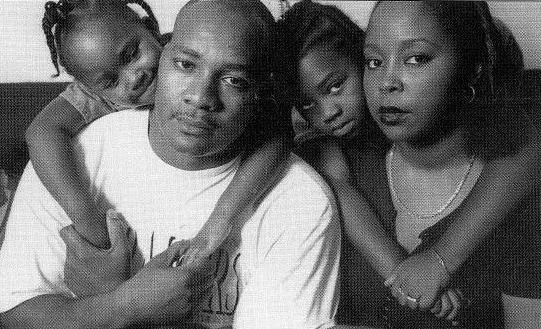
Rod Carter sought Foundation help after he was stabbed and beaten by Teamsters militants in 1997. The Foundation still fights union violence and opposes union bosses’ attempts to dodge property damage lawsuits.
WASHINGTON, DC – Unions and union officials already have an enormous number of special privileges under the law enjoyed by no other private organization or individual. Yet those special powers — including forcing workers under monopoly “representation” and union dues payments they oppose — haven’t stopped union lawyers from arguing for even more special exemptions.
In a case now before the U.S. Supreme Court, the Justices are set to decide whether the Washington State Supreme Court was correct when it granted Teamsters union officials immunity from lawsuits filed under state law. The lawsuit in this case concerned vandalism and property damage against an employer that occurred during a union boss-ordered strike.
Union Chiefs Want Blank Check to Target Workers with Property Damage
In Glacier Northwest Inc. v. International Brotherhood of Teamsters Local 174, a construction company sued the Teamsters union over property damage deliberately caused as part of a strike, only to see the Washington Supreme Court overturn the lower court and agree with union bosses’ argument that unions were exempt from such lawsuits.
With the issue now before the nation’s highest court, the National Right to Work Foundation filed a brief in the case arguing that creating such a carve-out is wrong under the law. The Foundation brief says this exemption is dangerous not only to businesses but first and foremost to independent-minded workers, and that union officials’ abundance of government-granted powers should be pared back, not extended. Oral arguments are set for January 10, 2023.
The Foundation explains in the amicus brief that “states’ interest in protecting life, limb, and private property must be respected under principles of federalism” because federal courts usually don’t offer relief for crimes like vandalism and property damage, making state courts the only place where lawsuits can be filed for such behavior. Far from being a concern only for employers who face union strike efforts, the Foundation argues, employees are often targeted by hostile or violent strike behavior and state courts often are the only forum in which they can receive justice.
“For example, in Clegg v. Powers, employees sought damages in state court for union violence and property damage during a strike,” the brief says. “Cases like Clegg demonstrate that the Court should limit” unions’ ability to dodge being sued in state court, it continues.
Foundation: Union Officials’ Special Legal Privileges Shouldn’t Be Expanded
The Foundation’s brief then points out that the Teamsters bosses’ attempt to gain this new legal privilege should be shut down given “the extraordinary privileges and exemptions already granted to unions” by Congress and courts all over the country.
These include, but are not limited to, an exemption from federal law prohibiting extortionate violence, the power to force employees in non-Right to Work states to pay union dues or fees just to stay employed, and the privilege to foist monopoly “representation” over workers against their will — powers no other private entity or individual has.
“This Court should treat unions like all other citizens or entities, clarifying that they can be liable for damages in state courts under ‘the common law rule that a man is held to intend the foreseeable consequences of his conduct,’” the brief concludes.
Unions Shouldn’t Get More Rights Than Regular Citizens
“Union officials’ theory that they should be off the hook in state court for damaging or vandalizing property is outrageous on its face. The law already has plenty of carve-outs and privileges for union hierarchies that no other private organization or citizen gets to enjoy, least of all the workers union bosses claim to ‘represent,'”” commented National Right to Work Foundation Vice President Patrick Semmens.
“Union officials regularly force millions of workers to pay union fees or be fired, and force their ‘representation’ on millions of workers who bitterly oppose it. The Supreme Court should reject this new ploy seeking another union-only exemption to regular laws, and begin to scrutinize and ultimately roll back the many existing union boss special powers.”
California Trucking Company Workers Win Freedom from Unwanted Teamsters Local 665 Union Officials
Rather than face vote to strip union officials of their forced representation powers, Teamsters officials concede defeat
Santa Rosa, CA (March 9, 2023) – Valdivia Trucking Co. workers in California are finally free of unwanted Teamsters Local 665 union officials after three months of delays created by the union officials. The workers’ bid to remove the union recently became official when, rather than face a decertification vote of Valdivia workers whether to strip the union of its power, the union preemptively “disclaimed” interest in representation and walked away from the workers.
Valdivia Trucking worker John Murdick received free legal aid from the National Right to Work Legal Defense Foundation while filing for a decertification vote. His decertification petition filed with the National Labor Relations Board (NLRB) included the signatures of a significant majority of the workers at the facility.
The workers’ petition was filed on December 16, 2022, and quickly resulted in a stipulated election agreement for a decertification vote on January 6. However, the vote was delayed by preexisting “blocking charges” the union filed with the NLRB. This is a union tactic often used to delay workers’ decertification elections, because union officials fear if the vote goes forward the union may lose.
As a result of these blocking charges against the employer the vote was delayed three months, until March, when the blocking charges were finally closed. This permitted the vote to proceed. It was at that point the union officials notified the company’s lawyers and the NLRB that it disclaimed interest in “representing” the Valdivia Trucking employees. That gave the workers the outcome they sought, albeit delayed by nearly three months.
The NLRB’s union decertification process is prone to union boss-created roadblocks. Foundation-backed reforms the NLRB adopted in 2020 made it somewhat easier for workers to remove unwanted union officials. However, the Biden NLRB is attempting to roll back these protections and make it much harder to decertify a union.
For example, the 2020 reforms blocked union officials from resubmitting overlapping charges, which often contain unverified and unrelated allegations of employer actions, designed to delay the process further. Had these reforms not been in place, the three-month delay for these workers could have been extended indefinitely.
Worker interest in removing unwanted unions is growing nationwide, with National Right to Work Legal Defense Foundation staff attorneys fielding numerous requests for free legal assistance in decertification cases, like the one brought by Murdick and his coworkers.
The process to decertify a union should be simple. Federal law provides that workers can hold decertification votes in most instances as long as they have a petition with the signatures of at least 30% of workers in a bargaining unit. However, rules created by NLRB bureaucrats combined with legal tactics deployed by union lawyers often mean workers face legal hurdles in just getting the opportunity to hold a vote whether to remove an unwanted union.
The NLRB’s own data show that, currently, a unionized private sector worker is more than twice as likely to be involved in a decertification effort as a nonunion worker is to be involved in a unionization campaign.
“The Valdivia Trucking decertification situation shows how union officials often use underhanded tactics to remain in power and collect dues from hard-working people as long as possible, even though they know a majority of workers oppose their so-called representation,” observed Mark Mix, President of the National Right to Work Foundation.
“Although we are extremely satisfied that the Valdivia workers have exercised their legal right to be union-free, we cannot neglect the importance the 2020 Foundation-backed reforms played in this case,” Mix continues. “If the Biden-appointed NLRB is able to roll back these reforms, as they are attempting to do, workers like those at Valdivia may be trapped in union ranks they oppose for many months and even years.”





