
Labor Board to Prosecute IUOE Union Officials for Restricting Rieth-Riley Workers’ Resignations and Dues Revocations
Workers already receiving $1,000+ refunds, Labor Board says that union officials used illegal barriers to prevent workers from ending dues payments
Detroit, MI (December 10, 2020) – In response to federal charges filed by three employees of Rieth-Riley Construction Company, the National Labor Relations Board (NLRB) Region 7 in Detroit has just hit the International Union of Operating Engineers (IUOE) Local 324 union with a second consolidated complaint for using unlawful resignation and revocation requirements to trap employees in unwanted membership and dues payments. The three employees are receiving free legal aid from the National Right to Work Legal Defense Foundation.
Absent settlement, the case will now go before an NLRB Administrative Law Judge. NLRB Region 7’s complaint comes as IUOE union bosses appear to be hurriedly refunding illegally-seized dues to workers, possibly to avoid further litigation on the issue. While the NLRB case to prosecute the union continues, some workers who had ended their memberships as early as 2019 are already reporting receiving checks from the union of up to four-figure sums, apparently to refund illegally-seized money, most likely in response to the Foundation-backed litigation.
The NLRB complaint consolidates the cases of Rieth-Riley employees Jesse London, Rob Nevins, and John Shipkosky, who each charged the union this year with ignoring their letters exercising their right to resign from the union and to stop any dues deductions. The complaint specifically says that union officials illegally required dues authorization revocations to be submitted by registered or certified mail, and additionally failed to inform employees that “revocation is effective at any time upon the expiration of” the union’s monopoly bargaining contract.
According to the complaint, the union’s enforcement of these restrictions violated their and their coworkers’ right to refrain from union activities guaranteed by the National Labor Relations Act (NLRA). The complaint now seeks a ruling from an NLRB Administrative Law Judge that will order union officials to “[m]ake whole any affected employees, for any financial loss” that resulted from the union’s illegal dues deduction scheme.
NLRB Region 7’s consolidated complaint also comes just weeks after Rieth-Riley employees submitted an emergency appeal in support of their effort to vote IUOE Local 324 bosses out of their workplace. They are challenging Region 7’s November 9 decision to suppress the ballots just hours before they were scheduled to be tallied, due to unverified charges IUOE bosses made against Rieth-Riley management. Foundation attorneys argue in the workers’ appeal that Region 7’s decision ignores new NLRB rules that require that employee votes be counted before such charges are dealt with.
“Operating Engineers union bosses were caught red-handed illegally seizing dues from Rieth-Riley workers in violation of their rights. Returning those ill-gotten funds is just the first step to fully vindicate the rights of IUOE’s victims,” commented National Right to Work Foundation President Mark Mix. “Foundation staff attorneys are proud to stand with the hardworking men and women of Rieth-Riley, including in their effort to have their votes counted to free themselves from unwanted union so-called ‘representation.’”
Federal Appeals Court to Hear United Airlines Worker’s Lawsuit Challenging Forced Union Dues “Opt-Out” Scheme
Foundation attorneys argue IAM union opt-out requirement to escape payment for union officials’ political activities violates Supreme Court’s Janus precedent
New Orleans, LA (December 9, 2020) – Today the U.S. Court of Appeals for the Fifth Circuit will hear arguments in United Airlines fleet service employee Arthur Baisley’s class action lawsuit against the International Association of Machinists and Aerospace Workers (IAM) union. The case, which Baisley filed with free legal aid from the National Right to Work Legal Defense Foundation, challenges the requirement that employees opt out during a brief “window period” in many instances or else be required to pay for union officials’ political and ideological activities.
Baisley’s attorneys will argue the opt-out scheme violates workers’ rights under the Railway Labor Act (RLA), and the First Amendment under the standard laid out in the landmark 2018 Supreme Court Janus v. AFSCME decision. They contend that, under Janus and the 2012 Knox v. SEIU Supreme Court case – both of which were argued at the High Court by National Right to Work Foundation staff attorneys – no union dues or fees can be charged beyond the maximum that can legally be required without a worker’s affirmative consent.
The employee, Arthur Baisley, is not a member of the IAM but is still forced to pay union fees despite being based in the Right to Work state of Texas. The Railway Labor Act pre-empts state Right to Work protections which make union membership and financial support strictly voluntary. However, under longstanding law, even without Right to Work protections nonmembers cannot be required to fund a union’s ideological activities such as lobbying and politics.
The lawsuit challenges the burdensome procedure IAM union officials created for workers seeking to exercise their right not to fund the “nonchargable” activities. The complaint lays out the convoluted union boss-created process that workers must jump through just to prevent dues from being taken in violation of their First Amendment rights.
Baisley’s experience with these requirements demonstrates how the opt-out procedure is used to violate workers’ rights by forcing them to pay for union politics without their consent. Even though he sent a letter to IAM agents in November 2018 objecting to funding all union political activities, union officials only accepted his objection for 2019, and told Baisley he had to renew his objection to full dues and fees the next year or else be charged for full union dues.
The complaint challenges this union-created policy on the grounds that it “require[s] employees to opt-out of paying union fees that they have no legal obligation to pay” and thus breaches workers’ First Amendment rights. The complaint also alleges that the IAM’s “opt-out requirement” violates the RLA, which governs labor in the air and rail industries and “protects the right of employees to ‘join, organize, or assist in organizing’ a union of their choice as well as the right to refrain from any of those activities.”
The class action lawsuit asks the court to strike down the op-out requirement not only as it is applied to Baisley, but also for his coworkers whose rights are similarly restricted by the IAM’s illegal policy. Union officials would then be required to get nonmember workers to give affirmative consent to paying for union boss activities beyond what nonmember workers can legally be required to subsidize under the RLA.
“For too long union bosses have enforced deliberately complicated opt-out requirements with the aim of trapping workers into paying for union boss politics despite the fact that, as nonmembers, they have already chosen not to affiliate with the union,” said National Right to Work Foundation President Mark Mix. “The Supreme Court ruled in the Foundation-won Janus v. AFSCME case that government unions must get consent before forcing public sector employees to fund a union because all speech directed at the government is inherently political.”
“This case seeks to apply the same legal standard to workers like Mr. Baisley who are subjected to mandatory union payments under the Railway Labor Act by requiring union officials to get workers to opt in to the portion of dues that the union already admits it spends on ideological and political activities,” added Mix.
Judge Rules for ABC Cameraman in Case against NABET Union Officials Who Seized Illegal Dues from His Paycheck
Union bosses ignored his attempts to exercise his rights, now must refund all illegally taken money
Portland, OR (December 7, 2020) – Portland-area ABC cameraman Jeremy Brown has just won a decision in his case charging National Association of Broadcast Employees and Technicians (NABET-CWA) Local 51 union officials with demanding and seizing illegal dues from him and for ignoring his multiple attempts to exercise his right to refrain from union membership and not pay for union political activities. He is represented at the National Labor Relations Board (NLRB) by National Right to Work Legal Defense Foundation staff attorneys.
A December 3 ruling by an NLRB Administrative Law Judge (ALJ) found that NABET union bosses have, since April 2019, breached federal labor law by violating Brown’s rights under the Foundation-won CWA v. Beck Supreme Court decision. Beck stipulates that union bosses can only compel employees, like Brown, who have objected to formal union membership to pay for specific, limited costs directly related to the union’s bargaining functions. An employee cannot be required to pay for the union’s political, lobbying and other non-bargaining expenditures. Beck also requires union officials to provide such employees an independent audit of the union’s financial breakdown and the process by which they calculate the reduced fee amount, among other disclosures.
According to the ALJ’s decision, Brown resumed work with ABC in 2016 after periods of intermittent hire since 1999, at no point joining the union. A new president, Carrie Biggs-Adams, took over the NABET union in the workplace in late 2018 and sent Brown a series of letters in early 2019 which claimed that, as a condition of employment, he had to pay nearly $10,000 dollars in initiation fees and “back agency dues.”
Because Brown works primarily in states without Right to Work protections, which make union membership and financial support voluntary, he can be required to pay a fee to the union as a condition of employment.
Brown, who according to the ALJ’s decision was unaware until 2019 that he was under the NABET union’s bargaining power, emailed Biggs-Adams in April 2019 asking for “clarification” regarding the fee demands and also exercised his Beck rights by objecting “to the collection and expenditure by the union of a fee for any purpose other than” certain bargaining activities. The decision also recounts that Brown informed Biggs-Adams that he filled out an application for formal NABET membership (which included an authorization for full dues deductions from his paycheck), but did so under duress, believing that he would be fired if he did not agree to pay dues.
Several follow-ups by Brown were not acknowledged by Biggs-Adams. According to the ALJ’s ruling, she “believed Local 51 had no obligation to do so because Beck objections” are handled only by the union’s national headquarters under NABET rules. Biggs-Adams never told Brown that his Beck objection was misdirected nor provided any of the disclosures Beck requires under prior Board decisions, and the union never reduced his fee amount in accordance with Beck.
The ALJ’s decision holds that the NABET Local 51 union violated Brown’s rights under the National Labor Relations Act (NLRA) through its officials’ omissions and the failure to reduce his dues. The ALJ orders that NABET Local 51 provide Brown with “a good faith determination of the reduced dues and fees objectors must pay,” “reimburse Brown for all dues and fees collected” beyond what is required by Beck with interest, and post notices informing the employees in Brown’s workplace of the decision.
“NABET union bosses flat out ignored multiple attempts by Mr. Brown to exercise his Beck rights, all the while stuffing their coffers with well over the limit of cash that they could legally demand from him,” commented National Right to Work Foundation President Mark Mix. “While this decision vindicated Mr. Brown’s legal rights, it also demonstrates why every American worker deserves the protection of a Right to Work law to shield them from union boss threats to pay up or be fired.”
Chicago Mental Health Counselor Files Federal Class Action Suit Against SEIU for Dues Seizures in Violation of First Amendment
Lawsuit seeks to end scheme that blocks University of Illinois workers from exercising constitutional right to stop union dues deductions
Chicago, IL (December 7, 2020) – With free legal representation from National Right to Work Legal Defense Foundation staff attorneys, Johnathan Shepard, a mental health counselor working for the University of Illinois Hospital & Health Sciences System (UI Health), has filed a federal class-action civil rights lawsuit against Service Employees International Union (SEIU) Local 73 and the University’s Board of Trustees.
The suit challenges Local 73 union officials’ policy enforced by the University that blocks University employees from exercising their First Amendment right to stop payments to the union outside of a fifteen-day annual “escape period.” The lawsuit seeks refunds of all dues seized as a result of the unconstitutional policy.
The complaint states that SEIU officials and the University of Illinois are breaching the First Amendment protections recognized in the 2018 Janus v. AFSCME U.S. Supreme Court decision. In Janus, then-Illinois state employee Mark Janus was represented before the Supreme Court by William Messenger, the veteran Foundation attorney who is also handling Shepard’s case.
In its ruling in Janus, the High Court struck down mandatory union fees as violating the First Amendment rights of government employees. The Court ruled that any union dues taken without a government worker’s affirmative consent violates the First Amendment, and that these rights cannot be restricted absent a clear and knowing waiver by employees of their First Amendment rights.
The lawsuit explains that Shepard sent a letter to SEIU officials exercising his right under Janus to resign union membership and cut off all dues payments during a strike ordered by SEIU union bosses. According to the complaint, SEIU officials confirmed receipt of the letter but said that they would continue to seize dues from Shepard’s paycheck unless he sends another revocation letter during an annual fifteen-day escape period that does not open until July 2021.
SEIU and the University of Illinois’ escape period policy effectively prohibits employees from exercising their First Amendment rights under Janus for 350 days of the year (351 during leap years). Shepard contends in his lawsuit that SEIU and the University of Illinois violate the First Amendment by seizing payments for union speech from employees who resign their union membership and object to dues deductions outside of this short escape period. The complaint asks the U.S. District Court for the Northern District of Illinois to order the SEIU and the University to stop enforcing the unconstitutional escape period and to order SEIU to refund to employees the dues it has unlawfully seized from them over their objections.
“Once again, SEIU officials are violating the First Amendment Janus rights of workers they claim to represent just so they can keep dues money rolling into their union’s coffers,” observed National Right to Work Foundation President Mark Mix. “The Foundation is proud to stand with Mr. Shepard, and will continue to defend all healthcare employees who simply want to serve their patients without being forced to subsidize union activities.”
Foundation Urges NLRB to Protect Workers’ Privacy from Union Organizers
The following article is from the National Right to Work Legal Defense Foundation’s bi-monthly Foundation Action Newsletter, November/December 2020 edition. To view other editions or to sign up for a free subscription, click here.
Comments filed to end Obama-era rule forcing disclosure of workers’ private information
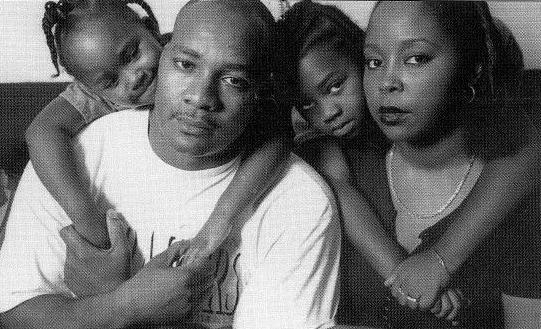
UPS driver Rod Carter was stabbed by Teamsters militants for providing for his family during a strike, after receiving late-night threats on his home phone number.
LANSING, MI – Relying on arguments presented by a National Right to Work Legal Defense Foundation legal brief, a federal court has denied an injunction against a new Michigan Civil Service Commission (MiCSC) rule designed to protect state workers’ First Amendment Janus rights.
The amicus brief was filed after lawyers from several major Michigan unions sued to overturn the protections, which block dues seizures ruled unconstitutional in the 2018 Right to Work Foundation-won Janus v. AFSCME Supreme Court decision.
The rule was finalized by MiCSC in July, following detailed comments submitted by the Foundation. The arrangement alters the state’s union dues deduction system to require the affirmative and knowing consent of workers before dues can be taken from their paychecks, as per the Court’s First Amendment standard laid out in Janus.
Michigan Public Servants Will Get Yearly Nudge About Janus Rights
MiCSC will now remind Wolverine State public servants annually that they have a right not to subsidize union bosses’ activities. Further, state employees who still want to have dues deducted must annually confirm that they want to waive that right and are voluntarily authorizing union dues deductions from their paychecks.
Under the new rule, union bosses are not able to siphon dues or fees from the paychecks of employees who aren’t aware of their right not to pay union dues, or on the basis of years-old dues authorization forms that may not reflect current consent.
In September of 2019, Alaska Gov. Mike Dunleavy signed an executive order creating similar Janus protections for Alaska state employees. Foundation staff attorneys are currently representing an Alaskan state vocational instructor seeking to enforce his First Amendment rights under Janus and that order. Additionally, Texas Attorney General Ken Paxton and Indiana Attorney General Curtis Hill both issued legal opinions earlier this year, urging public employers to notify employees that they have a First Amendment right to refuse to fund a union unless they opt in to such payments. This follows a Wall Street Journal op-ed last year by Foundation President Mark Mix and staff attorney William Messenger, which encouraged states to take action to proactively defend employees’ rights under the landmark decision. Messenger argued and won Janus before the Supreme Court.
New Jersey Teachers Battle Union-Backed Rights Restriction
The efforts by states to implement Janus rights safeguards come as public workers across the country continue to challenge schemes which block them from exercising their Janus rights outside a brief, union-created “escape period,” which is often just a few days a year, or even once every three years. New Jersey teachers Susan Fischer and Jeanette Speck are defending their rights and the rights of their fellow educators in a class-action case against the New Jersey Education Association (NJEA), now pending before the U.S. Court of Appeals for the Third Circuit. Fischer and Speck attempted to exercise their right to cut off dues to the union just days after the Supreme Court recognized this right in Janus. Union-label politicians, anticipat-ing the High Court’s ruling, had enacted a state law the month before Janus was decided, cutting the time a public servant could exercise his or her Janus rights down to just 10 days per year. Oral arguments in the case took place in late September with Foundation staff attorney William Messenger arguing the case before a three-judge panel. If Fischer and Speck’s lawsuit is successful, educators across New Jersey will be free to cut off dues at any time, and the state law limiting those rights to a 10-day window would be struck down as unconstitutional. Additionally, Fischer, Speck and their coworkers who also sought to exercise their Janus rights would get refunds of all dues that were extracted from their paychecks under the unconstitutional arrangement.
Decorated Las Vegas Officer Defends Her First Amendment Janus Rights
Elsewhere in the country, Las Vegas police officer Melodie DePierro sued both the Las Vegas Police Protective Association (PPA) union and the Las Vegas Metropolitan Police Department (LVMPD) for illegally seizing union dues from her paycheck using such an “escape period” scheme.
According to her complaint filed by Foundation staff attorneys in the U.S. District Court for the District of Nevada, in January 2020 she sent letters to both union officials and the LVMPD resigning her membership and requesting a stop of all union dues deductions. Her complaint reports that union and police department agents rejected that and a later request, citing a “narrow escape period between October 1 and October 20 each year.”
DePierro, in addition to bravely asserting her rights, stands up for her community. The Las Vegas Review-Journal reported that she helped protect a hospital during the October 2017 mass shooting at the Route 91 Harvest music festival in Las Vegas, springing into action despite being off-duty.
“Officer DePierro has an exceptional history of keeping Las Vegas safe. Instead of respecting her First Amendment Janus rights, PPA union bosses have decided to impose an unconstitutional policy on her just to keep her hard-earned money rolling into their coffers,” commented National Right to Work Foundation Vice President Patrick Semmens. “Fortunately, more and more states are beginning to grow wise to the fact that union boss-devised traps are widespread, and as such are moving to secure their public servants’ Janus rights.”
Foundation Defends MI Rule, Public Servants Nationwide from Anti-Janus Schemes
The following article is from the National Right to Work Legal Defense Foundation’s bi-monthly Foundation Action Newsletter, November/December 2020 edition. To view other editions or to sign up for a free subscription, click here.
Union officials sued to overturn Foundation-backed rule creating opt-in system for union dues
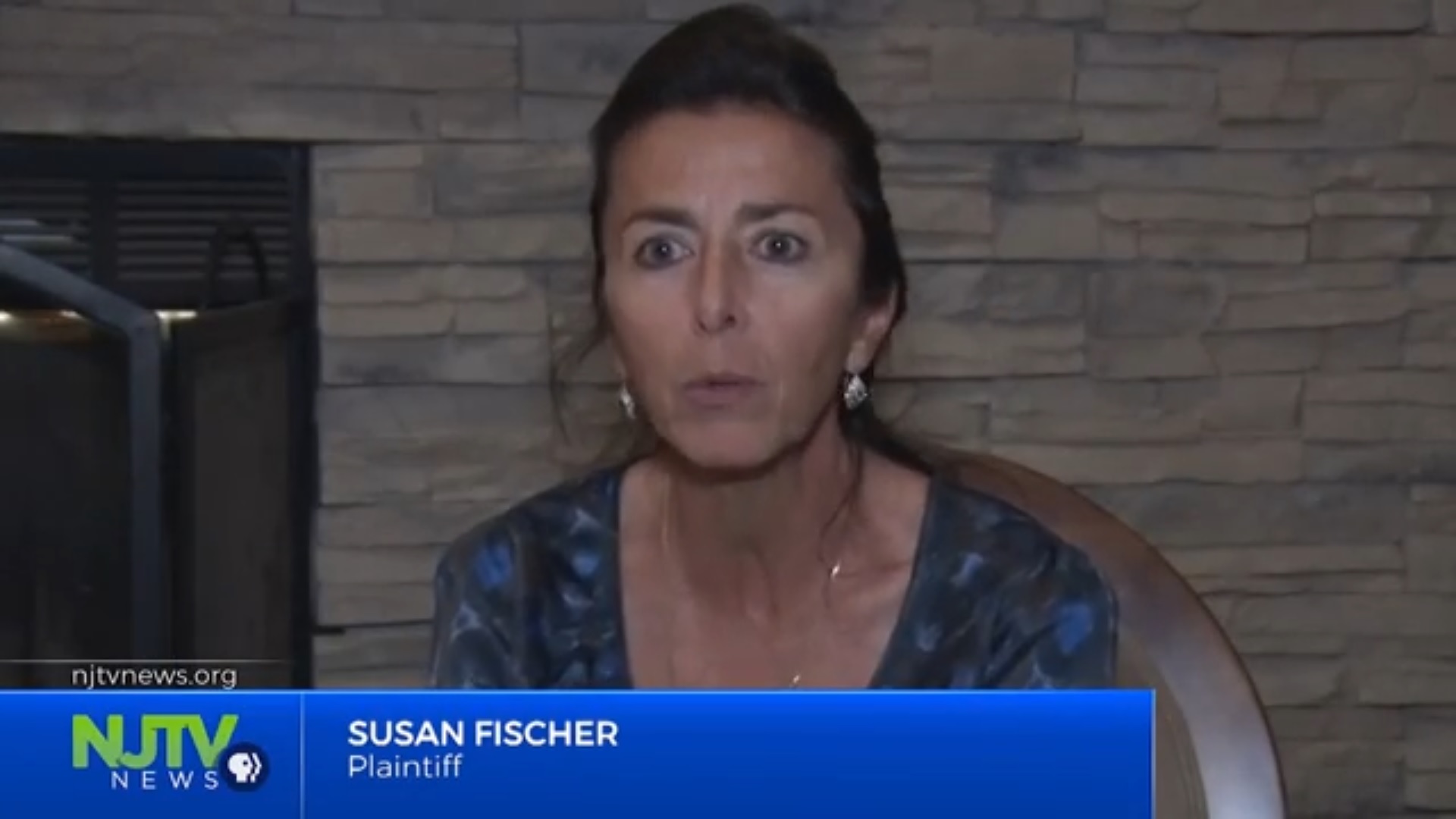
“That was so un-American to us,” New Jersey teacher Susan Fischer told NJTV News of forced union fees in 2018. Two years after Janus, she is still fighting to remove illegal union boss-created restrictions on Janus rights in the state.
LANSING, MI – Relying on arguments presented by a National Right to Work Legal Defense Foundation legal brief, a federal court has denied an injunction against a new Michigan Civil Service Commission (MiCSC) rule designed to protect state workers’ First Amendment Janus rights.
The amicus brief was filed after lawyers from several major Michigan unions sued to overturn the protections, which block dues seizures ruled unconstitutional in the 2018 Right to Work Foundation-won Janus v. AFSCME Supreme Court decision.
The rule was finalized by MiCSC in July, following detailed comments submitted by the Foundation. The arrangement alters the state’s union dues deduction system to require the affirmative and knowing consent of workers before dues can be taken from their paychecks, as per the Court’s First Amendment standard laid out in Janus.
Michigan Public Servants Will Get Yearly Nudge About Janus Rights
MiCSC will now remind Wolverine State public servants annually that they have a right not to subsidize union bosses’ activities. Further, state employees who still want to have dues deducted must annually confirm that they want to waive that right and are voluntarily authorizing union dues deductions from their paychecks.
Under the new rule, union bosses are not able to siphon dues or fees from the paychecks of employees who aren’t aware of their right not to pay union dues, or on the basis of years-old dues authorization forms that may not reflect current consent.
In September of 2019, Alaska Gov. Mike Dunleavy signed an executive order creating similar Janus protections for Alaska state employees. Foundation staff attorneys are currently representing an Alaskan state vocational instructor seeking to enforce his First Amendment rights under Janus and that order. Additionally, Texas Attorney General Ken Paxton and Indiana Attorney General Curtis Hill both issued legal opinions earlier this year, urging public employers to notify employees that they have a First Amendment right to refuse to fund a union unless they opt in to such payments. This follows a Wall Street Journal op-ed last year by Foundation President Mark Mix and staff attorney William Messenger, which encouraged states to take action to proactively defend employees’ rights under the landmark decision. Messenger argued and won Janus before the Supreme Court.
New Jersey Teachers Battle Union-Backed Rights Restriction
The efforts by states to implement Janus rights safeguards come as public workers across the country continue to challenge schemes which block them from exercising their Janus rights outside a brief, union-created “escape period,” which is often just a few days a year, or even once every three years. New Jersey teachers Susan Fischer and Jeanette Speck are defending their rights and the rights of their fellow educators in a class-action case against the New Jersey Education Association (NJEA), now pending before the U.S. Court of Appeals for the Third Circuit. Fischer and Speck attempted to exercise their right to cut off dues to the union just days after the Supreme Court recognized this right in Janus. Union-label politicians, anticipat-ing the High Court’s ruling, had enacted a state law the month before Janus was decided, cutting the time a public servant could exercise his or her Janus rights down to just 10 days per year. Oral arguments in the case took place in late September with Foundation staff attorney William Messenger arguing the case before a three-judge panel. If Fischer and Speck’s lawsuit is successful, educators across New Jersey will be free to cut off dues at any time, and the state law limiting those rights to a 10-day window would be struck down as unconstitutional. Additionally, Fischer, Speck and their coworkers who also sought to exercise their Janus rights would get refunds of all dues that were extracted from their paychecks under the unconstitutional arrangement.
Decorated Las Vegas Officer Defends Her First Amendment Janus Rights
Elsewhere in the country, Las Vegas police officer Melodie DePierro sued both the Las Vegas Police Protective Association (PPA) union and the Las Vegas Metropolitan Police Department (LVMPD) for illegally seizing union dues from her paycheck using such an “escape period” scheme.
According to her complaint filed by Foundation staff attorneys in the U.S. District Court for the District of Nevada, in January 2020 she sent letters to both union officials and the LVMPD resigning her membership and requesting a stop of all union dues deductions. Her complaint reports that union and police department agents rejected that and a later request, citing a “narrow escape period between October 1 and October 20 each year.”
DePierro, in addition to bravely asserting her rights, stands up for her community. The Las Vegas Review-Journal reported that she helped protect a hospital during the October 2017 mass shooting at the Route 91 Harvest music festival in Las Vegas, springing into action despite being off-duty.
“Officer DePierro has an exceptional history of keeping Las Vegas safe. Instead of respecting her First Amendment Janus rights, PPA union bosses have decided to impose an unconstitutional policy on her just to keep her hard-earned money rolling into their coffers,” commented National Right to Work Foundation Vice President Patrick Semmens. “Fortunately, more and more states are beginning to grow wise to the fact that union boss-devised traps are widespread, and as such are moving to secure their public servants’ Janus rights.”
NLRB Moves to Prosecute Yotel Boston and UNITE HERE for Violating Workers’ Rights in Coercive ‘Card Check’ Unionization
Labor Board complaint says hotel officials illegally assisted union boss organizing drive used to impose union monopoly ‘representation’ on housekeepers
Boston, MA (December 1, 2020) – Yesterday the Acting Boston Regional Director of the National Labor Relations Board (NLRB) issued a complaint against the Yotel Hotel and the UNITE HERE Local 26 union after the hotel illegally assisted union officials with foisting the union on workers. Housekeepers Cindy J. Alarcon Vasquez, Lady Laura Javier, Yesica Perez Barrios, and Danela Guzman filed unfair labor practice charges with the Board in December of 2019 with free legal assistance from National Right to Work Legal Defense Foundation staff attorneys.
The charges, which resulted in today’s complaint, say the hotel illegally assisted the union’s coercive “card check” drive, during which employees were pressured by union operatives into signing union cards. These cards were later counted as “votes,” and were used to bypass a secret ballot election that would have determined whether the workers actually support union representation.
The NLRB has long held that an employer taints employees’ efforts to remove a union if it gives those employees support such as a list of bargaining unit employees or use of company resources. The worker’s attorneys here argue that Yotel Boston similarly tainted the union’s organizing campaign by providing assistance to UNITE HERE union organizers that amounted to more than permitted “ministerial aid.”
Such assistance, while it is presumed to taint the results of decertification votes, has often been overlooked by the Board when the assistance benefits union officials in their efforts to gain monopoly representation powers over rank-and-file workers.
By issuing the complaint, the NLRB is finally applying the standard equally no matter whether the assistance is used to impose or remove union monopoly representation. Further, the complaint finds that Yotel violated the law when they recognized UNITE HERE as the workers’ monopoly representative as a result of the illegal assistance.
The case is not the first in which the NLRB has addressed this double standard. In July NLRB Region 19 issued a similar complaint in another case involving a hotel worker whose employer illegally assisted UNITE HERE Local 8 union officials in its card check drive at Embassy Suites in Seattle. There the NLRB also agreed that the employer had provided more than “ministerial aid,” and therefore UNITE HERE officials “did not represent an uncoerced majority of the unit.”
“The NLRB is finally addressing the double standard that for too long has favored union bosses in their coercive card check unionization drives,” said National Right to Work Foundation President Mark Mix. “Union bosses pressure workers and get illegal assistance from employers to impose their so-called representation on workers, but they cry foul when that same assistance is given to workers attempting to remove unwanted forced representation.”
“With these complaints against UNITE-HERE union bosses the Board is correctly finding that what qualifies as more than ‘ministerial assistance and support,’ and thus violates the National Labor Relations Act, cannot depend on whether the employer is helping outside union organizers impose unionization on workers or is assisting workers in exercising their right to remove an unwanted union.”
Ohio Public Workers Axe Illegal Restrictions on Janus Rights for Almost 30,000
The following article is from the National Right to Work Legal Defense Foundation’s bi-monthly Foundation Action Newsletter, September/October 2020 edition. To view other editions or to sign up for a free subscription, click here.
Foundation-backed lawsuit ends AFSCME bosses unlawful “escape period” scheme
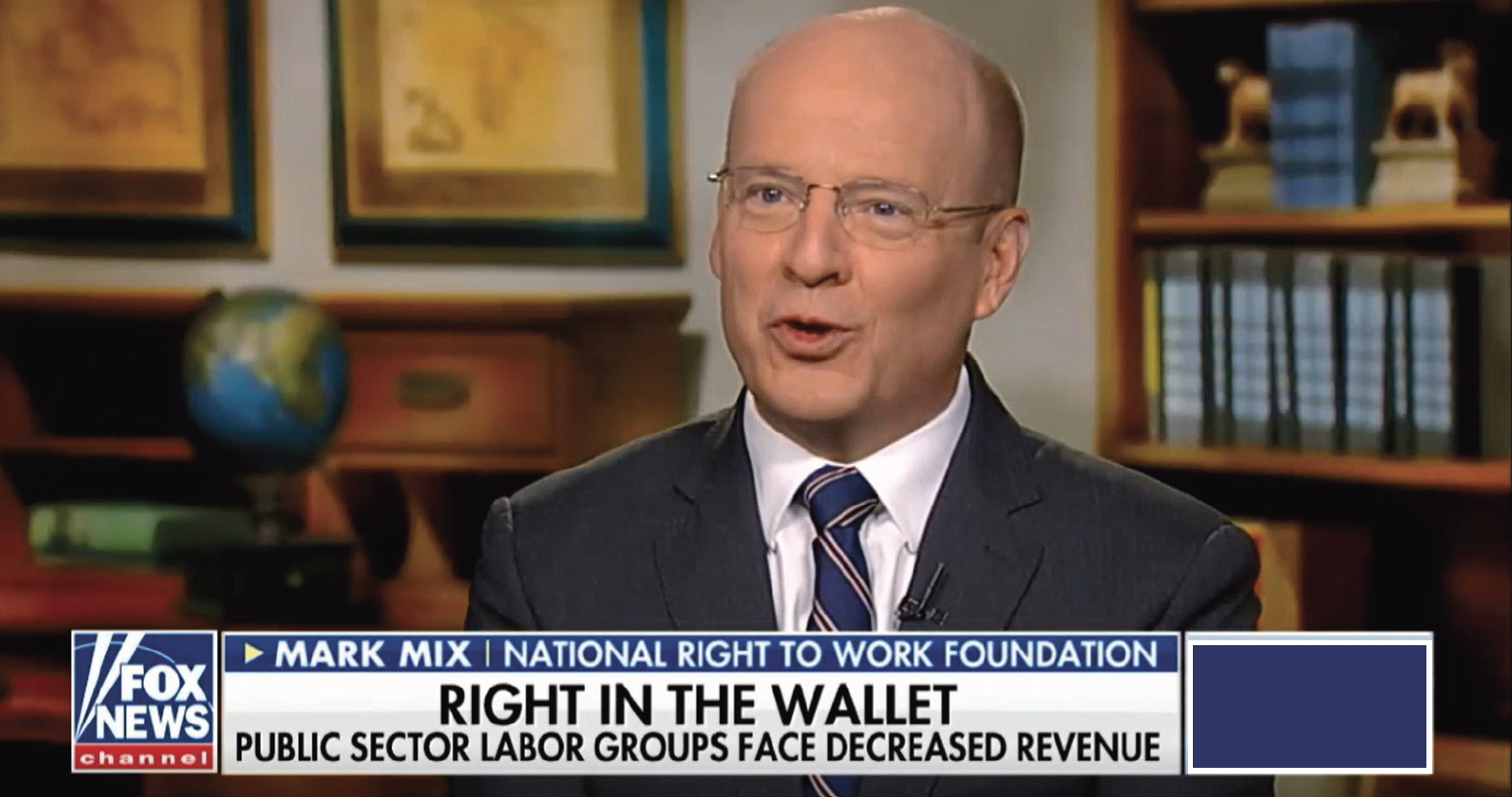
Two years after Foundation staff attorneys won Janus, public sector workers continue to cast off the shackles of forced union dues. In Allen, the plaintiffs successfully defended the Janus rights of thousands of Ohio public workers.
COLUMBUS, OH – A lawsuit by four Ohio public employees has secured the end of an illegal dues deduction scheme used by Ohio Civil Service Employees’ Association (OCSEA/AFSCME Council 11) union bosses to block an estimated 28,000 workers from exercising their First Amendment right to stop union dues payments. The workers obtained free legal representation from National Right to Work Foundation staff attorneys in challenging the policy.
The class-action suit, Allen v. AFSCME, challenged OCSEA’s so-called “maintenance of membership” policy, which trapped workers in forced-dues payments except for a brief “escape period” once every three years at the expiration of the union monopoly contract. The workers argued this policy violated their First Amendment rights under the Janus v. AFSCME Supreme Court decision.
In Janus, the High Court struck down mandatory union fees for public sector workers as an infringement of their First Amendment rights, and ruled that the government can only deduct union dues or fees with an individual’s affirmative consent.
After Freeing Workers, Foundation Attorneys Warn of Future Union Boss Tricks
As a result of the lawsuit, OCSEA officials and the State of Ohio have rescinded the “maintenance of membership” restriction on when state workers can exercise their First Amendment right to cut off union dues deductions.
They must also honor requests to stop dues deductions from any employees who signed the AFSCME dues authorization form at issue in the lawsuit. Finally, AFSCME bosses repaid dues seized illegally under the scheme to the plaintiffs and more than 150 other employees who tried to cut off union dues deductions after Janus was decided.
Knowing that union bosses don’t easily give up in their crusades to coerce workers into paying dues, however, Foundation staff attorneys issued a legal notice shortly after the case wrapped up, warning workers that OCSEA union bosses may soon solicit them to sign new dues deduction forms which are not covered by the litigation. The new forms will “purport to restrict” when employees can stop dues, it warns.
In light of that, the notice reminds workers that under Janus, no Ohio public employee can be forced to sign a union dues deduction form as a condition of employment, no matter what union agents may tell them.
Just Latest in String of Ohio Worker Victories over “Escape Periods”
Allen is not the only case in which Ohio public employees have, with National Right to Work Foundation legal aid, successfully challenged union boss attempts to limit their rights.
Seven other Ohio public employees won the first-in-the-nation victory against unconstitutional “escape periods” with Foundation aid in January 2019, after they filed a class-action federal lawsuit challenging a similar policy created by AFSCME Council 8 bosses. They won a settlement ending the restrictions for themselves and their coworkers. That win was followed by two other Ohio public workers, Connie Pennington and Donna Fizer, successfully ending “escape period” restrictions with Foundation assistance later in 2019.
“Although this chain of victories for Buckeye State public employees is certainly encouraging, the widespread nature of these schemes shows there remains much work to do to force union bosses to end their unconstitutional restrictions on public employees’ First Amendment Janus rights,” observed National Right to Work Foundation President Mark Mix. “Foundation litigation has already freed hundreds of thousands of public employees from forced union dues, but likely millions more remain trapped and unable to exercise their rights. That is why Foundation litigators will continue to file these cases.”
Push to Remove UFCW Union Could End Pro-Union Boss “Contract Bar” Policy
The following article is from the National Right to Work Legal Defense Foundation’s bi-monthly Foundation Action Newsletter, September/October 2020 edition. To view other editions or to sign up for a free subscription, click here.
Non-statutory NLRB policy hinders workers’ right to vote out an unwanted union
 Employees at the Selbyville, DE, Mountaire Farms plant rally to vote out unpopular UFCW honchos from their workplace, as union lawyers scramble to block the workers’ votes from being counted.
WASHINGTON, DC – The National Labor Relations Board (NLRB) has announced that it will review the so-called “contract bar” doctrine, which prevents employees from exercising their right to vote an unpopular union out of their workplace for up to three years if union officials and their employer have finalized a monopoly bargaining contract.
This is the latest development in a case by a Selbyville, Delaware-based Mountaire Farms poultry employee, Oscar Cruz Sosa, against the United Food and Commercial Workers (UFCW) Local 27 union. Cruz Sosa submitted a petition in February for a vote on whether Local 27 should be removed as monopoly bargaining agent in his workplace. The petition was signed by hundreds of his coworkers, more than the percentage required to trigger such a vote.
Worker Obtains Foundation Help after Union Attempts to Block Vote
After he submitted the petition, UFCW bosses immediately claimed that the “contract bar” should block Cruz Sosa and his coworkers from even having an election, because the monopoly bargaining agreement between Mountaire and the union had been signed less than three years earlier.
Cruz Sosa then obtained free legal assistance from National Right to Work Foundation staff attorneys in defending his and his coworkers’ right to vote. With Foundation aid, he also hit UFCW agents with federal unfair labor practice charges for imposing an illegal forced-dues clause on the workplace and threatening him after he submitted the petition.
When the NLRB Regional Director in Baltimore heard the election case, he ruled that the union contract contains an unlawful forced-dues clause that mandates workers immediately pay union dues upon hiring or be fired. Under NLRB precedent, an illegal forced-dues clause means the “contract bar” cannot apply, allowing the vote to proceed.
UFCW’s Desperate Attempt to Block Vote Triggers NLRB Review of “Contract Bar”
Despite the longstanding precedent supporting the Regional Director’s ruling, UFCW union lawyers filed a Request for Review, asking the full NLRB to reverse the Regional Director and halt the election.
In response, Cruz Sosa’s Foundation staff attorneys opposed the union’s efforts to block the vote. They also argued that, if the Board were to grant the union’s Request for Review, it should also reconsider the entire “contract bar” policy, which has no statutory basis in the NLRA. The Foundation’s legal brief noted that the “contract bar” runs counter to the rights of workers under the NLRA, which explicitly include the right to vote out a union a majority of workers oppose.
Just hours after the voting process in the decertification election had begun, the NLRB issued its order granting the union’s Request for Review, while also accepting the Foundation’s request to reconsider the entire “contract bar” doctrine. The order noted “that it is appropriate for the Board to undertake in this case a general review of its ‘contract bar’ doctrine.”
Given the precedential import of this case, the NLRB solicited amicus briefs on whether the “contract bar” should be allowed to stand. UFCW officials, still desperate to throw a wrench in Cruz Sosa and his coworkers’ effort to vote them out, demanded that the NLRB rescind its request for amicus briefs in the case, but that effort was quickly rebuffed.
“We urge the NLRB to swiftly overturn this outrageous non-statutory policy, which lets union bosses undermine for up to three years the free choice of workers that is supposed to be at the center of federal labor law,” commented National Right to Work Foundation Vice President and Legal Director Raymond LaJeunesse. “The very premise of the NLRB-created ‘contract bar,’ that union bosses should be insulated from worker decertification efforts, is completely backwards.”
LaJeunesse added: “Union officials across the country use all types of tactics to get workers into unions but rely on government power and legal tricks to prevent them from getting out.”





