
National Right to Work Foundation Files SCOTUS Brief Defending Alaska’s Protections Against Forced Union Dues
Alaska facing ASEA union lawsuit over arrangement which requires union bosses to obtain affirmative consent from employees before deducting dues
Washington, DC (September 29, 2023) – Today, the National Right to Work Legal Defense Foundation filed an amicus brief with the U.S. Supreme Court in the case Alaska v. Alaska State Employees Association. The brief supports the State of Alaska’s attempt to safeguard public sector workers’ First Amendment right to refrain from paying dues to a union they disapprove of. This right was first recognized in the Janus v. AFSCME Supreme Court decision, which was successfully argued at the High Court by Foundation Legal Director William Messenger.
In the 2018 Janus decision, the Supreme Court held that the First Amendment protects public sector employees from being forced to pay union dues as a condition of getting or keeping a job. The High Court further recognized that unions must obtain a worker’s freely given waiver of his or her Janus rights before deducting union dues or fees from his or her paycheck.
In an attempt to ensure his state wasn’t violating its employees’ constitutional rights, Alaska Gov. Mike Dunleavy issued an executive order to protect workers’ Janus rights: The order requires the state to obtain consent from workers each year to deduct union dues from their paychecks. This arrangement ensures that the “freely given consent” element of Janus is satisfied, while also preventing union bosses from continuing to deduct money from a worker’s wages based on a “yes” given years ago.
However, Alaska State Employees Association (ASEA) union bosses sued the State of Alaska over its Janus protections, and were able to get the state’s highest court to block the arrangement. Even worse, as Foundation staff attorneys point out in the amicus brief, “five Circuit Courts have now held that states and unions can constitutionally seize payments for union speech from dissenting employees without proof they waived their constitutional rights.”
Amicus Brief: Lower Courts and States Are Letting Unions Seize Dues Without Workers’ Consent
The Foundation’s amicus brief maintains that, after the Janus decision, at least seventeen states either “amended their dues deduction laws…to require government employers to enforce restrictions on when employees can stop payroll deductions of union dues,” or “enforced restrictions on stopping payroll deductions under preexisting state laws.” Both lead to unacceptable restraints on public sector workers’ Janus rights, the amicus brief argues.
The amicus brief further contends that lower courts, especially the Ninth Circuit, have misinterpreted Janus to not require public employers to notify public workers of their Janus rights before collecting dues, which dips below the “waiver” standard mandated by the decision. Additionally, the amicus brief points out that the Ninth Circuit has issued decisions that free public employers from any obligation to prove that union bosses obtained authentic consent from workers before dues are taken from their wages.
“Unless the Court grants review and breathes new life into Janus’ waiver requirement, unions and their government allies will continue to severely restrict the right of millions of employees to stop subsidizing union speech,” the amicus brief concludes. “The Court should not tolerate this resistance to its holding in Janus.”
“Public sector union bosses, who prize their own dues-funded political influence far above the individual rights of the employees they claim to ‘represent,’ have tried everything in their power to dodge the Janus ruling and keep siphoning money from workers,” commented National Right to Work Foundation Vice President Patrick Semmens. “The Supreme Court has an opportunity in the State of Alaska’s case to set the record straight and ensure that workers’ free association rights can’t simply be molded according to their own schemes.”
CUNY Professors’ Lawsuit Challenging Forced Association with Antisemitism-Linked Union Continues at Second Circuit
City University professors challenge NY law that forces them to be represented by hostile union hierarchy
New York, NY (June 5, 2023) – Six City University of New York (CUNY) professors have taken their federal civil rights lawsuit against Professional Staff Congress (PSC) union officials to the Second Circuit Court of Appeals. The professors, Avraham Goldstein, Michael Goldstein, Frimette Kass-Shraibman, Mitchell Langbert, Jeffrey Lax, and Maria Pagano, charge PSC union bosses with violating the First Amendment by forcing them to accept the union’s monopoly control and “representation” – “representation” the professors not only oppose, but find extremely offensive and in contradiction to their personal beliefs.
The professors, five of whom are Jewish, are receiving free legal aid from the National Right to Work Foundation and The Fairness Center. They seek to overturn New York State’s “Taylor Law,” which grants public sector union bosses the power to speak and contract for workers, including those that want nothing to do with the union. In addition to opposing the union’s extreme ideology, the professors oppose being forced into a “bargaining unit” of instructional staff who share the union’s beliefs or have employment interests diverging from their own.
The professors’ opening brief at the Second Circuit argues that a lower court’s reliance on the U.S. Supreme Court’s 1984 decision in Minnesota State Board for Community Colleges v. Knight was misguided. Knight, the brief states, dealt primarily with public employees’ ability to participate in union meetings and not with the professors’ legal argument that being forced to accept the bargaining power and “representation” of union officials is a violation of First Amendment free association rights.
The brief also maintains that the Supreme Court in the 2018 Foundation-won Janus v. AFSCME Supreme Court decision acknowledged that public sector monopoly bargaining is “a significant impingement on associational freedoms.” Other Supreme Court decisions as early as 1944 also recognized problems with monopoly bargaining, the brief notes, including the Steele v. Louisville & Nashville Railway Co. decision, in which African-American railway workers challenged a rail union’s racially discriminatory hiring and promotion policies.
“If the First Amendment prohibits anything, it prohibits the government from dictating who speaks for citizens in their relations with the government,” reads the brief. “The State Appellees and CUNY thus necessarily infringe on the Professors’ speech and associational rights by forcing them to accept a hostile political group, which they view as anti-Semitic, as their exclusive agent for speaking and contracting with their government employer.”
Lawsuit: Professors Compelled to Associate with Union Even After Bullying and Threats
The professors’ original complaint recounted that several of the professors chose to dissociate from PSC based on a June 2021 union resolution that they viewed as “anti-Semitic, anti-Jewish, and anti-Israel,” and a host of other discriminatory actions perpetrated by union agents and adherents.
The complaint said Prof. Michael Goldstein “experienced anti-Semitic and anti-Zionist attacks from members of PSC, including what he sees as bullying, harassment, destruction of property, calls for him to be fired, organization of student attacks against him, and threats against him and his family.” Goldstein has needed a guard to accompany him on campus, the complaint noted.
Prof. Lax, the complaint explained, already received in a separate case a letter of determination from the Equal Employment Opportunity Commission (EEOC) “that CUNY and PSC leaders discriminated against him, retaliated against him, and subjected him to a hostile work environment on the basis of religion.” Prof. Lax “has felt marginalized and ostracized by PSC because the union has made it clear that Jews who support the Jewish homeland, the State of Israel, are not welcome,” said the complaint.
Suit Seeks Overturn of New York State Law Forcing Union Power on Professors & Damages
The lawsuit seeks to stop the defendants from “certifying or recognizing PSC, or any other union, as Plaintiffs’ exclusive representative without their consent” and “enforcing any provisions…that require Plaintiffs to provide financial support to PSC.” It also demands that the court declare “Section 204 of the Taylor Law…unconstitutional under the First Amendment to the United States Constitution to the extent that it requires or authorizes PSC to be Plaintiffs’ exclusive representative…”
“No American worker should be forced to associate with union officials and union members that openly denigrate their identities and deeply-held beliefs,” commented National Right to Work Foundation President Mark Mix. “Yet, New York State’s Taylor Law grants union officials the power to force dissenting workers under the ‘exclusive representation’ of a union hierarchy. As these CUNY professors have experienced, granting union officials the power to nullify public employees’ free association rights in this way breeds serious harm and discord among employees.”
“Not just in Janus v. AFSCME, but in decisions going back decades, the Supreme Court has questioned the constitutionality of union monopoly bargaining,” Mix added. “Federal courts must take action to ensure that government employees can freely exercise their right to dissociate from an unwanted union for religious, cultural, financial, or any other reasons.”
“Our clients want to vindicate their First Amendment rights and win their independence from a union they believe hates them,” commented Fairness Center President and General Counsel Nathan McGrath. “If successful, their lawsuit could transform the relationship between public-sector unions and employees in New York and, potentially, beyond.”
Illinois Security Officer Defends Janus Rights Amidst Union Discrimination
The following article is from the National Right to Work Legal Defense Foundation’s bi-monthly Foundation Action Newsletter, March/April 2023 edition. To view other editions of Foundation Action or to sign up for a free subscription, click here.
Union officials sought to coerce membership by preventing non-members from defending their jobs
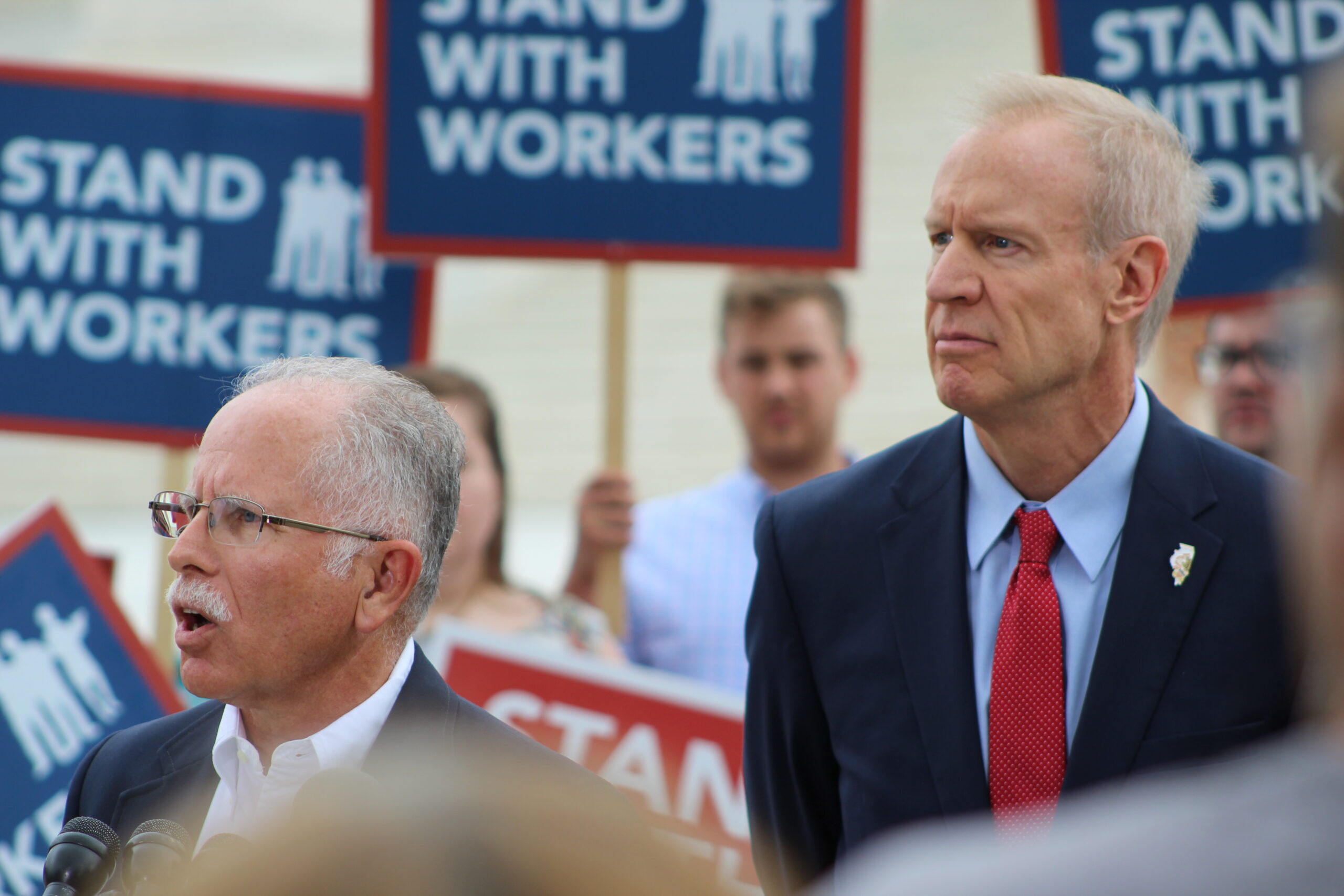
Foundation attorneys aided Illinois public employee Mark Janus with former Illinois Governor Bruce Rauner (right) in his landmark First Amendment victory. But Foundation attorneys often must fight to enforce Janus rights, as in Chris Logan’s case.
CHICAGO, IL – The National Right to Work Foundation’s landmark Supreme Court victory in Janus v. AFSCME was a milestone for public sector workers. For the first time, the Court recognized that every American public sector worker had the constitutional right to cut off dues to a union they oppose.
Even with this important First Amendment protection, however, union bosses unfortunately still wield an enormous amount of power over workers who have ended their affiliation with the union. Because of laws that authorize monopoly union “representation” in the public sector, union officials still have significant control over independent-minded employees’ working conditions, pay, benefits, and more.
City of Chicago aviation security officer Chris Logan discovered just how painful Illinois Council of Police (ICOP) union bosses could make life for him after he exercised his Janus rights. In 2020, following a dispute about his job performance, Logan took action to protect his job under the terms of his employment contract, only to have union bosses exploit the opportunity to attack Logan. The union would not allow Logan to file a grievance to protect his job unless he joined the union.
Officer Challenges Discriminatory Grievance Scheme with Foundation Aid
“ICOP union officials basically tried to force me to join and pay dues to the union by making it impossible for me to defend my job otherwise,” commented Logan. “I exercised my Janus rights and left the union because I didn’t think that ICOP officials were good ‘representatives’ of me or my coworkers.”
“Instead of trying to win back my support voluntarily, union bosses used their power to deprive me of all options when I tried to defend my job — I couldn’t even file or arbitrate a grievance myself,” Logan added. “In my mind, that simply confirms I made the right decision when I left this union.”
However, with free legal representation from National Right to Work Legal Defense Foundation staff attorneys, Logan won a decision from the Illinois Labor Relations Board (ILRB) in late 2022 that decisively declared ICOP officials’ “members only” grievance scheme illegally discriminatory against non-members.
Logan first exercised his Janus rights in October 2019, telling the union by letter that he no longer wished to pay union dues. Throughout 2020, Logan faced allegations about his job — possibly instigated by union militants. Per the union monopoly agreement he was subjected to, he tried to get union officials to fulfill their role, as monopoly “representatives” of the workplace, to file grievances challenging the City of Chicago’s disciplinary actions against him.
Union officials who maintain “monopoly bargaining power” in a workplace can legally impose their control over every worker, even those who have disaffiliated with the union. Because of this privilege, however, they are also legally obligated not to discriminate against non-members when it comes to grievances or other matters. However, as Logan discovered, union officials regularly ignore this “duty of fair representation.”
Union Officials Completely Ignored ‘Fair Representation’ Legal Obligation
ICOP union officials summarily rejected all of Logan’s requests to file grievances, and even told him that he could not file grievances himself. At one point, after an ICOP union official sent Logan an email falsely claiming the union had no legal obligation to participate because Logan had exercised his Janus rights, the ICOP lawyer chimed in to tell Logan, “I concur. Good luck.” The union stated it would not file grievances for Logan simply because he was a non-member.
Logan filed unfair labor practice charges against ICOP and the City of Chicago in August 2020, maintaining that the union’s actions were illegal. An ILRB Administrative Law Judge agreed with Logan’s charges in May 2022, declaring that ICOP “violated [Illinois labor law] when its agents restrained or coerced the Charging Party in the exercise of rights . . . by threatening to deny the Charging Party equal representation in the disciplinary and grievance matters.” The ILRB later adopted this ruling, leading to Logan’s Foundation-won victory when union officials did not attempt to appeal the decision to Illinois state court.
Monopoly Bargaining Powers Open Door to Corruption
“Union bosses maintain unilateral control over workers under a ‘monopoly bargaining’ regime,” commented National Right to Work Foundation Vice President and Legal Director Raymond LaJeunesse. “For public sector workers across the country, Janus is the only check they can use against this power, and even then they could face retaliation for doing so.”
“Cases like Mr. Logan’s, where union bosses used their bargaining powers to discriminate against a worker who exercised Janus rights, ought to make our elected leaders reconsider how much privilege our laws grant unions,” LaJeunesse added.
Northwest Ohio Employees File Suit to Knock Down Another Janus Restriction
The following article is from the National Right to Work Legal Defense Foundation’s bi-monthly Foundation Action Newsletter, March/April 2023 edition. To view other editions of Foundation Action or to sign up for a free subscription, click here.
Foundation-aided Ohio workers have already won string of victories over union-imposed ‘escape periods’

From left: Penny Wilson, Theresa Fannin, and Kozait Elkhatib aren’t taking AFSCME union officials’ onerous First Amendment restrictions sitting down. With free Foundation legal aid, they will continue the fight to protect Janus in Ohio.
TOLEDO, OH – American Federation of State, County, and Municipal Employees (AFSCME) union bosses seem to have a knack for violating Ohio public workers’ First Amendment right to refrain from paying union dues.
Fortunately, National Right to Work Foundation staff attorneys are even more adept at forcing Ohio AFSCME bosses to back down from their unconstitutional dues schemes, and have led Ohio government workers to victory in several such cases.
The latest case in this saga comes from three Lucas County Job and Family Services (JFS) employees, who in December filed a federal civil rights lawsuit against the AFSCME Ohio Council 8 union and their employer for violating their constitutional rights.
Penny Wilson, Theresa Fannin, and Kozait Elkhatib’s lawsuit says AFSCME union officials illegally seized money from their paychecks in violation of their First Amendment rights as recognized in the landmark 2018 Foundation-won Janus v. AFSCME U.S. Supreme Court decision. The Ohio public employees are receiving free legal aid from the National Right to Work Foundation and the Ohio-based Buckeye Institute.
Union Officials Kept Employees in the Dark About Janus Freedoms
In Janus, the Court declared it a First Amendment violation to force public sector workers to pay union dues or fees as a condition of employment. The Court also ruled that union officials can only deduct money from the paycheck of a public sector employee who has voluntarily waived his or her Janus rights.
“Plaintiffs . . . file this suit to stop Lucas County JFS and AFSCME from seizing union payments from them without their consent and to receive compensation for violations of their First Amendment rights,” reads the workers’ complaint.
Officials from AFSCME Council 8 and Lucas County JFS enforce a policy which permits the direct deduction of union dues from employees’ paychecks. According to the policy, employees who wish to stop subsidizing the union have only a few days per year in which to do so — an “escape period” that effectively forbids the exercise of their First Amendment Janus rights for more than 90 percent of the year.
AFSCME union officials never informed Wilson, Fannin, and Elkhatib of this restriction. Union officials also never told the women that they had a First Amendment right under Janus to abstain from dues deductions, or that union dues could only be taken from them if they waived that right.
The employees discovered their Janus rights and attempted to exercise those rights twice by sending letters to AFSCME union officials stating that they were ending their union memberships and terminating dues deductions. AFSCME union officials denied all three women’s requests, stating that union dues deductions would continue because the letters missed the narrow “escape period” imposed by the union.
Wilson, Fannin, and Elkhatib’s lawsuit seeks to stop Lucas County JFS and AFSCME union officials from seizing dues from their paychecks. It also seeks a refund of all union dues taken from their wages without their consent.
Foundation Janus Victories Continue to Stack Up in Ohio
Independent-minded Ohio public employees are on a winning streak against AFSCME officials’ “escape period” arrangements. Foundation attorneys scored a significant victory for Ohio public servants’ Janus rights in a 2020 lawsuit against another Ohio AFSCME local (Council 11). Rather than face off against Foundation attorneys, those AFSCME union officials backed down and settled the case. As a result, Foundation attorneys freed almost 30,000 Ohio public employees from a “maintenance of membership” scheme that limited the exercise of Janus rights to roughly once every three years.
In fact, Wilson, Fannin, and Elkhatib’s suit isn’t the first time that Foundation attorneys have faced off against AFSCME Council 8 officials. In 2019, Foundation attorneys brought a similar First Amendment suit for seven Ohio employees that brought down another restrictive “escape period” enforced by Council 8 chiefs.
AFSCME Council 8 Officials Caught Red-Handed Again Violating First Amendment
“Even after abandoning other ‘escape period’ schemes to avoid facing Foundation staff attorneys in court, shameless AFSCME union officials continue to violate the Janus rights of the very employees they claim to ‘represent,’” commented National Right to Work Foundation Vice President Patrick Semmens.
“America’s public workers should not have to file federal lawsuits to protect their money and their First Amendment rights from the predations of public sector union officials.”
Another Janus Victory: South Jersey Bus Drivers Win Back Illegally Seized Dues
The following article is from the National Right to Work Legal Defense Foundation’s bi-monthly Foundation Action Newsletter, January/February 2023 edition. To view other editions of Foundation Action or to sign up for a free subscription, click here.
New Foundation-backed challenges to Janus restrictions also pending at U.S. Supreme Court

Stop Requested: Tyron Foxworth and his fellow South Jersey Transportation Authority bus drivers told union officials to cease union dues to no avail, until Foundation staff attorneys’ lawsuit forced union bosses to back down.
CAMDEN, NJ – Toward the end of 2021, South Jersey Transportation Authority (SJTA) bus driver Tyron Foxworth and his colleagues Doris Hamilton, Karen Burdett, Karen Hairston, Ted Lively, Arlene Gibson, and Stanley Burke decided they had had enough of International Federation of Professional and Technical Engineers (IFPTE) union bosses’ so-called “representation” and opted out of union membership. Union cards they had signed indicated that the union would cease taking money from their paychecks in January 2022.
But, January 2022 came and went, and neither Foxworth nor his fellow independent-minded colleagues saw dues deductions stop. As a result, with free legal representation from National Right to Work Foundation staff attorneys, they filed a First Amendment federal civil rights lawsuit against the IFPTE union. They argued that union officials violated their First Amendment rights under the Foundation-won 2018 Janus v. AFSCME Supreme Court precedent by continuing to seize dues despite their objections.
IFPTE Officials Subjected Drivers to Restrictions They Never Knew About
In Janus, the Court declared it a First Amendment violation to force public sector workers to pay union dues as a condition of employment. It also ruled that union officials can only deduct dues from the paycheck of a public sector employee who has voluntarily waived his or her Janus rights.
Rather than face Foundation staff attorneys in federal court, IFPTE union lawyers backed down and settled the case. As the settlement ordered, union bosses have now given back all money they seized unconstitutionally from Foxworth and his objecting coworkers, plus interest. The settlement also bars the IFPTE union from demanding or seizing any dues from the drivers going forward.
According to Foxworth and his colleagues, IFPTE dues deductions cards led them to believe that dues opt-outs would become effective on either the January or July following a request. However, the union’s monopoly bargaining contract with SJTA recognized dues revocations only in July. The drivers never consented to this greater restriction.
Foundation attorneys argued in the lawsuit that IFPTE union officials, by taking union dues after January 1, 2022, without the workers’ consent, “violate[d] Plaintiffs’ First Amendment right to free speech and association.”
Foxworth and his coworkers’ victory is the latest of numerous Foundation-won cases to vindicate American public workers’ First Amendment Janus rights. In the past few years, class action lawsuits brought by Foundation staff attorneys have led to settlements freeing tens of thousands of Ohio public employees from American Federation of State, County, and Municipal Employees (AFSCME) union schemes illegally restricting the exercise of their Janus rights.
Courageous public workers from California and Nevada are also asking the Supreme Court to take the next step and declare such Janus restrictions clearly violative of the First Amendment.
Lifeguards, Police Officer Battle Blatantly Unconstitutional Restrictions
Foundation attorneys just filed a petition asking the Supreme Court to hear several Southern California lifeguards’ suit against a so-called “maintenance of membership” scheme that California Statewide Law Enforcement Agency (CSLEA) union officials are using to trap the lifeguards in membership and full dues payments years after they resigned, in direct opposition to Janus.
Also awaiting Supreme Court review of her case is Las Vegas police officer Melodie DePierro, who with Foundation aid is battling an arrangement imposed by Las Vegas Police Protective Association (PPA) union officials that forbids the exercise of her Janus rights for over 90 percent of the year.
“Union officials across the country continue to enforce schemes that give them — not the workers they claim to ‘represent– control over the exercise of Janus rights, meaning more money in union coffers while employees’ constitutional rights are squashed,” commented National Right to Work Foundation President Mark Mix. “While many union bosses, aware of the indefensibility of their actions, run screaming from facing Foundation attorneys on Janus issues and settle quickly, American public workers should also know that Foundation attorneys will fight all the way up to the Supreme Court to ensure their First Amendment rights are protected.”
Las Vegas Police Officer Urges Supreme Court to Hear Case Battling Union’s Unconstitutional Dues Scheme
LVMPD officer argues union officials seized her money in violation of First Amendment through restrictive arrangement to which she never consented
Washington, DC (November 21, 2022) – Las Vegas police officer Melodie DePierro has submitted a petition asking the United States Supreme Court to hear her lawsuit defending her First Amendment right to abstain from paying dues to a union she does not support. DePierro is receiving free legal representation from National Right to Work Legal Defense Foundation staff attorneys.
DePierro, a Las Vegas Metropolitan Police Department (LVMPD) officer, contends in the lawsuit that officials of the Las Vegas Police Protective Association (PPA) union seized dues money from her paycheck in violation of her First Amendment rights pursuant to a so-called “window period” specified in the union contract. PPA officials’ “window period” scheme prohibits police officers from opting out of union financial support for over 90% of the year. DePierro never consented to – nor was ever informed of – this limitation.
DePierro seeks to enforce her First Amendment rights recognized by the Supreme Court in the landmark 2018 Janus v. AFSCME case, which was argued and won by Foundation attorneys. The Justices ruled in Janus that forcing public sector workers to subsidize an unwanted union as a condition of employment violates the First Amendment. They also held that union officials can only deduct dues from a public sector employee who has affirmatively waived his or her Janus rights.
“[I]f employee consent is not required, governments and unions can, and will…devise and enforce onerous restrictions on when employees can stop subsidizing union speech,” reads the brief.
PPA Union Officials Imposed on Officer Contract Provision She Never Knew About
According to DePierro’s original complaint, she began working for LVMPD in 2006 and voluntarily joined the PPA union at that time. However, in 2006 the union monopoly bargaining contract permitted employees to terminate dues deductions at any time.
In January 2020, she first tried to exercise her Janus rights, sending letters to both union officials and the LVMPD stating that she was resigning her membership. The letters demanded a stop to union dues being taken from her paycheck.
Her complaint reported that union and police department agents rejected that request because of the union-imposed “window period” restriction previously unknown to DePierro that purportedly limits when employees can exercise their Janus rights. As her brief notes, that “window period” restriction was added in the 2019 monopoly bargaining contract between union officials and the police department, despite the fact Janus had already been decided by then.
DePierro never agreed to such a restriction on the exercise of her First Amendment rights, but union agents nonetheless rebuffed her again when she renewed her demand to stop dues deductions in February 2020. When she filed her lawsuit, full union dues were still coming out of her paycheck.
DePierro’s Supreme Court petition argues that, because union officials kept seizing money from her wages under the guise of the “window period,” and never sought her consent to the restriction, they violated the First Amendment. As per Janus, union officials must obtain a worker’s waiver of their Janus rights before deducting dues or fees from their pay. DePierro asks the High Court to declare the “window period” scheme unconstitutional, forbid PPA and LVMPD from further enforcing it, and order PPA and LVMPD to refund with interest all dues unlawfully withheld from her pay since she tried to stop the deductions.
“This Court’s review is urgently needed because the Ninth Circuit’s decision is allowing governments and unions to unilaterally decide when and how to restrict employees’ right to refrain from subsidizing union speech—without the need to secure their affirmative consent to the restriction,” asserts the brief.
Officer Joins California Lifeguards in Asking Justices to Uphold Janus Ruling
DePierro’s petition comes as 21 Foundation-represented Southern California lifeguards are also urging the Supreme Court to hear their case challenging an anti-Janus dues scheme concocted by California Statewide Law Enforcement Agency (CSLEA) union officials. That scheme has trapped the lifeguards in union membership and full dues deductions until 2023, despite each of the lifeguards exercising his or her Janus right to abstain from union membership and union financial support.
As in DePierro’s case, the lifeguards were not explicitly informed of the so-called “maintenance of membership” restriction which now confines them in membership and full dues payment. Moreover, union officials never obtained voluntary waivers of Janus rights from any of the lifeguards before subjecting them to this scheme.
“Janus’ First Amendment protections are meant to ensure that workers are not being forced to subsidize union bosses of whom they disapprove, whether based on union officials’ ineffectiveness, political activities, divisive conduct in the workplace, or any other reason,” commented National Right to Work Foundation President Mark Mix. “Union officials’ defense of schemes that siphon money out of unwilling workers’ paychecks sends a clear message that they value dues revenue over the constitutional rights of the workers they claim to ‘represent.’”
“Two parties, here the union and police department, cannot enter into an agreement to restrict the First Amendment rights of an American citizen, yet that is exactly what has happened here to Officer DePierro,” Mix added. “The Supreme Court must defend Janus rights against such obvious violations, and ensure that these unconstitutional schemes are not allowed to stand.”
Union Bosses Caught Red-Handed Illegally Taking Dues from Charter School Teacher
California union officials backed off anti-Janus deductions after Foundation action
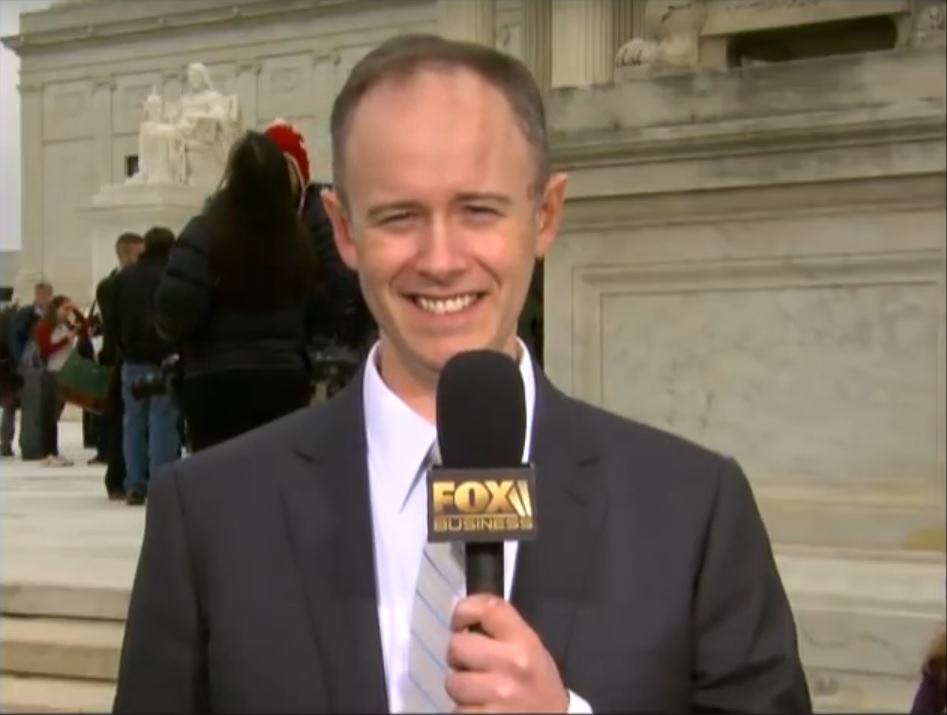
Foundation staff attorney Bill Messenger successfully argued Janus at the Supreme Court. But enforcing the landmark First Amendment victory is an ongoing battle.
LOS ANGELES, CA – A former teacher at Camino Nuevo Charter Academy in Los Angeles, California, is getting a refund of illegally seized union dues with free legal aid from the National Right to Work Legal Defense Foundation. The refund came after Foundation staff attorneys sent a letter to officials with the Camino Nuevo Teachers Association, an affiliate of California Teachers Association, threatening legal action for violating the teacher’s First Amendment rights.
Natalie Bahl, who was a teacher at Camino Nuevo Charter Academy up until recently, attempted to exercise her right as a public employee not to pay any union fees. Ms. Bahl notified the union of her decision in a mass email to several union officials, which reportedly also prompted other teachers to make similar requests. Her email was sent before the union-designated “window period” closed for teachers to revoke their authorization for deducting union dues.
Despite the timely request, Ms. Bahl realized a few months later that union dues were still being deducted from her paycheck. When she asked union officials about it, they suddenly claimed she missed her window period for dues revocation.
At that point, Ms. Bahl reached out to National Right to Work Legal Defense Foundation staff attorneys, who sent a letter demanding a refund of union dues collected in violation of Bahl’s First Amendment rights. Rather than face a potential federal civil rights lawsuit, CNTA union officials refunded all dues taken from Bahl from the time of her request until she left the school’s employment to further pursue her own education.
Union Officials Refuse to Learn Their Janus Lesson
In the Foundation-argued Janus v. AFSCME U.S. Supreme Court case, the Court recognized that forcing public sector workers to pay union dues or fees as a condition of employment violates the First Amendment. The Justices also ruled that public employees must opt in with affirmative consent to any union payments before money can be taken from their paychecks.
Since winning the 2018 Janus Supreme Court decision, Foundation staff attorneys have scored victories across the country for public employees seeking to enforce their First Amendment rights under the Janus decision. For example, Foundation staff attorneys recently successfully defended a public school teacher in Harford County, Maryland, from whom union bosses illegally seized dues for months despite two letters to the local AFSCME affiliate exercising her right to resign union membership and end all dues deductions from her pay.
“Teachers and other public sector workers have Janus rights under the First Amendment and should immediately contact the Foundation for free legal assistance if they believe their rights have been violated,” said National Right to Work Foundation Vice President Patrick Semmens. “Unfortunately we continue to see that even when public employees comply with arbitrary union-created policies designed to stifle their First Amendment rights, union officials still brazenly ignore Janus in order to fill their coffers with union dues seized from employees.
Case Closed: Nurse Prevails in 11-Year Legal Fight Over Forced Dues
The following article is from the National Right to Work Legal Defense Foundation’s bi-monthly Foundation Action Newsletter, January/February 2022 edition. To view other editions of Foundation Action or to sign up for a free subscription, click here.
100 Rhode Island hospital employees win refund of dues illegally seized for union lobbying

After over a decade of battling power-hungry UNAP union bosses in court, Jeanette Geary has secured not only refunds of dues seized for union politics, but a First Circuit decision clarifying non-members can never be charged for union lobbying.
WARWICK, RI – Jeanette Geary finally achieved a total victory in her 11-year legal battle against union bosses. She and 99 other current and former nurses at Kent Hospital in Rhode Island received refunds of forced dues that were illegally used to support union lobbying in state legislatures. Foundation attorneys represented Geary throughout her fight.
Geary’s journey began when she grew frustrated with United Nurses and Allied Professionals (UNAP) union bosses in her workplace. “I realized what the union was doing,” Geary explained. “The union leadership had no interest in nurses or our professional work. Their only interest was collection of dues and fees.”
Geary resigned her union membership, but union dues were still extracted from her paycheck because Rhode Island is a forced unionism state that lacks Right to Work protections. However, thanks to the Foundation-won CWA v. Beck Supreme Court decision, nonmember workers can only be forced to pay fees for union activities “germane” to union monopoly bargaining. They cannot be forced to pay the portion of dues that funds activities like union lobbying.
Nurse Harassed for Standing Up to Union Bosses
Geary demanded a breakdown of the union’s expenditures, but union bosses refused to give her a legally required independent auditor’s verification of how they calculated non-members’ reduced forced fees. Like many who speak up against union bosses, Geary became a target for union harassment. “They laughed at me. They had their workplace reps ridicule me on the job and tell me I could file grievances that would be thrown away and said so with a big smile,” Geary recalled.
In 2009, Geary filed federal charges against union officials. The trial revealed UNAP officials were charging non-member nurses for lobbying in state legislatures. Despite the Supreme Court’s clear mandate in Beck that non-members’ money could not be used to fund political causes, union lawyers argued the lobbying was “germane” to the union’s monopoly bargaining.
Thanks to delays caused by President Obama’s illegal recess appointments to the National Labor Relations Board (NLRB), Geary had to file two petitions with the U.S.
Court of Appeals in Washington, D.C., and didn’t get a final NLRB ruling for nearly a decade. Finally, in March 2019, the NLRB ruled 3-1 that union officials cannot charge non-members for lobbying of any kind. It also ruled that union officials must provide independent verification that the union expenses they force non-members to pay have been audited.
Union Bosses Ridiculously Claimed Some Union Lobbying Wasn’t Political
Union officials still wouldn’t abandon their argument that nonmembers could be forced to pay for some union lobbying as a condition of employment. Union lawyers appealed the NLRB’s decision to the U.S. Court of Appeals for the First Circuit. A three-judge panel that included retired Supreme Court Justice David Souter ruled unanimously in Geary’s favor, saying “we see no convincing argument that legislative lobbying is not a ‘political’ activity.”
Union officials made a last-ditch attempt to overturn the decision, requesting an en banc hearing by the entire Court of Appeals, but that request was denied. In September 2021, union bosses finally paid back, with interest, thousands of dollars taken from Geary and 99 other current and former Kent Hospital nurses who were not union members but were charged for the union’s lobbying, bringing the decade-long case to a close.
“Jeanette Geary faced workplace ridicule for her decision to stand up to union bosses, yet she persevered for eleven years,” said National Right to Work Foundation Vice President and Legal Director Raymond LaJeunesse. “In the process, she won important legal precedents that will protect thousands of other workers from having their money illegally used to fund union politics.”
Cleveland Probation Officer Challenges Years of Janus-Breaching Dues Seizures
The following article is from the National Right to Work Legal Defense Foundation’s bi-monthly Foundation Action Newsletter, November/December 2021 edition. To view other editions of Foundation Action or to sign up for a free subscription, click here.
Union officials covertly began seizing full dues after Janus decision, refuse to return money

CLEVELAND, OH – Cuyahoga County probation officer Kimberlee Warren is suing the Fraternal Order of Police Ohio Labor Council (FOP) union, charging union officials with breaching her First Amendment right as a public employee to refuse to support union activities. She is receiving free legal representation from National Right to Work Legal Defense Foundation staff attorneys.
Foundation staff attorneys contend that FOP union officials ignored her constitutional rights recognized in the Foundation-won 2018 Janus v. AFSCME U.S. Supreme Court decision. In Janus, the Justices declared it a First Amendment violation to force any public sector employee to pay union dues or fees as a condition of keeping his or her job. The Court also ruled that public employers and unions cannot take union dues or fees from a public sector employee unless they obtain that employee’s affirmative consent.
Warren was not an FOP union member, even before the Janus decision. However, her federal lawsuit details that astoundingly union officials furtively opted her into formal membership and full dues deductions from her paycheck after the Janus decision was issued, an event which should have prompted union officials to cease seizing all money from her.
FOP Union Bosses Brazenly Increased Forced-Dues Deductions After Janus
FOP union chiefs continued these surreptitious deductions until December 2020, Warren’s lawsuit notes, when she notified union officials that they were violating her First Amendment rights by taking the money and demanded that the union stop the coerced deductions and return all money that they had taken from her paycheck since the Janus decision.
When the deductions ended, FOP chiefs refused to give back the money that they had already seized from Warren in violation of her First Amendment rights. They claimed the deductions had appeared on her check stub and thus any responsibility to end the deductions fell on her — even though to her knowledge they had never obtained permission to opt her into membership or to take cash from her paycheck to begin with.
According to the lawsuit, Warren also asked FOP bosses to provide any dues deduction authorization document she might have signed. FOP officials rebuffed this request as well.
Union bosses were authorized by state law before the Janus ruling to seize from non-member workers’ paychecks only the part of dues they claim go toward “representational” activities. FOP union officials took this amount from Warren prior to Janus. However, their forcing her into membership afterward means they started taking full dues from her wages, even more money than they did before Janus despite the complete lack of consent.
Warren’s lawsuit seeks the return of all dues that FOP union officials garnished from her paycheck since the Janus decision was handed down.
Probation Officer Seeks Punitive Damages for Unchecked Janus Abuses
Her lawsuit also seeks punitive damages because FOP showed “reckless, callous” indifference toward her First Amendment rights by snubbing her refund requests.
“All over the country, union officials are stopping at nothing to ensure they can continue ignoring workers’ First Amendment Janus rights and continue siphoning money from the paychecks of dissenting employees,” commented National Right to Work Foundation President Mark Mix. “After Janus was handed down, FOP union officials in Warren’s workplace could have asked her to support the union voluntarily, but instead, tellingly, they began surreptitiously siphoning full dues out of her paycheck without her consent in direct contravention of the Supreme Court’s ruling.”





