
Public Servants Across Country Stand Strong in Defending Janus Rights
The following article is from the National Right to Work Legal Defense Foundation’s bi-monthly Foundation Action Newsletter, January/February 2026 edition. To view other editions of Foundation Action or to sign up for a free subscription, click here.
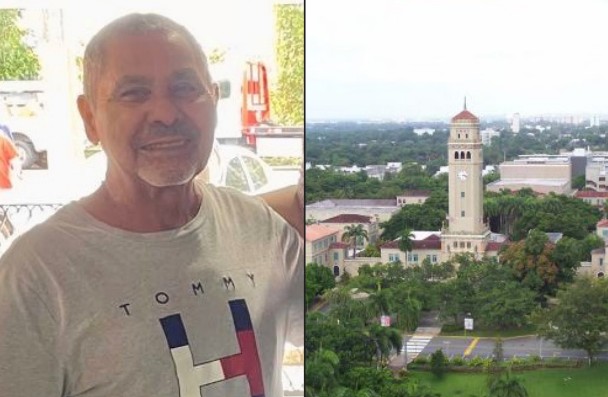
Jose Ramos, a University of Puerto Rico maintenance employee, isn’t going to let union bosses maintain their flimsy defense that they are entitled to keep his hard-earned money in violation of the First Amendment.
As 2025 waned, National Right to Work Foundation staff attorneys brought their expertise to bear as government employees in Washington State and Puerto Rico continued legal battles to get back money that union bosses never should have seized from their paychecks.
These workers are invoking their rights under the Foundation-won Janus v. AFSCME decision, which the Supreme Court handed down in 2018. In Janus, the Justices ruled that all American public sector workers have a First Amendment right to abstain from paying dues to union officials they don’t support.
Despite Janus’ commonsense protections, many union bosses, intent on keeping their coffers stocked with dues money seized from unwilling public employees, are still trying to skirt the Court’s ruling.
AFSCME Bosses Refuse to Return Illegally-Seized Money to Worker
That includes AFSCME union officials in Washington State, whom City of Everett employee Xenia Davidsen is fighting at the Washington State Public Employment Relations Commission (PERC). Davidsen charged AFSCME chiefs with accepting money that City officials had illicitly funneled from her paycheck to the union.
Davidsen had requested dues deductions to stop in 2024 in accordance with Janus, but City officials failed to monitor the email address through which AFSCME directed the City to stop the deductions. This incompetence led to the City seizing dues money from Davidsen at least 12 times without her authorization — and AFSCME union officials have stubbornly refused to admit they must post a notice stating they were wrong to accept the deductions.
“On none of those… instances did the Union stop to question why it was accepting dues that it knew were unauthorized to it,” argue Foundation attorneys in Davidsen’s latest brief before the PERC.
Meanwhile, Foundation attorneys also defended the Janus rights of two groups of Puerto Rico public employees in oral arguments before the First Circuit Court of Appeals last October.
Foundation Challenges Puerto Rico Court’s Refusal to Nix Anti-Janus Statute
In one case, Cruz v. UIA, Puerto Rico Aqueduct and Sewer Authority (PRASA) employee Reynaldo Cruz is trying to reclaim union dues money that officials of the Authentic Independent Union of Water and Sewer Authority Employees (UIA) took in violation of his First Amendment rights.
Cruz’s lawsuit challenges both union bosses’ demands that he pay union dues or lose his job, as well as the Puerto Rico territorial laws that allow such unconstitutional demands. Though UIA union bosses claim they have already deposited the illegally-seized money with a lower federal court, that court confusingly declined to issue a ruling that legally entitles Cruz to collect the funds.
During oral arguments, Cruz’s legal team argued that this legal sleight-of-hand created “a roadmap for civil rights defendants to violate civil rights plaintiffs’ rights.”
Foundation Won’t Let Union Bosses & Bureaucrats Ignore Janus
Also argued before the First Circuit at the end of 2025 was Ramos v. Delgado, in which Foundation attorneys represent Jose Ramos and other University of Puerto Rico maintenance employees who had dues illegally deducted from their paychecks for years.
Ramos and his colleagues are seeking refunds of all dues taken unlawfully since the Janus decision. Puerto Rico continues to be a hotbed for union violations of the Janus decision, but luckily, workers continue to stand up with Foundation legal aid.
Most recently, public employee Luis Rigau filed a federal lawsuit to challenge the Puerto Rico Industrial Commission (PRIC) union’s blatantly illegal reinstatement of automatic forced-dues deductions against nonmembers.
“Despite Janus’ clear constitutional command, union bosses, legislators, and public officials are still trying to do legal gymnastics to end-run the decision,” commented National Right to Work Foundation Vice President and Legal Director William Messenger.
“All public sector workers deserve the free choice that Janus secures, and Foundation attorneys will continue to back them in their court battles for freedom.”
Counselor at IL Correctional Facility Slams Union With Federal Charges For Illegally Seizing Money From Paycheck
AFSCME union officials told worker that formal membership and full dues payments are required just to keep her job
East Saint Louis, IL (February 11, 2026) – A mental health professional employed by University Correctional Healthcare Solutions has just filed a federal charge against the American Federation of State, County, and Municipal Employees (AFSCME) Council 31 union, maintaining that union officials are forcing her to join the union and pay full union dues – including dues for union politics.
The employee, J. Denise Bradley, is pursuing her case at the National Labor Relations Board (NLRB) with free legal aid from National Right to Work Foundation staff attorneys. The NLRB is the federal agency responsible for enforcing private sector labor law. Ms. Bradley works primarily at the Illinois Youth Center Pere Marquette in Grafton, IL.
Even though federal labor law permits union bosses in many states to force workers to pay money to a union to keep their jobs, the Supreme Court’s decision in NLRB v. General Motors forbids mandatory formal union membership. Additionally, the Foundation-won CWA v. Beck Supreme Court decision prohibits union officials from requiring workers who opt out of union membership to pay dues for the union’s “nonchargeable” expenses, which include political and ideological actions.
Illinois lacks Right to Work protections for its private sector workers, meaning union officials can enforce union contracts that require workers to pay money to the union or else be fired. However, this legal privilege is limited by Beck. In contrast, in Right to Work states like Illinois’ neighbors Wisconsin, Iowa, Indiana, and Kentucky, all union financial support is voluntary and the choice of each individual worker.
“My colleagues and I are very proud of the services we provide, as challenging as our jobs are. The last thing I need is AFSCME union officials threatening my livelihood because I refuse to support their regime inside the workplace and their political agenda outside the workplace,” commented Bradley. “No worker in any profession deserves to be bullied into funding a union they oppose, especially if they feel that the union isn’t doing anything to improve their work.”
Council 31 is notably the same AFSCME affiliate that Foundation attorneys faced in the 2018 Janus v. AFSCME Supreme Court decision. In Janus, the Supreme Court issued a landmark ruling establishing that public sector employees have a First Amendment right to refrain from paying dues to union officials. While Bradley works for a private contractor and is not under the purview of Janus, federal law still protects her from being forced to pay full dues or authorize automatic deduction of union dues for AFSCME Council 31.
AFSCME Union Officials Ignore Supreme Court Precedent, Use Unlawful Dues Forms
According to Bradley’s charge, AFSCME union officials told her and her coworkers that “it was a condition of employment to: (1) be a member of the Union; (2) pay full Union dues and/or (3) sign the Union’s unlawful dual-purpose membership and dues deduction authorization form.” Federal law prohibits the use of “dual-purpose” union membership forms, which confusingly demand that workers assent to both membership and direct paycheck deduction of union dues with only one signature.
In late 2025, Bradley attempted to exercise her right to refrain from union membership and her right to pay a reduced amount of union dues as per Beck. AFSCME union officials sent correspondence to Bradley rejecting her attempts to exercise her right under federal law to refrain from membership. Those communications also stated “the Union [does] not permit employees to pay a reduced fee.”
“Solely to preserve her employment, [Bradley] involuntarily signed the Union’s unlawful dual-purpose membership and dues deduction authorization form ‘under protest,’” the charges read. Bradley’s charges finally report that the union has never made any attempt to respect her rights under Beck and that full union dues are now flowing from her paycheck to AFSCME Council 31.
“AFSCME Council 31 union officials are just as intent on attacking workers’ free association rights as they were when Janus was being litigated,” commented National Right to Work Foundation President Mark Mix. “Instead of trying to win the support of Ms. Bradley and her coworkers voluntarily, they are ignoring federal laws to fund union political and ideological activities.
“Unions that disrespect employees like this don’t deserve a cent of employees’ hard-earned pay, which is why all American workers deserve the Right to Work freedom to choose for themselves whether or not to fund a union,” Mix added.
Puerto Rico Public Workers Defend First Amendment Right to Stop Union Dues Payments in Federal Court Arguments
Two arguments held this week at First Circuit Court of Appeals involve rights under landmark Janus v. AFSCME U.S. Supreme Court decision
San Juan, PR (October 30, 2025) – Oral arguments for two lawsuits in which Puerto Rico public employees are defending their First Amendment rights under the Janus v. AFSCME U.S. Supreme Court decision are taking place before the U.S. Court of Appeals for the First Circuit in San Juan this week. Both sets of workers are receiving free legal representation from National Right to Work Foundation staff attorneys.
The Supreme Court recognized in the landmark Janus decision that all public sector workers have a First Amendment right to cut off dues payments to union officials. The Janus ruling further clarified that union officials cannot deduct union dues from any public sector worker’s paycheck unless he has affirmatively waived his First Amendment right not to pay. Foundation staff attorneys argued and won Janus in 2018.
Despite Janus’ clear standards, union officials have attempted to circumvent the decision in a number of ways, necessitating further Foundation legal action.
PRASA Employee Fights Blatantly Illegal Forced-Dues Statute
The first Foundation case, Cruz v. UIA, which the First Circuit heard Wednesday, involves Puerto Rico Aqueduct and Sewer Authority (PRASA) employee Reynaldo Cruz’s attempt to reclaim union dues money that officials of the Authentic Independent Union of Water and Sewer Authority Employees (UIA) took in violation of the First Amendment. Cruz’s lawsuit challenged both union bosses’ demands that he pay union dues or lose his job, as well as the Puerto Rico territorial laws that greenlight such unconstitutional demands.
As opposed to resolving the legal claims in his case, the Puerto Rico District Court confusingly ruled Cruz’s case “moot” after UIA union officials remitted his illegally-seized dues money to the Clerk of the District Court. Cruz has still not received his money, and argues that his Janus rights will not be vindicated until a judgment is entered in his favor.
UPR Workers Seek to Vindicate Years of Illegal Dues Deductions
The second Foundation case, which the First Circuit is slated to hear Friday (Ramos v. Delgado), is a challenge from University of Puerto Rico (UPR) maintenance employees Jose Ramos, Antonio Mendez, Jose Cotto, and Igneris Perez. They argue that union officials seized union dues from their paychecks for years both in violation of Janus and other legal protections that predate Janus.
Ramos and the other plaintiffs contend that union officials never sought their consent properly for dues deductions both before and after the Janus decision, and that they should receive refunds of all dues taken unlawfully within the 15-year statute of limitations.
“Janus laid out the very simple principle that public sector workers – not union bosses – should be in charge of deciding whether a union has earned their financial support,” commented National Right to Work Foundation President Mark Mix. “Despite Janus’ clear constitutional command, union bosses and legislators still try to skirt it, and courts still allow obvious violations to go unpunished. In Mr. Cruz’s case, the District Court refused to even examine a Puerto Rico statute that authorizes illegal forced-dues language in public sector union contracts.
“All public sector workers deserve the free choice that Janus secures, and Foundation attorneys will continue to back them in their court battles for freedom,” Mix added.
City of Everett Employee Appeals to Washington State PERC in Case Challenging Unconstitutional Money Seizures by AFSCME Officials
Appeal: Employer botched handling employee request to cut off dues deductions, AFSCME union officials refuse to return ill-gotten money
Olympia, WA (October 17, 2025) – City of Everett employee Xenia Davidsen is asking the Washington State Public Employment Relations Commission (PERC) to reverse a ruling letting union bosses and city officials off the hook for taking union dues from her paycheck after she requested a stop to further deductions. Davidsen is receiving free legal aid from National Right to Work Foundation staff attorneys.
Davidsen’s case charges American Federation of State, County, and Municipal Employees (AFSCME) union officials and City of Everett officials with seizing union dues from her paycheck after she invoked her First Amendment rights under the Foundation-won Janus v. AFSCME Supreme Court decision. In Janus, the Supreme Court recognized that public employees have a First Amendment right to refuse to pay dues to an unwanted union in their workplace. Janus also held that union officials can only deduct union dues and fees from a public sector worker who has voluntarily waived his or her Janus rights.
Davidsen’s latest filing in her case, which is an appeal from a PERC Hearing Examiner’s ruling, maintains that after revoking her dues-deduction authorization, “on 14 separate pay periods…dues were nevertheless deducted from her paycheck.” According to the appeal, Davidsen requested that dues deductions end in June 2024, at which point union officials informed the City of Everett that it should cease remitting money from her paychecks into the union’s accounts.
However, the appeal says, “the [City of Everett] failed to follow these instructions because it failed to monitor the email address that it had designated for the Union to communicate dues revocations.” Even worse, AFSCME union officials twelve times accepted dues money that City officials wrongfully took from Davidsen’s paycheck.
“On none of those…instances did the Union stop to question why it was accepting dues that it knew were unauthorized to it,” Davidsen’s brief says, yet the PERC Hearing Examiner did not find any violation of Washington labor law on the union’s part. Davidsen also contests the Hearing Examiner’s logic freeing the City of Everett from any fault regarding its improper handling of the notification to stop dues deductions: “Under the Hearing Officer’s reasoning…[the City of Everett] could indefinitely deduct dues that it has constructive notice it must put a stop to.”
Davidsen’s appeal argues that the PERC Hearing Officer incorrectly ruled Davidsen’s complaint as being filed too late under the six-month statute of limitations. Instead of treating each dues deduction from Davidsen’s paycheck as a separate violation of the law, Davidsen’s attorneys argue, the Hearing Examiner arbitrarily treated City of Everett officials’ ignoring her instruction to stop dues deductions as the only event at issue, putting the date of her original complaint outside the statute of limitations.
“AFSCME union officials believe they should be able to hold onto the hard-earned money of dissenting employees like Ms. Davidsen simply because they and City of Everett officials refuse to correct their own misdeeds,” commented National Right to Work Foundation President Mark Mix. “While this certainly shows the contempt that AFSCME officials have for public employees’ First Amendment Janus rights, it’s even more worrying that PERC officials are doing legal gymnastics to let union bosses get away with it.
“Under Janus, union bosses must now convince public sector workers to voluntarily support their agenda, and are not entitled to take – or keep – any money they know was seized without that voluntarism,” Mix added.
City of Everett Employee Slams AFSCME Union and City With Labor Board Complaints for Illegal Dues Seizures From Paycheck
Washington State labor board finds merit in charges, demands response from union bosses and management
Everett, WA (May 2, 2025) – Xenia Davidsen, a custodian employed by the City of Everett, filed complaints against American Federation of State, County, and Municipal Employees (AFSCME) Council 2 union bosses and her employer for seizing dues money from her wages in violation of the First Amendment. Davidsen, who filed her complaints at Washington State’s Public Employment Relations Commission (PERC), is receiving free legal aid from the National Right to Work Legal Defense Foundation.
Davidsen invoked her rights under the landmark Foundation-won Janus v. AFSCME Supreme Court decision, under which American public employees have a First Amendment right to refuse to pay dues to an unwanted union in their workplace. In addition to establishing that no public sector worker can be fired for declining to subsidize union activities, Janus also held that union officials can only deduct union dues and fees from a public sector worker who has voluntarily waived his or her Janus rights. Janus protects public sector workers from forced union dues even in states like Washington that lack Right to Work protections.
Davidsen’s complaints explain how she ended her union membership and exercised her right under Janus to cut off dues payments for AFSCME, but City of Everett officials continued to deduct dues money from her paycheck for several months after her request. Even worse, Davidsen’s complaints reveal that AFSCME officials also violated Washington State labor law by accepting those deductions, not telling the employer to correct the issue, and not returning the illegally seized money to Davidsen.
Just this week, PERC agents issued a “Cause of Action Statement” finding merit in Davidsen’s charges and requesting a response from AFSCME union officials and the City of Everett. A hearing in the case will likely follow.
“I exercised my constitutional right to stop my hard-earned money from going to the AFSCME union or its officials, but neither my employer nor the union is respecting my freedom” commented Davidsen. “I’ve made it clear that I don’t support the AFSCME union. Union bosses shouldn’t get to hold onto my money simply because my managers violated the law by continuing to take it after I demanded a stop.”
Union Refuses to Return Money Illegally Seized From Worker’s Wages
According to Davidsen’s complaints, in June 2024 she submitted to AFSCME Council 2 a request to cut off dues deductions. Even though City of Everett officials received word of this request that same month, Davidsen’s complaints explain, “the Employer unlawfully continued to deduct dues from Davidsen’s paycheck, and [AFSCME Council 2] continued to accept those dues.”
“The unlawful deductions continued until February 2025,” the complaints say – which was when Davidsen obtained legal aid from the National Right to Work Foundation. Even though the City of Everett continued to take money from Davidsen’s paycheck for several months after she exercised her Janus rights, the union refuses to “return the monies that they were not legally entitled to back to Davidsen,” reads the complaint.
By ignoring her Janus rights, the complaints argue, AFSCME and the City of Everett violated multiple portions of Washington State labor law, including its provisions that permit workers to refrain from supporting a union and require unions to represent workers fairly.
“Janus might as well not exist at all to Washington State AFSCME union officials,” commented National Right to Work Foundation President Mark Mix. “They believe they are entitled to hold on to a worker’s ‘dues money’ despite strong evidence it was taken against their will. That’s not far off from union bosses’ pre-Janus practice of forcing every worker under their control to pay union dues, whatever their objections might be.
“Under Janus, union bosses must now convince workers to voluntarily support their agenda, and are not entitled to take – or keep – any money they know was seized without that voluntarism,” Mix added.
Chicago 911 Operators Notch Another Janus Victory Over IBEW
The following article is from the National Right to Work Legal Defense Foundation’s bi-monthly Foundation Action Newsletter, January/February 2025 edition. To view other editions of Foundation Action or to sign up for a free subscription, click here.
Foundation attorneys stopped deceptive cycle that kept illegal dues flowing for months

Patricia Whittaker heard ridiculous excuses from IBEW union officials about how they couldn’t honor her Janus rights. But after teaming up with Foundation attorneys, she’s cut off dues to IBEW bosses.
CHICAGO, IL – Another 911 operator employed by the City of Chicago has successfully defended her First Amendment rights under the National Right to Work Foundation-won Janus v. AFSCME Supreme Court decision. Late last year, Operator Patricia Whittaker sought free Foundation legal aid after facing months of stonewalling from International Brotherhood of Electrical Workers (IBEW) Local 21 union officials, who refused to stop taking dues from her paycheck against her will.
Whittaker fought these dues seizures by invoking her First Amendment rights under Janus. Foundation attorneys argued and won the Janus case before the Supreme Court in 2018. The Supreme Court agreed with Foundation attorneys and ruled that union officials could not force public sector employees to pay union dues or fees as a condition of employment, and that union officials must obtain affirmative employee consent before deducting union dues from any public worker’s paycheck.
In October, following unfair labor practice filings by Foundation attorneys at the Illinois Public Employment Relations Board (PERB), IBEW union bosses abandoned their unconstitutional dues demands — and other outrageous behavior they had subjected Whittaker to.
IBEW Union Outrageously Claimed They Had No Power to Stop Dues Deductions
Whittaker faced much more than just illegal dues deductions during her ordeal. IBEW officials engaged in a deceptive cycle in which Whittaker was told to resolve the matter with her employer, while the employer directed her back to the union, resulting in continued dues deductions for over 10 months. In doing so, the charges maintained, union officials misrepresented the law by making it appear as if they were the “good guys” by remitting dues deducted by the City of Chicago through checks back to her and claimed that only the employer — not the union — had the power to end dues deductions.
This isn’t the first time IBEW 21 union officials have been caught imposing illegal dues practices on Chicago 911 employees. In June 2024, Rhonda Younkins also triumphed in her months-long legal battle to exercise her First Amendment right to stop all union dues payments to IBEW Local 21. IBEW Local 21 union officials stopped their violation of Younkins’ Janus rights only after Foundation attorneys filed charges at PERB on Younkins’ behalf.
Independent-Minded Workers Continue to Defend Freedom with Janus
The Janus decision’s impact continues to grow. Immediately following the ruling, nearly a half a million public employees stopped paying union dues, with many others following in subsequent years as litigation backed by Foundation attorneys continues to defend their rights.
“The behavior of IBEW Local 21 union officials highlight just how crucial it is for public employees to be aware of, and assert, their Janus rights,” said National Right to Work Foundation President Mark Mix.
“While we at the Foundation are proud to help more workers protect their hard-earned money from funding union bosses and union agendas they don’t support, it is unacceptable that it takes aggressive legal action just to force union officials to respect workers’ constitutional freedoms.”
Puerto Rico Police Bureau Employees Foil Anti-Janus Scheme
The following article is from the National Right to Work Legal Defense Foundation’s bi-monthly Foundation Action Newsletter, November/December 2024 edition. To view other editions of Foundation Action or to sign up for a free subscription, click here.
Federal court strikes down discrimination against workers at the Puerto Rico Police Bureau who exercised First Amendment rights
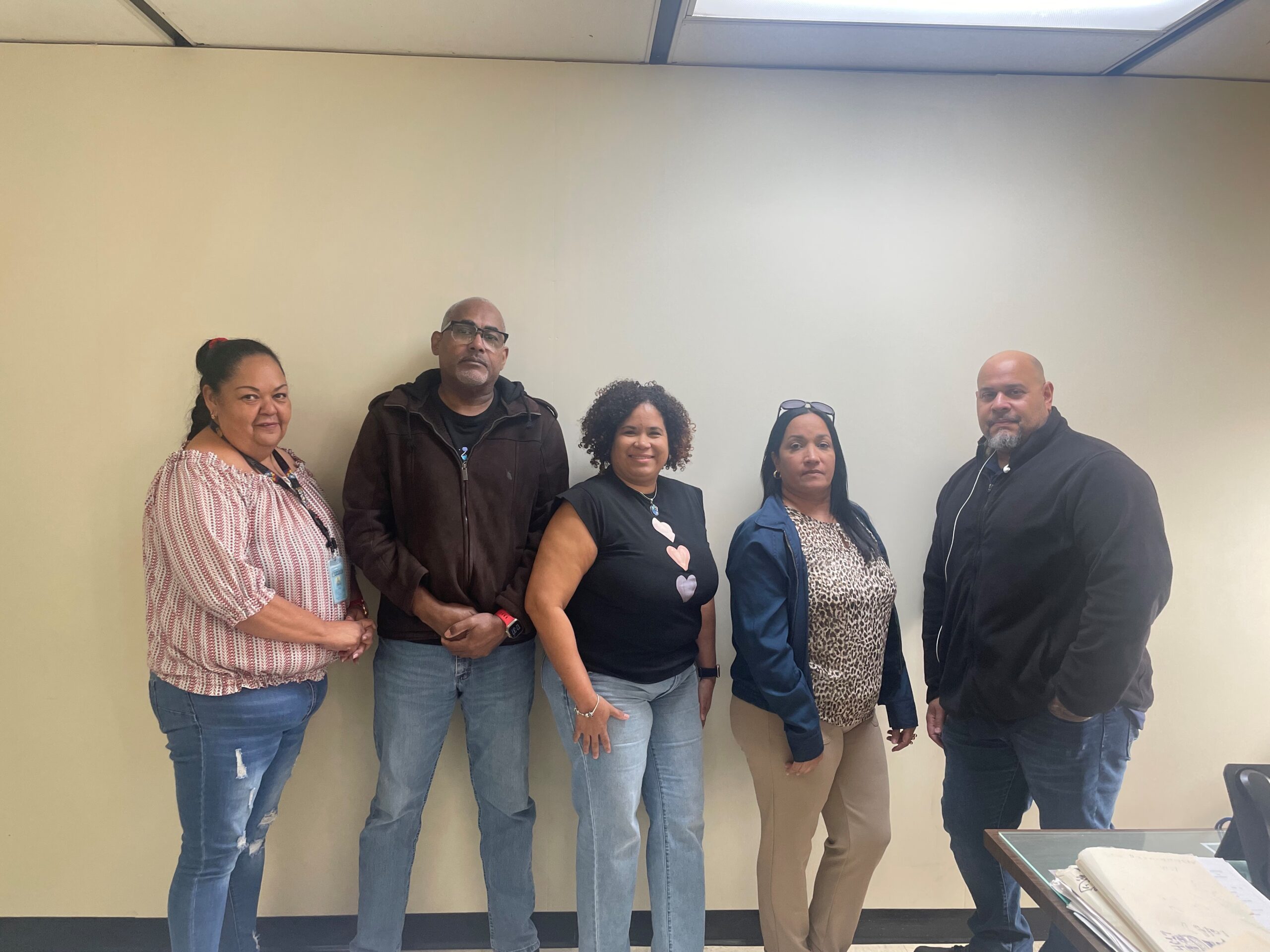
Vanessa Carbonell (center) and other employees of the Puerto Rico Police Bureau won big at the Puerto Rico District Court in September 2024. Their Foundation-won decision forces their employer and the union to stop violating their Janus rights.
SAN JUAN, PR – The National Right to Work Foundation’s 2018 victory at the U.S. Supreme Court in Janus v. AFSCME opened new horizons for employee freedom across the country. For the first time, the Justices recognized that the First Amendment prohibits union bosses from forcing public sector employees to join a union or pay dues as a condition of employment, and that union bosses can only take dues from a worker’s paycheck with their affirmative consent.
Foundation attorneys’ efforts to enforce the landmark decision yielded a big victory this September for a wide swath of civilian employees at the Puerto Rico Police Bureau (PRPB). In a class action federal lawsuit, more than a dozen PRPB employees charged officials of the Union of Organized Civilian Employees with violating their Janus rights by stripping them of an employer-provided health benefit because they refused to join the union.
A recent decision from the District Court of Puerto Rico found in favor of the employees’ arguments, stating that their employer had indeed taken away the health benefit because the employees exercised their right to not join or pay dues to the union.
Scheme Forced Workers to Join Union or Lose Access to Better Healthcare
“This is either retaliation for exercise of non-union members’ post-Janus non-associational rights under the First Amendment under the Constitution or simply discrimination,” said the Court.
According to lead plaintiff Vanessa Carbonell and her colleagues’ original lawsuit, they all exercised their Janus right to opt out of the union at various points after the 2018 Janus decision. They each began noticing that as dues ceased coming out of their paychecks, they also stopped receiving a $25-a-month employer-paid benefit intended to help employees pay for better health insurance.
The lawsuit demonstrated that PRPB officials cut the benefit off to employees who refused union membership — a clear case of discrimination against employees who exercise their First Amendment right to abstain from union affiliation.
Union and Employer Must Stop Discrimination
The District Court’s decision, in addition to declaring that the ploy by PRPB and the Union of Organized Civilian Employees is unconstitutional, orders an injunction to stop PRPB officials from continuing to withhold the benefit from Carbonell and other employees.
“Janus enshrined a very simple First Amendment principle: That union officials need to convince public employees to support their organization and activities voluntarily,” commented National Right to Work Foundation Vice President Patrick Semmens.
20 Wonderful Nurseries Farmworkers Seek to Join Federal Challenge to Biased Pro-Union Boss California Agricultural Labor Law
Filing: UFW union-backed law sweeps workers into union via coercive ‘card check’ scheme and imposes forced dues in violation of First Amendment
Bakersfield, CA (February 5, 2025) – A group of 20 employees of food and drink company Wonderful Nurseries’ Wasco, CA, facility have filed a motion to intervene in a federal lawsuit challenging a California law that will force them under the control of United Farm Workers (UFW) union officials, to whom they have strenuously objected. The employees, who last year were subject to an aggressive “card check” unionization campaign from the UFW, are receiving free legal aid in their effort to defend their rights from National Right to Work Legal Defense Foundation staff attorneys.
The federal lawsuit the workers seek to join was filed by Wonderful Nurseries against the California Agricultural Labor Relations Board (ALRB), and challenges the ALRB’s “mandatory mediation and conciliation” (MMC) process, which follows the ALRB’s highly-suspect certification of the UFW as the monopoly bargaining representative of the workers. The workers were denied intervention in Wonderful Nurseries’ state court lawsuit challenging the card check certification last July, one week before the court enjoined further proceedings based upon the certification. That lawsuit contends that UFW union agents claimed majority support by submitting to the ALRB union authorization cards that they had fraudulently obtained from workers.
As part of their motion to intervene in this new federal suit, the workers have also filed a proposed intervenors’ complaint detailing even more rights violations by the ALRB. The employees’ filing points out that the Wonderful Nurseries workers must be allowed to vindicate their own rights, which are inherently impacted by the lawsuit.
California labor law mandates that the ALRB should immediately certify a union as monopoly bargaining agent if it submits union cards from a majority of workers, even if there are objections as to how the cards were collected. “Card check” denies workers their right to vote in secret on whether they want a union, and instead allows union officials to demand union authorization cards directly from workers. Past Foundation-backed legal action by Wonderful Nurseries employees at the ALRB detailed the threats and discriminatory behavior that union agents used to obtain the cards.
The Wonderful Nurseries employees’ complaint and motion to intervene, filed by Foundation staff attorneys, joins Wonderful Nurseries’ challenge to the “mandatory mediation and conciliation” provisions of California labor law. Those provisions would force UFW officials and Wonderful Nurseries management to finalize a union contract that will almost certainly subject the workers to UFW union boss control for three years and payment of forced union dues as a condition of keeping their jobs.
“[T]he Employees seek this Court’s immediate intervention to protect their fundamental liberty interests, especially their freedom of association between and amongst themselves, and with their employer, and their rights to be free from State-compelled monopoly representation by a labor organization not legitimately chosen by a majority of employees, and from State-mandated payment of union dues or fees,” the complaint reads.
Radical CA Labor Law Violates First Amendment Janus Decision by Imposing Government-Mandated Forced-Dues Contracts on Workers
The complaint points out that state imposition of such a contract on the Wonderful Nurseries farmworkers would harm their First Amendment rights, as spelled out in the landmark Foundation-won Supreme Court case Janus v. AFSCME. “[Janus] barred state-mandated and –enforced forced-unionism schemes,” reads the complaint.
In the 2018 Janus decision, the U.S. Supreme Court ruled that government-enforced union contracts that required state employees to pay union dues or fees as a condition of keeping their jobs are a violation of First Amendment free association principles. In this case, Foundation attorneys argue, the State of California would be compelling Wonderful Nurseries and the UFW union to impose a similar contract over farmworkers – one which would require them to subsidize the union or be fired. For that reason, the state government would be violating the First Amendment in the same way as happened in Janus, Foundation attorneys contend.
Employees: UFW Union Created Atmosphere of Intimidation, Discrimination During Union Campaign
Wonderful Nurseries employees Claudia Chavez and Maria Gutierrez, who are part of the current effort, sought to intervene in this case before the ALRB, following the agency’s certification of the UFW’s dubious claims of majority support. In unfair labor practice charges before the ALRB, Chavez and Gutierrez described multiple fabrications – and even discriminatory behavior – that UFW union bosses used to get employees to sign authorization cards, including “representing that certain COVID-19-related public benefits available to farmworkers required signatures on union membership cards…that union membership cards were not, in fact, union membership cards to be used in any UFW organizing efforts…presenting to strictly Spanish-speaking discriminatees union membership cards only in English…[and] presenting to illiterate discriminatees union membership cards and misrepresenting their content and/or significance.”
“UFW union officials deceived us just so they could gain power in our workplace,” Chavez and Gutierrez commented after filing charges. “Instead of just letting us vote in secret on whether we want a union, they went around lying and threatening to get cards and now are cracking down on anyone who speaks out against the union.”
“Wonderful Nurseries workers, who are desperately trying to defend their freedom from an unwanted UFW union, are finding themselves fighting not only UFW lawyers, but also the full weight of California’s top-down, draconian labor policy,” commented National Right to Work Foundation President Mark Mix. “By granting union bosses the authority to sweep workers under their control with suspect ‘card check’ campaigns, then having the government impose a forced-dues contract over the objection of both workers and businesses, California legislators have created an environment where workers’ individual rights are being crushed to promote raw, unchecked union boss power.”
Chicago 911 Operator Successfully Defends Janus Rights Against IBEW Forced Dues
The following article is from the National Right to Work Legal Defense Foundation’s bi-monthly Foundation Action Newsletter, September/October 2024 edition. To view other editions of Foundation Action or to sign up for a free subscription, click here.
Six years after Janus, union bosses still violating workers’ First Amendment rights, but workers fight back
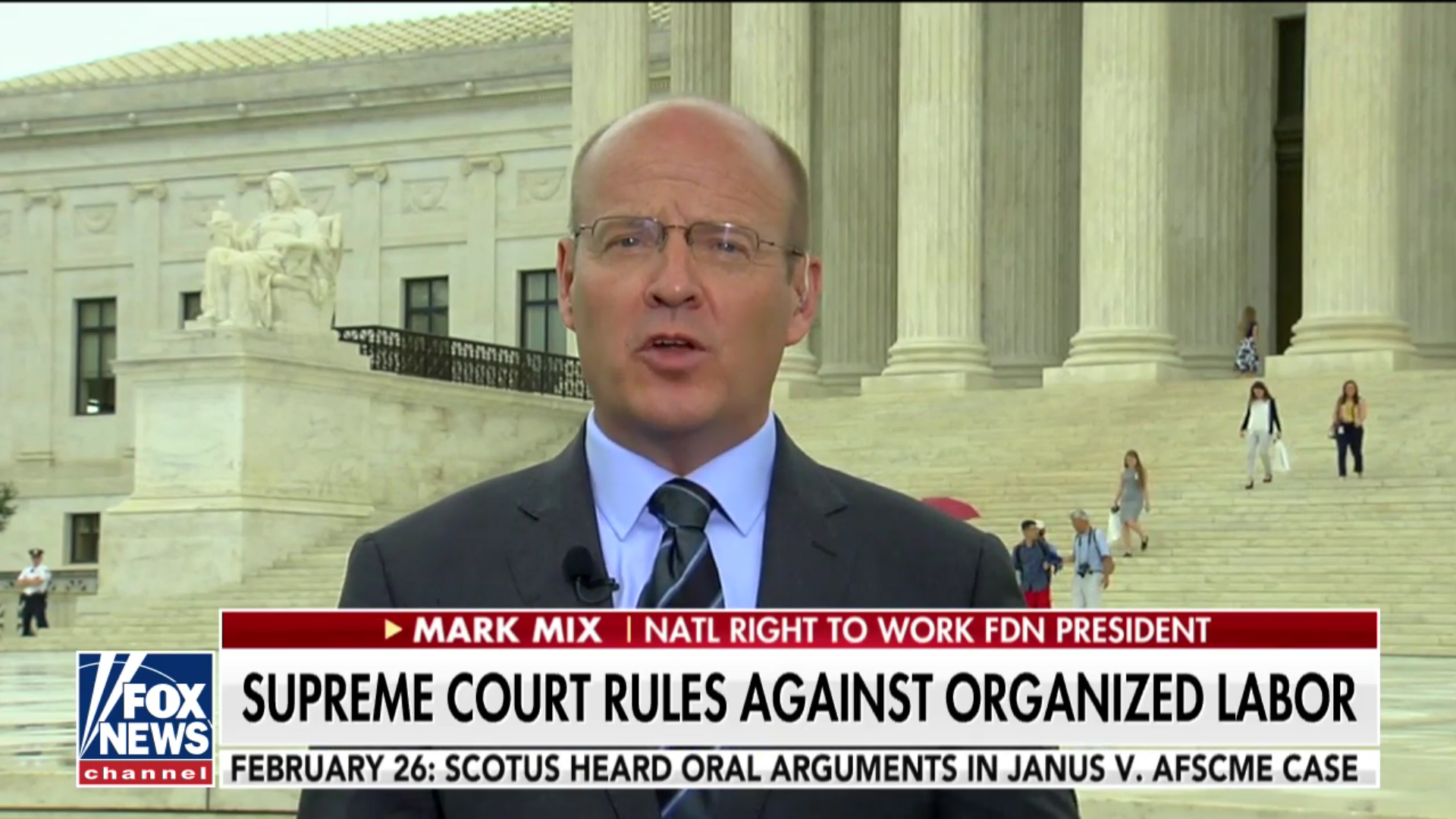
Hundreds of thousands of American public sector workers felt the impact of the Foundation-won Janus decision almost immediately after the Supreme Court decided it in June 2018, and its legacy has only continued to grow.
CHICAGO, IL – “I decided to leave [International Brotherhood of Electrical Workers (IBEW)] 21 because for some time now I believed that IBEW 21 was not acting in the best interest of its members. Be it a new job title that senior employees were deliberately misinformed about, to breach of contract on my employer’s part, to having to navigate the police and court alone after being threatened at work, IBEW 21 was either ineffective or absent.”
This is how Rhonda Younkins, a City of Chicago 911 operator, described the so-called “representation” she and her colleagues were getting from IBEW 21 union bosses. With free legal aid from the National Right to Work Foundation, Younkins in June was able to force IBEW Local 21 officials to return unlawfully deducted dues and cease future payroll deductions.
IBEW Bosses Backed Off Anti-Janus Demands After Foundation Involvement
Younkins was defending her rights under the landmark Foundation-won Janus v. AFSCME Supreme Court decision. In Janus, the justices ruled that the First Amendment forbids union bosses from forcing public sector workers to join or pay dues to a union as a condition of employment. The Justices further clarified that union officials could only take dues from a worker’s paycheck after receiving their clear and affirmative consent.
Younkins repeatedly tried to end dues payments to the IBEW 21 union, but union officials either ignored her requests or tried to foist other demands on her. After many unsuccessful attempts, Younkins sought free legal aid from Foundation staff attorneys, who filed charges against the IBEW union at the Illinois Labor Relations Board (ILRB).
IBEW 21 union officials eventually backed down, ceased dues collections, and issued refunds of past illegally seized dues.
Janus Impact Still Growing
While Younkins’ reasons for defunding IBEW union bosses are unique to her job and experience, she’s certainly not alone in using Janus to break free from union bosses’ influence. After Janus was issued in 2018, an estimated 450,000 public employees immediately stopped payment to unions, and in the six years since then, Foundation-backed litigation has helped defend the rights of tens of thousands of other government employees.
“We at the Foundation are encouraged at the strides workers have made since our Janus victory at the Supreme Court,” commented National Right to Work Foundation Vice President Patrick Semmens. “But the fight is far from over. As cases like Ms. Younkins’ show, union bosses still stonewall public workers when they try to exercise their First Amendment Janus freedoms, and private sector workers don’t yet enjoy similar protections.
“Foundation staff attorneys will keep fighting for a future where all American workers’ right to freely associate or dissociate with a union is fully protected,” Semmens added.
Puerto Rico Police Bureau Employees Win at District Court; Beat Union Scheme That Swiped Health Benefit from Dissenting Employees
Employees successfully defend right under Janus v. AFSCME to refrain from supporting unwanted union
Para leer este articulo en Espanol, haga clic aqui.
San Juan, PR (September 26, 2024) – Eleven civilian employees of the Puerto Rico Police Bureau (PRPB) have won a favorable decision in their federal class action lawsuit against their employer and the Union of Organized Civilian Employees. The lawsuit charged both entities with illegally discriminating against employees by stripping them of an employer-provided health benefit because they refused to join the union. The employees, who argued that this union gambit violated their and other PRPB employees’ First Amendment right to abstain from unwanted union affiliation, received free legal aid in their case from National Right to Work Legal Defense Foundation staff attorneys.
The plaintiffs, Vanessa Carbonell, Roberto Whatts Osorio, Elba Colon Nery, Billy Nieves Hernandez, Nelida Alvarez Febus, Linda Dumont Guzman, Sandra Quinones Pinto, Yomarys Ortiz Gonzalez, Janet Cruz Berrios, Carmen Berlingeri Pabon, and Merab Ortiz Rivera, filed their lawsuit at the U.S. District Court of Puerto Rico in 2022. They invoked their rights under the 2018 Foundation-won Janus v. AFSCME Supreme Court decision, in which the Justices held that compelling public employees to join or fund a union violates the First Amendment. Janus also established that union officials can only take union dues from a public employee who has waived his or her First Amendment right not to pay.
The District Court agreed with the plaintiffs in a September 19 decision. It found that the PRPB had indeed taken away a health benefit from the employees after they exercised their Janus right not to join or pay dues to the Union of Organized Civilian Employees, a union they didn’t want and never asked for. “This is either retaliation for exercise of non-union members’ post-Janus non-associational rights under the First Amendment under the Constitution or simply discrimination,” said the Court.
“The [PRPB] may neither retaliate for disassociation or non-support of the public sector union, nor can it adopt — or as here interpret — a [union contract] in a manner that permits discrimination against non-union members,” the Court continued.
Police Bureau Limited Access to Healthcare Based on Employee Dissent from Union
According to the plaintiff’s original lawsuit, they all exercised their Janus right to opt out of the union at various points after the 2018 Janus decision. They each began noticing that as dues ceased coming out of their paychecks, they also stopped receiving a $25-a-month employer-paid benefit intended to help employees pay for health insurance.
“[T]he Union, through its president, Jorge Méndez Cotto, asked PRPB to stop awarding the $25 monthly additional employer contribution to any bargaining unit member who objected to [forced] membership…,” the complaint said.
“Plaintiffs are ready, willing, and able to purchase additional and higher quality health insurance benefits with the additional employer contribution that is being denied to them,” read the complaint. “But for the above-described discriminatory policy, they would purchase better quality health insurance.”
District Court Decision Orders Union and Employer to Stop Discriminatory Scheme
The District Court’s decision, in addition to declaring that the gambit by PRPB and the Union of Organized Civilian Employees is unconstitutional, orders an injunction to stop PRPB officials from continuing to withhold the benefit from Carbonell and the other employees.
“Janus enshrined a very simple principle: That union officials need to convince public employees to support their organization and activities voluntarily, and using government power to force such support is an obvious infringement of First Amendment free association principles,” commented National Right to Work Foundation President Mark Mix. “Diminishing Ms. Carbonell and her coworkers’ access to healthcare just because they disagreed with the union’s agenda is a heinous violation of that principle, and Foundation attorneys were happy to assist them in their victory over that scheme.”





