
Canton SA Recycling Employees Scrap Steelworkers Union
Recycling workers voted by over 2-1 margin to remove unpopular union, escape forced union payments
Canton, OH (March 20, 2026) – A group of over 40 employees of SA Recycling in Canton have successfully voted Steelworkers union officials out of power at their facility by a wide margin. SA Recycling worker Leslie Frase spearheaded the effort by filing a petition in February in which her coworkers demanded that the National Labor Relations Board (NLRB) hold a union decertification election at their workplace. Frase filed the petition with free legal aid from National Right to Work Foundation staff attorneys.
The NLRB is the federal agency responsible for enforcing private sector labor law, a task that includes administering votes to install (or “certify”) and remove (or “decertify”) unions. Frase’s petition contained more than enough signatures from her coworkers to trigger a decertification vote under NLRB rules. In February, the NLRB approved an agreement that set the election date for March 5, and specified that the vote would take place among “[a]ll full-time and regular part-time production and maintenance employees, including truck drivers.” On March 19, the NLRB certified the vote result, making official the Steelworkers union’s ouster.
Ohio lacks Right to Work protections, meaning Steelworkers union officials had the power to force Frase and her coworkers to pay money to the union hierarchy as a condition of keeping their jobs. In contrast, in Right to Work states like Ohio’s neighbors Indiana, Kentucky, and West Virginia, union membership and financial support are the voluntary choice of each worker. Now that Frase and her coworkers have voted to decertify the union, Steelworkers union officials have lost their power to impose forced-dues contracts on the workers.
“Steelworkers union officials had been in our workplace for quite a while, and did little to improve our working lives. Yet dues money was still coming out of our paychecks to support union activities,” commented Frase. “The fact that we voted the Steelworkers union out by such a wide margin speaks to the fact that employees didn’t think we were getting a good deal. We are very grateful to Foundation attorneys for their assistance.”
The tally of the March 5 vote showed Frase and her fellow SA Recycling workers voting the Steelworkers out 28-12.
Foundation attorneys have noticed a marked increase in worker requests for help in decertifying unpopular unions. NLRB statistics indicate that in 2025 (the last year for which data is available), decertification petition filings are up almost 40 percent from 2020.
“Foundation attorneys were proud to help Ms. Frase and her fellow recycling employees scrap a Steelworkers union they pretty clearly did not want,” commented National Right to Work Foundation President Mark Mix. “However, it’s important to recognize that many employees across the United States have a path to voting out a union that is much more difficult: Many arbitrary Biden-era NLRB rules are still in effect, which give union officials a multitude of ways to stop workers from exercising their right to vote.
“Independent-minded workers across the country are teaming up with Foundation staff attorneys to challenge many of these rules, and the Trump Administration should ensure that the NLRB is well-equipped to reshape labor regulations around employee free choice and not union boss power,” Mix added.
Viking Corporation Employee Slams Steelworkers Union With Federal Charges for “Closed Shop” Firing Threats
Charge: Steelworkers officials’ unlawful dues scheme to automatically deduct money from worker paychecks to support union politicking
Hastings, MI (December 4, 2025) – Kristen Dickinson, an employee of fire sprinkler manufacturer The Viking Corporation, has just hit the Steelworkers union at her workplace with federal unfair labor practice charges. Dickinson filed her charges at the National Labor Relations Board (NLRB) with free legal aid from National Right to Work Foundation staff attorneys.
The charges detail that Steelworkers union officials are unlawfully characterizing Viking as a “closed shop,” where formal union membership is required to avoid termination. The charges further state that union bosses are mandating direct dues deductions from workers’ paychecks as a condition of staying employed.
The NLRB is the federal agency responsible for adjudicating federal labor law, a task that includes adjudicating disputes between employers, union officials, and individual employees. Although the National Labor Relations Act (NLRA) permits union officials in states without Right to Work protections (like Michigan) to enforce contracts that require workers to pay union fees or be fired, U.S. Supreme Court cases like General Motors v. NLRB ban “closed shop” arrangements where formal membership is required to work. Another Supreme Court case, the Foundation-won CWA v. Beck ruling, also established that union bosses can’t compel workers who abstain from formal membership into paying dues for union political expenses.
Federal labor law also forbids requiring workers to authorize direct paycheck deduction of union dues or fees. This means that even when some forced fees can be required, workers retain the option to pay by other methods, like via mailed check. Up until February 2024, Michigan was a Right to Work state, in which all union financial support was the voluntary choice of each individual worker.
Requiring Formal Union Membership Is Still Illegal, Even in Non-Right to Work Michigan
“Steelworkers union bosses are just interested in gaining more power over us and our pocketbooks,” commented Dickinson. “If they really believe they are doing right by us, they shouldn’t feel the need to force everybody to join or trick people into supporting the union’s politics, yet that’s exactly what they’re doing.”
Dickinson’s charges recount that union officials began circulating documents among workers in August, giving them September deadlines to turn in union “checkoff” authorization cards that would permit direct dues deductions from their paychecks. The union documents alleged that workers had to do this “to be in compliance with new contractual closed shop language” (emphasis added).
When Dickinson emailed a Viking HR representative for clarification on her obligations, the HR rep claimed that “Per the new Michigan [Right to Work repeal] law and the Contract…those employees who do not sign the check-off authorization card, will not be allowed to work at Viking.” Dickinson’s charges include a charge against Viking management for repeating the misrepresentations of union officials.
Dickinson’s charges also maintain that Steelworkers union bosses “violated the NLRA because [they] demanded that Charging Party, and all similarly situated nonmember discriminatees, opt-out of paying for political and ideological activities, instead of opting-in to make such political and ideological payments.” Supreme Court precedent, including the Foundation-won Knox v. SEIU case, establish the principle that union officials cannot assume that workers have waived their right to abstain from funding union politics.
“Just because Michigan legislators gave into union political pressure and rammed through a party-line repeal of Michigan’s popular Right to Work law does not mean that union bosses can make any demands of workers that they want,” commented National Right to Work Foundation President Mark Mix. “Michigan workers still have the right to abstain from membership and union political support, and should contact Foundation attorneys immediately if they experience any pushback in their exercise of those rights.”
Hundreds of Sunoco Logistics Drivers Across TX, OK, LA, and NM Free Themselves From Steelworkers Union
Majority of drivers across large work unit backed petition to send USW union bosses packing
Washington, DC (May 20, 2025) – Crude oil drivers for Sunoco Logistics Partners (also known as Energy Transfer) have successfully forced unpopular United Steelworkers (USW) union bosses out of their work unit. The victory for workers comes after Jay Fifer, a driver for the oil transportation company, gathered signatures from the majority of his coworkers on a petition demanding that Sunoco Logistics officials end their recognition of the USW union as the majority “representative” of the drivers.
The National Labor Relations Board (NLRB) acknowledged Sunoco Logistics’ withdrawal of recognition from the USW union on May 12. As the result of Fifer and his coworkers’ effort, over 420 drivers from around 30 Sunoco Logistics facilities across Texas, Oklahoma, Louisiana, and New Mexico are free of the union’s control.
“I’m glad that my coworkers and I were able to band together to force this Steelworkers union out,” commented Fifer. “The union was not a positive force in our workplace, and we are better off without it. I am lucky to live in the Right to Work state of Texas where I could at least choose to stop sending my money to this union while it was still in power, but unfortunately the same can’t be said for all of my fellow drivers.”
The NLRB is the agency charged with enforcing federal labor law in the private sector, which includes administering votes to install (or “certify”) and remove (or “decertify”) unions. Thanks to the 2019 Foundation-won Johnson Controls NLRB decision, workers who want to remove unwanted union officials can also do so by submitting a majority-backed petition asking their employer to stop recognizing the union. If there is a dispute about the petition, the NLRB can administer a secret-ballot vote to test the employees’ opposition to the union.
Fifer lives in Texas, a Right to Work state barring union bosses from enforcing contracts that require employees to pay dues or fees to union officials as a condition of keeping their jobs. Oklahoma and Louisiana are also Right to Work states, but Sunoco Logistics drivers in New Mexico do not have the benefit of Right to Work protections and can be forced to sacrifice part of their paychecks to union bosses or be fired. However, in both Right to Work and non-Right to Work states, federal law lets union officials impose their monopoly “representation” on all workers in a work unit, regardless of whether they support the union or not.
Rank-and-File Oil Truck Drivers Gathered Hundreds of Signatures in Favor of Removing USW
Fifer’s effort to remove the USW union kicked off when he began collecting signatures on a petition asking the NLRB to administer a union removal (or “decertification”) vote at his workplace. Fifer easily met the 30% signature threshold needed to trigger such an election under NLRB rules. However, soon after the NLRB scheduled a decertification vote to take place over a range of dates in May, Fifer’s petition gained even more traction and soon garnered support from a majority of the work unit.
Fifer opted to submit his petition to his employer, who withdrew recognition from the USW union in accordance with the Johnson Controls decision. USW union officials are now stripped of their monopoly bargaining power and can no longer enforce bargaining obligations against Sunoco Logistics.
Foundation staff attorneys have helped several groups of workers exercise their right to remove unwanted USW unions within the last few years, including healthcare workers in Minnesota, metal workers in Pennsylvania, chemical employees in Louisiana, building products employees in New Jersey, and more. Across the country, workers’ desire to exercise their right to vote out unpopular union bosses is increasing: Worker-filed petitions seeking union decertification votes are up more than 50% from 2020, according to NLRB data.
“Rank-and-file workers across the country like Mr. Fifer and his fellow drivers don’t enjoy the same structural and legal advantages that union officials do under American labor law. That makes it all the more impressive that he and his colleagues were able to gather signatures across a huge work unit and break free of the Steelworkers union’s control,” commented National Right to Work Foundation President Mark Mix. “American workers’ increasing interest in escaping union ‘representation’ should serve as a reminder to the Trump Administration that it should pursue labor policy that enhances workers’ freedom to escape unwanted union affiliation.”
Energy Transfer Drivers Across Texas, Oklahoma, and Louisiana Demand Vote to Remove Steelworkers Union From Power
Hundreds of employees of oil and gas transportation company could be free from union’s grip if vote goes forward
Washington, DC (April 21, 2025) – Drivers for Energy Transfer, an oil and gas transportation company with nearly 30 facilities across Texas, Oklahoma, and Louisiana, are petitioning a federal labor board for a vote to end United Steelworkers (USW) union officials’ bargaining control over their work unit.
Driver Jay Fifer, who is based at Energy Transfer’s workplace in Hearne, TX (near College Station, TX), submitted the petition to the National Labor Relations Board (NLRB) this week with free legal aid from the National Right to Work Legal Defense Foundation. If Fifer and his coworkers’ requested vote is successful, over 420 Energy Transfer drivers will be free of USW union officials’ control.
The NLRB is the agency charged with enforcing federal labor law in the private sector, which includes administering votes to install (or “certify”) and remove (or “decertify”) unions. Fifer’s petition contains signatures from his coworkers well in excess of the percentage required by the NLRB to trigger a union decertification vote within his work unit. The NLRB will now review Fifer’s petition.
Right to Work laws in Texas, Oklahoma, and Louisiana prohibit USW union officials from enforcing contracts that require Energy Transfer drivers to pay union dues or fees just to get or keep a job. In contrast, in non-Right to Work states, union officials can force workers to pay dues or fees on pain of termination. However, in both Right to Work and non-Right to Work jurisdictions, USW union officials can still impose monopoly bargaining contracts over every employee in a work unit, whether or not they voted for or support the union. As Fifer’s case demonstrates, union-controlled work units can often span hundreds of workers in different cities or even across state lines.
“Support among us drivers for this Steelworkers union is very low where I work. My colleagues at other locations have said similar things as well. It’s not fair for Steelworkers officials to dictate major things about our work lives when very few drivers at all are union members,” commented Fifer. “I filed this petition because I firmly believe that the overwhelming majority of my coworkers don’t think this union represents us, and we hope the NLRB lets us exercise that right without any delays.”
Workers Across Country Increasingly Seeking Exit from Union Control
Foundation staff attorneys have helped several groups of workers oust unwanted USW unions within the last few years, including healthcare workers in Minnesota, metal workers in Pennsylvania, chemical employees in Louisiana, building products employees in New Jersey, and more. Across the country, workers’ desire to exercise their right to vote out unpopular union bosses is increasing: Worker-filed petitions seeking union decertification votes are up more than 50% from 2020, according to NLRB data.
“American workers should not have to accept the ‘representation’ of a union that lacks worker support in the workplace, and more and more workers are standing up to free themselves,” commented National Right to Work Foundation President Mark Mix. “That’s why it’s important that they be able to freely exercise their right to vote to remove a union, a right that unfortunately was consistently under attack under the previous Administration’s National Labor Relations Board.
“As President Trump seeks new appointees for the NLRB, he should remember that workers all over the country like Mr. Fifer and his colleagues believe they are better off free from union influence, and those workers deserve to have their voices and will respected,” Mix added.
Overwhelming Majority of Bethlehem, PA, Hygrade Metal Workers Vote to Remove Steelworkers Union Bosses
With landslide 15-3 vote against union, Hygrade workers join other PA-based metal workers who ousted the Steelworkers union this year
Bethlehem, PA (November 10, 2023) – Metal workers at Hygrade Metal Moulding Manufacturing, a Bethlehem-based metal fabricator, have voted 15-3 to remove unpopular Steelworkers union officials from their facility. The National Labor Relations Board (NLRB) held the election on November 9 at Hygrade’s headquarters. Following the NLRB’s certification of the vote, the Steelworkers union will lose its monopoly bargaining control over the Bethlehem facility.
The election follows Hygrade employee Michael Soto’s submission of a majority petition last month asking the NLRB to conduct an election to oust the union – also known as a “decertification vote” – at his workplace. He received free legal aid in submitting his petition from the National Right to Work Legal Defense Foundation.
Because Pennsylvania lacks Right to Work protections for its private sector employees, Steelworkers union officials entered into agreements that forced Soto and his coworkers to pay union dues just to keep their jobs. In Right to Work states, in contrast, union membership and all union financial support are strictly voluntary. However, in both Right to Work and non-Right to Work states, union officials can impose their monopoly bargaining powers over every employee in a work unit, even those who voted against the union or oppose its presence. A successful decertification vote strips union officials of this privilege.
“Steelworkers union officials didn’t stand up for our interests, yet they still had control over our workplace and were taking our dues money,” commented Soto. “My coworkers threw big support behind the petition, and now we have freed ourselves from the Steelworkers, as is our right under federal law.”
Steelworkers Already Faced Overwhelming Rejection by NW Pennsylvania Metal Workers Earlier This Year
Soto and his coworkers’ Foundation-backed election victory is the second rejection that Pennsylvania Steelworkers union officials have had to face this year. In January, Latrobe Specialty Metals workers in Venango County, PA, successfully booted out Steelworkers union officials who tried to ratify an unpopular contract with the employer behind the workers’ backs. The maneuver was meant to manipulate a non-statutory NLRB policy known as the “contract bar” to keep the union in power despite workers’ vote to remove it. The NLRB eventually rejected this gambit, and other union objections to the election result didn’t succeed. The Latrobe Specialty Metals workers were then free of the unwanted union.
Biden NLRB Putting More Restrictions on Workers’ Right to Remove Unions
Soto and his coworkers’ victory comes as the Biden NLRB in Washington, D.C., is attempting to make it more difficult for workers to exercise their right to remove unwanted unions, while giving union officials more tools to gain power in a workplace without even a vote. The NLRB is expected to soon issue a final rule overturning the Election Protection Rule, a Foundation-backed 2020 reform which made commonsense improvements to the decertification process.
The Biden NLRB’s proposed rule, among other things, will give union bosses the power to use “blocking charges,” or unproven allegations of employer misconduct, to prevent workers from voting to decertify a union. The proposed rule will also strip workers of the ability to file for a secret ballot election after a union installs itself via “card check,” a coercive process that bypasses the NLRB’s standard election process and instead permits union bosses to collect cards from workers (often through strong-arm tactics) that are counted as “votes” for the union.
“National Right to Work Foundation staff attorneys are proud to help workers exercise their free choice rights and vote out union officials that don’t serve their interests,” commented National Right to Work Foundation President Mark Mix. “While we’re happy that Mr. Soto and his coworkers have ousted a union they don’t want, that right is at risk as the Biden Administration is charging forward on giving its union boss political allies more tools to maintain their forced-representation and forced-dues powers over workers – just ahead of the 2024 election.”
With Foundation Aid, Mayo Clinic Nurses Defeat Forced Union Dues Requirement
The following article is from the National Right to Work Legal Defense Foundation’s bi-monthly Foundation Action Newsletter, March/April 2023 edition. To view other editions of Foundation Action or to sign up for a free subscription, click here.
Nurses’ ultimate goal is to end Steelworkers union bosses’ so-called ‘representation’ completely
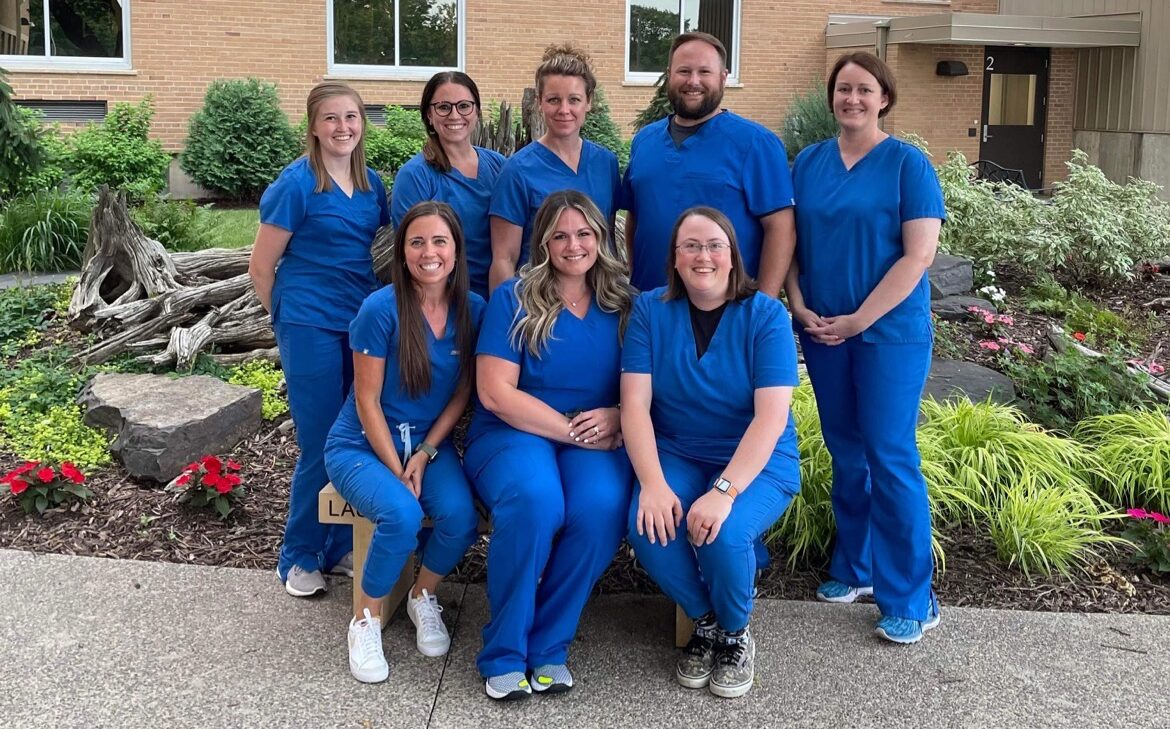
Austin, MN, Mayo nurse Erin Krulish and her coworkers hope to soon join Mankato, MN, Mayo nurses (above) in removing unwanted union “representation” from their facility.
AUSTIN, MN – Nurses at the Mayo Clinic Health System in Austin, Minnesota, recently voted overwhelmingly in a deauthorization election to end the power of United Steelworkers (USW) union officials to require nurses to pay up or be fired. The workers filed the deauthorization petition with National Labor Relations Board (NLRB) Region 18 with free legal representation from National Right to Work Legal Defense Foundation staff attorneys.
“We are so happy with the way the election turned out,” Mayo Clinic Austin nurse Erin Krulish commented. “I think it really shows that all of us came together to show the union that we don’t want to keep paying them when they are doing nothing for us.”
Krulish filed the deauthorization petition for her coworkers seeking to end the so-called “union security clause” that authorizes USW union bosses to have nurses fired for refusing to financially support union activities. The request seeking the vote to end United Steelworkers union officials’ forced-dues powers at Mayo Clinic Austin was signed by 49 of the 66 workers, well over the number required to trigger the NLRB-supervised election.
Ending Forced Dues Comes as Nurses Wait for Vote to Formally Remove Union
Minnesota is not a Right to Work state, meaning all workers in a unionized workplace can be required to pay dues or fees to a union as a condition of keeping their jobs. However, federal law does allow workers to hold deauthorization votes to end union officials’ legal authority to force workers to “pay up or be fired,” although winning such a vote can often be an uphill battle as independent workers have to take on professional forced-dues-funded union organizers.
The overwhelming 49-17 vote against mandatory union payments came as the nurses wait for the opportunity to end USW officials’ so-called “representation” at the facility completely, a process known as decertification. “We plan to decertify come next December when our contract is up and we are ready for another fight!” Krulish said following the deauthorization victory.
Currently, the non-statutory NLRB-invented “contract bar” doctrine blocks workers from holding a decertification vote to remove a union’s monopoly representation powers for up to three years when a union boss-imposed contract is in effect. Consequently, a deauthorization vote, which isn’t limited by the contract bar, was the nurses’ only option. If the nurses at the Austin Mayo Clinic do decertify as they plan, they will join Minnesota nurses at Mayo Clinic Mankato and Mayo Clinic St. James who voted to oust union officials from their hospitals in the last six months.
“No worker anywhere should be forced under so-called union ‘representation’ they oppose,” commented National Right to Work Foundation President Mark Mix. “So while we’re pleased Ms. Krulish and her coworkers were victorious against the Steelworkers union, this case also shows why it is past time to end the NLRB-sanctioned ‘contract bar’ which traps workers in union ranks they oppose for years at a time.”
“Ultimately, Minnesota needs a state Right to Work law to ensure that every individual worker has the freedom to decide whether or not to financially support a union, even those who can’t overcome the hurdles required to successfully navigate the complicated deauthorization process,” added Mix.
Virginia, Kentucky Workers Slam Union Officials with Charges for Illegal Dues Deductions
The following article is from the National Right to Work Legal Defense Foundation’s bi-monthly Foundation Action Newsletter, January/February 2023 edition. To view other editions of Foundation Action or to sign up for a free subscription, click here.
Union bosses seized full dues over employees’ clear objections, despite state Right to Work laws

“[I]t is time union officials accept that ‘no means no,’” said Buitoni employee Steven Ricketts, who is fighting to stop all dues as provided by Virginia’s Right to Work law.
DANVILLE, VA – For workers under the protection of Right to Work laws, union membership and financial support are supposed to be strictly voluntary. However, as recent cases brought with Foundation legal aid for workers in Kentucky and Virginia demonstrate, even in the 27 states that currently have Right to Work laws, union bosses will often attempt to illegally seize dues over workers’ objections.
“Living in Right to Work Virginia, it is outrageous that we need to take legal action just to stop union dues from being seized against our will,” commented Steven Ricketts, one of two employees at Buitoni Food Company who recently filed charges against United Steelworkers (USW) Local 9555. “I don’t want my money supporting the United Steelworkers union, and it is time union officials accept that ‘no means no’ when a worker resigns from the union and revokes their dues authorization.”
Ricketts and fellow employee Donald Hale each hand-delivered letters to both USW union officials and to their employer, formally resigning their union memberships and revoking their dues check-off authorizations.
Steelworkers Bosses Ignore 75-Year-Old Virginia Right to Work Law
After the workers’ letters were delivered, dues deductions briefly stopped only to quickly resume. In the case of Ricketts, Buitoni Food Company not only restarted union dues deductions but also deducted double the dues amount in a subsequent paycheck. Deductions from Mr. Hale’s paycheck also resumed without his authorization after a short period.
Mr. Ricketts sent an email to the company’s human resources department after the dues seizures restarted and was told to contact union officials about it. Each employee sent another letter to the United Steelworkers union, specifically requesting copies of their dues check-off authorizations. However, money continues to be deducted without their consent and without the union officials producing copies of the authorizations that are legally required before any such deductions can occur.
Eventually the workers filed unfair labor practice charges against both the USW and their employer for their respective roles in the unauthorized union dues deductions.
Regarding the Foundationbacked charges, Hale noted: “I’m grateful for the National Right to Work Foundation assistance in enforcing my legal rights, but it really shouldn’t take a federal case to cease the collection of union dues.”
Meanwhile in neighboring Kentucky, Shiphrah Green, who works at Ford’s Louisville Assembly Plant, filed similar charges with the National Labor Relations Board (NLRB) against the United Automobile Workers (UAW) Local 862 union, as well as the UAW international union and Ford, for illegal union dues deductions.
Kentucky Autoworker Hits UAW Union with Federal Charges
Green notified both Ford and UAW union officials in April 2022 that she was resigning her union membership and cutting off all union dues deductions from her wages, as is her right under Kentucky’s Right to Work law. Instead of honoring her request, Green instead received an email from UAW Local 862’s president notifying her that Green needed to be shown the allegedly “correct” method to leave the union.
During a subsequent meeting with union officials at the UAW union hall, UAW officials subjected Green to interrogation about why she wanted to leave the union, and also demanded she sign a letter listing “benefits” Green would supposedly forgo if she went through with exiting the union. Longstanding NLRB precedent makes such restrictions on resignation illegal, as was the UAW Local 862 president’s coercive statement to Green that “if it were up to me, you’d lose your job for leaving the union.”
Despite Green’s resignation and requests to cut off union dues, UAW and Ford did not stop dues deductions. While Green continued trying to get Ford management to end the dues deductions, her efforts proved futile, as Ford officials gave her several confusing responses and even told her that she could only cease dues deductions in February 2023, even though the previously authorized dues deduction document could be revoked at will.
Finally, after getting the runaround from both Ford and the UAW, Green filed charges with the NLRB in October using free legal aid from the National Right to Work Foundation. As this issue went to print, Labor Board regional officials were conducting an investigation to see if Ford and the union should be prosecuted for illegal dues seizures.
Foundation Attorneys Play Essential Role in Limiting Union Boss Power
“As thousands of Foundation cases have demonstrated — whether in Right to Work states or forceddues jurisdictions, or whether litigated for government employees or private sector workers — limits on union bosses’ power to seize money from workers mean little if they aren’t enforced,” commented National Right to Work Foundation Vice President Patrick Semmens.
“Virginia has had a Right to Work law on the books for over 75 years, while Kentucky’s Right to Work law is barely over five years old, but in both commonwealths, union bosses are illegally seizing union dues,” added Semmens. “These cases show why defending and enforcing workers’ Right to Work protections has been and will remain a top priority of the Foundation.”
Workers Nationwide Continue Efforts to Oust Steelworkers Officials
The following article is from the National Right to Work Legal Defense Foundation’s bi-monthly Foundation Action Newsletter, January/February 2023 edition. To view other editions of Foundation Action or to sign up for a free subscription, click here.
Successful ousters in Louisiana and New Jersey emphasize importance of protecting worker votes
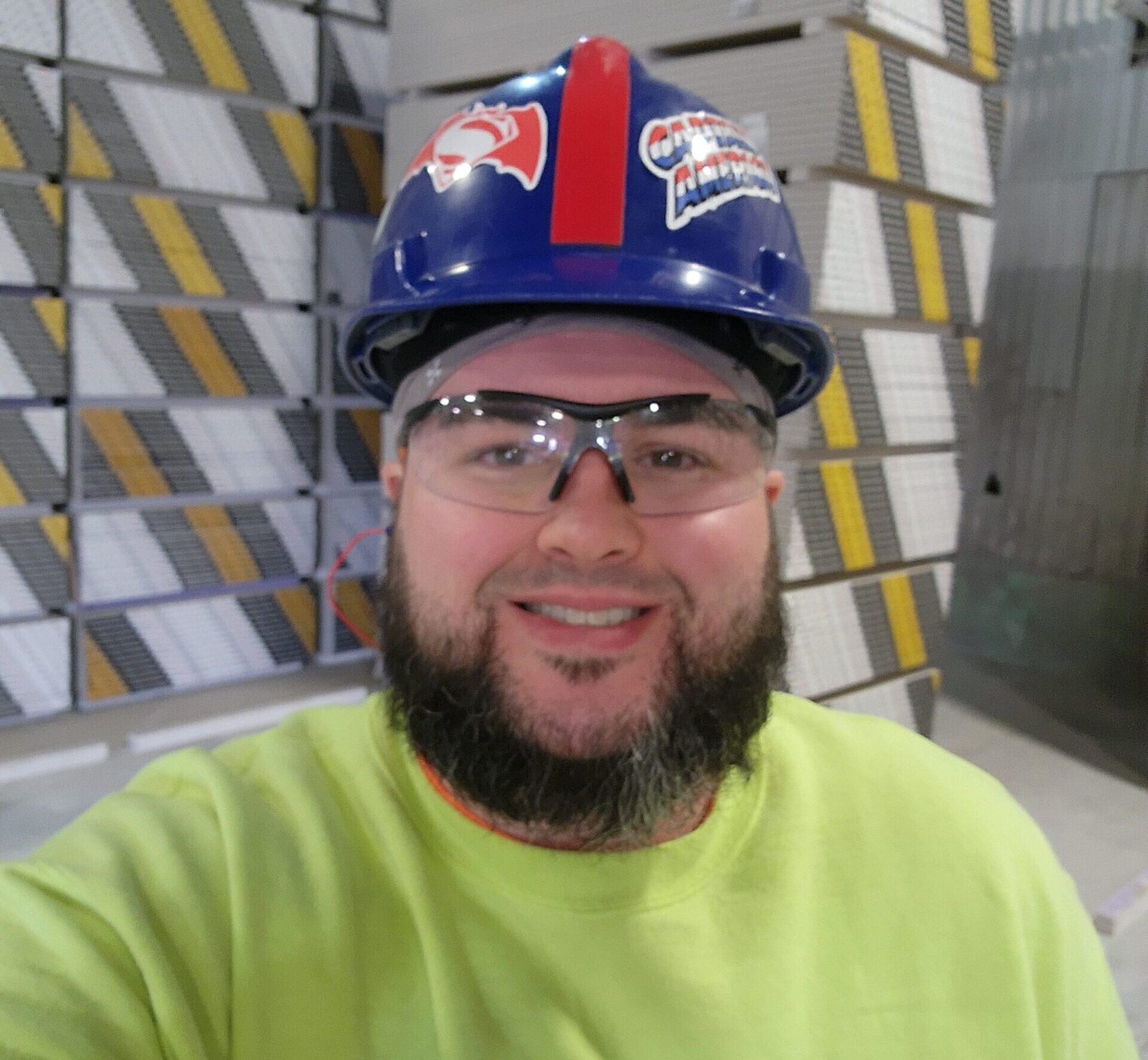
Michael Cobourn and his coworkers were forced to pay union dues while USW union bosses seemed to be loafing it at their workplace. With Foundation aid, they ousted the union.
WASHINGTON, DC – In the space of just a month, National Right to Work Legal Defense Foundation staff attorneys successfully aided groups of workers in New Jersey and Louisiana in voting out United Steelworkers (USW) union officials they opposed. The National Labor Relations Board (NLRB) certified both votes.
In Louisiana, Ryne Fox led his coworkers at GEO Specialty Chemicals to a decisive victory over USW officials, while Michael Cobourn did the same with his fellow workers at Gold Bond Building Products in New Jersey.
Both cases demonstrated the struggles workers face when seeking to “decertify” union officials whom they no longer want in power. In Louisiana, Fox had to time the filing of his coworkers’ petition seeking a decertification vote to fall within a tiny window of days imposed by the “contract bar,” a union boss-friendly NLRB policy that protects union officials from being voted out of a workplace for up to three years after union bosses and management finalize a contract.
Cobourn and his colleagues, in addition to having to deal with the “contract bar,” work in the non-Right to Work state of New Jersey — meaning they were forced to pay money to the union just to keep their jobs during the entire time they were forbidden by the “contract bar” from ejecting the union. In contrast, Right to Work states protect private sector workers from being fired merely for refusal to pay dues or fees to union officials of whom they disapprove. “My coworkers and I were paying money to the Steelworkers union constantly, yet the union didn’t seem to be doing anything for us,” commented Mr. Cobourn.
Although the efforts in Cobourn’s and Fox’s workplaces are evidence that Steelworkers union officials nationwide place their own interests above the workers they claim to “represent,” the most heinous example of such behavior is ongoing in Franklin, Pennsylvania.
There, Foundation-assisted metal workers at Latrobe Specialty Metals/Carpenter Technology are holding their own in defending their decertification petition against Steelworkers officials’ claims that the “contract bar” should invalidate the petition.
PA Workers Score Victory in Fight Against Election-Blocking Steelworkers Chiefs
While invoking the “contract bar” alone is anti-worker, Steelworkers officials in Pennsylvania claimed that a contract they unilaterally “ratified” this past summer after workers had voted against it twice should trigger the “contract bar.” Steelworkers officials had even told workers that the contract would only be “activated” if workers voted for it. But once they got wind of the workers’ decertification push, the officials “ratified” the unpopular contract secretly so they could, as one union official outrageously said during a hearing, “protect the integrity of the union.
Foundation staff attorneys representing the employee who submitted the petition, Kerry Hunsberger, have so far beaten back union officials’ attack on worker free choice. On November 18, 2021, an NLRB Regional Director rejected union bosses’ attempt to block the vote and ordered that an election proceed.
‘Contract Bar’ Encourages Union Officials to Impose Unpopular Contracts
“Workers across the country are increasingly exercising their right to vote out union officials they oppose, and we at the Foundation are happy to aid them,” commented National Right to Work Foundation President Mark Mix. “However, we’re also acutely aware of the obstacles that stand in the way of this freedom, and one of those, which Steelworkers officials seem to have no reservations about exploiting, is the ‘contract bar.’”
“The unjustified ‘contract bar’ is always wrong because it prevents workers from voting out unions they oppose when they want. But even worse, this NLRB-invented doctrine actually incentivizes union officials to rush and impose unpopular, self-serving contracts for the very purpose of insulating the union’s forced representation powers from a vote of the workers union officials claim to ‘represent,’” Mix added.





