
New Jersey Cannabis Workers Beat Union Abuse and Delay Tactics, Win Freedom in Decertification Election
After nearly two year delay, Labor Board certifies vote to remove unwanted UFCW union originally installed in abuse-prone “card check” process
New Jersey (July 14, 2026) – Employees of Green Thumb Industries have finally regained their freedom, removing United Food and Commercial Workers (UFCW) Local 360 union officials from their workplace. This comes over 21 months after an initial petition was filed by Michael Potter, a Lead Warehouse Technician for Green Thumb, on behalf of his coworkers at four locations across New Jersey.
With assistance from National Right to Work Foundation staff attorneys, Potter filed the petition for a “decertification” election with the National Labor Relations Board (NLRB) in October of 2024. The NLRB is the federal agency responsible for enforcing federal labor law, a task that includes administering elections to install (or “certify”) and remove (or “decertify”) unions.
The election was finally certified on July 14, 2026, freeing approximately 270 workers from UFCW union officials’ monopoly bargaining power, which is the government-granted power to represent every worker in a unit, regardless of whether they support the union. The workers voted 94-13 against the union. Union officials challenged ballots cast by 74 other employees causing them not to be counted, but not enough to change the outcome of the vote.
“The UFCW did not advance our interests here, and many of us believed we would be better off without them,” said Potter. “This was our opportunity to exercise the right to a secret-ballot election, which was denied to us when the union was installed. We are grateful the votes were finally counted, and we have determined for ourselves what the majority of Green Thumb employees want.”
Process Mired by Union Abuse Tactics from Beginning to End
Potter and his coworkers were angry that the union had been installed via an abuse-prone process called a “card check,” wherein union officials can bypass the secret-ballot election process that has long been recognized as the most secure and reliable way to determine if a majority of employees want to unionize. During card check drives, union officials can repeatedly solicit and pressure workers face-to-face, demanding they sign union authorization cards in front of union organizers, with those cards then counted as “votes” to impose the union on workers. Unsurprisingly, without the privacy of the secret ballot, such card check drives regularly result in union coercion, intimidation tactics, lies, or even sometimes threats of violence.
After Potter filed the decertification petition, local UFCW bosses opposed a stipulated election agreement they themselves had initially signed. Foundation staff attorneys won on that issue with the NLRB Regional Director, and the election was held on November 7 and 8, 2024.
However, union officials immediately threw up another road block by filing so-called “blocking charges,” which are disingenuous charges of misconduct against the employer. These charges often have nothing to do with the election, but because of NLRB rules not found anywhere in federal law, they prevent the votes from being counted. This issue was finally settled in 2026, which triggered the opening and counting of the ballots on June 29, with the certification issued on July 14.
“We are proud to have assisted the workers at Green Thumb Industries as they fought for their right to a secret-ballot election; however, workers should not have to wait the better part of two years just to have their votes counted,” commented National Right to Work Foundation President Mark Mix.
“This case demonstrates why the NLRB needs to take action to defend employees’ legal right to free themselves of unwanted unions, including by eliminating non-statutory rules, such as the current ‘blocking charge’ policy that lets union bosses trap workers in union ranks, no matter how overwhelming the opposition to the union is,” added Mix.
Phoenix Logistics Workers Send Teamsters Bosses Packing With Successful Petition for Decertification
Medical equipment operators supporting Fort Dix overwhelmingly vote out Teamsters Local 35 after being ignored for years
Fort Dix, NJ (July 6, 2026) – Employees at Phoenix Logistics, LLC in Fort Dix have successfully regained their independence from International Brotherhood of Teamsters union bosses. This came as a result of employee Nicholas Rapa filing a petition with the National Labor Relations Board (NLRB), which called for a “decertification” election to remove Teamsters Local 35 as the exclusive bargaining “representative” of Rapa and his coworkers, medical equipment operators assigned to Fort Dix for training.
The NLRB is the federal agency responsible for enforcing federal labor law, a task that includes administering elections to install (or “certify”) and remove (or “decertify”) unions. The petition, which Rapa filed with assistance from National Right to Work Foundation staff attorneys, surpassed the threshold of signatures necessary to trigger a decertification vote.
The election was administered on June 17, and the vast majority of workers voted to remove Teamsters bosses from power. New Jersey does not have state Right to Work protections, which means the union bosses at Phoenix Logistics were able to exercise both of their government-granted forced unionism powers: the ability to force workers into a contract they may not want (monopoly bargaining), and the ability to force workers to pay dues or fees to the union in order to keep their jobs (forced dues).
Successful Decertification Latest Blow to Teamsters Power
The election was certified by the NLRB on June 26, meaning that Rapa and his coworkers are now officially free from both of these abuses by Teamsters union officials. This comes after officials from Teamsters Local 35 had neglected these employees, despite supposedly “representing” the workers for over five years.
In the last few years, decertification efforts have been on the rise. This successful petition was the latest in a long line of decertification efforts specifically against Teamsters officials. Recent NLRB statistics suggest no union faces more decertification petitions than the Teamsters.
“Around the country, workers are questioning union bosses’ priorities, as those officials demonstrate that they are out of step with the needs of the workers they supposedly ‘represent,’” said National Right to Work Foundation President Mark Mix. “We are proud to have supported Mr. Rapa and his coworkers as they exercise their individual right to refuse union power.”
New Jersey Wells Fargo Bank Employees Formally Oust CWA Union Bosses
Branch is the latest in growing movement by Wells Fargo employees endeavoring to end union affiliation
Seaside Park, NJ (April 27, 2026) – Employees at Wells Fargo’s Seaside Park branch have successfully removed Communications Workers of America (CWA) union bosses from their workplace. The effort to remove the union was initiated when bank employee Lisa Sholtis filed a petition with the National Labor Relations Board (NLRB) seeking a “decertification” election to remove CWA union officials from the Seaside Park Wells Fargo location. Sholtis filed the petition for her coworkers with free legal aid from the National Right to Work Foundation.
The NLRB is the federal agency responsible for enforcing federal labor law, a task that includes administering elections to install (or “certify”) and remove (or “decertify”) unions. Sholtis’ petition was signed by enough of her Wells Fargo coworkers to prompt the NLRB to schedule a union decertification vote.
The workers requested that the NLRB schedule a secret-ballot election among all full-time and regular part-time tellers and personal bankers employed by Wells Fargo at the Seaside Park branch. The workers were looking to vote on whether to remove the so-called “Wells Fargo Workers United” union (an affiliate of the CWA union).
However, shortly before the election was scheduled by the NLRB, CWA union bosses declared that they “disclaim interest” in the Seaside Park Wells Fargo employees. CWA union officials, possibly anticipating an embarrassing election loss, abandoned their status as the workers’ so-called “representatives.”
“After nearly two years with the CWA doing little to nothing for employees at the Seaside Park Branch, we finally have our branch back,” stated Sholtis.
New Jersey is one of the 24 states without Right to Work protections that make union affiliation and dues payment fully voluntary, meaning that Sholtis and her coworkers could have been forced to pay union dues or fees to union officials or else be fired once the employer entered into a union agreement with CWA.
The Seaside Park workers are the latest in a growing movement of Wells Fargo employees across the nation seeking to cast off their CWA “representatives.” Last month, Foundation-assisted Wells Fargo employees in Spring Hill, Florida, and Casper, Wyoming, filed respective petitions to remove the CWA from their branches. More requests for help continue to come in.
In Spring Hill, Florida, CWA union bosses similarly moved to “disclaim interest” in the bank workers, removing themselves as the employees’ monopoly bargaining “representatives,” rather than facing a potentially humiliating decertification vote. In Casper, Wyoming, CWA union officials are seeking to disenfranchise employees by preventing them from even holding the vote. In yet another decertification effort, last month Wells Fargo employees in Apex, North Carolina, overwhelmingly voted to remove CWA union officials from their branch.
“We are pleased to be able to support Ms. Sholtis and her coworkers as they exercise their legal right to remove unwanted CWA union bosses,” commented National Right to Work Foundation President Mark Mix. “As the movement by Wells Fargo employees to eject the CWA spreads, the Foundation is ready to assist them in exercising their rights under federal law to hold votes to remove the unwanted union.”
Hundreds of OH Workers Exit Teamsters as Union Bosses’ Amazon ‘Strike’ Stunt Flounders
The following article is from the National Right to Work Legal Defense Foundation’s bi-monthly Foundation Action Newsletter, March/April 2025 edition. To view other editions of Foundation Action or to sign up for a free subscription, click here.
Teamsters O’Brien tried to take away Christmas cheer, but couldn’t take away Ohio workers’ freedom

Daniel Caughhorn led a scrappy group of his coworkers in voting Teamsters bosses out of their workplace, a scrap metal processing facility in Toledo, OH. They also beat back union bosses’ attempts to overturn their vote.
WASHINGTON, DC – This past December, Teamsters President Sean O’Brien announced the “largest-ever strike against Amazon,” claiming that thousands of workers would heed his strike order, abandon their delivery vehicles and hit the picket lines. O’Brien threatened that Christmas gifts would be delayed unless his demands were met.
Those who took O’Brien’s rhetoric at face value would have thought he was a veritable Grinch stealing Christmas (even though he tried to explain it was Amazon’s fault that the strike had to occur). But even reporting from pro-Big Labor outlets soon revealed that the order was more story than substance: According to Labor Notes, only about 600 employees obeyed the strike order despite Teamsters honchos claiming to “represent” some 7,000 to 10,000 Amazon employees.
Even the small number who did cease work on O’Brien’s command are arguably not employees of Amazon, and likely aren’t under Teamsters control at all: They work primarily for independent contractors that carry out some delivery functions for Amazon. Even if O’Brien’s dubious theory claiming he had control over those delivery drivers was correct, it would have only affected 10 out of the roughly 110 Amazon centers nationwide. Still, National Right to Work Foundation staff attorneys put a special legal notice out to delivery drivers nationwide informing them of their rights if they were illegally coerced to strike.
Workers Defeat Cynical Attempt by Teamsters to Overturn Vote
The December 2024 Teamsters “strike” against Amazon may go down in history as a strained publicity stunt. But the more significant Teamsters news that month was that hundreds of Foundation-backed workers across Northern Ohio took real action by voting to free themselves from unwanted Teamsters officials’ so-called “representation.”
Dusty Hinkle, an employee for Frito-Lay’s plant in Wooster, OH, and Daniel Caughhorn, a worker at scrap metal firm Omnisource’s facility in Toledo, OH, paved the way to freedom for their coworkers by submitting petitions asking the National Labor Relations Board (NLRB) to hold votes among their coworkers to remove or “decertify” Teamsters unions at their facilities. They submitted these in October and August 2024, respectively, with free Foundation legal assistance.
Because Ohio lacks Right to Work protections for its private sector workers, Teamsters officials enforced contracts that required Hinkle, Caughhorn, and their colleagues to pay union dues or fees as a condition of keeping their jobs. In contrast, in Right to Work states, union membership and all union financial support are strictly voluntary.
The NLRB, the federal agency that enforces federal labor law, administered decertification votes at Hinkle’s and Caughhorn’s workplaces after finding that both petitions contained enough employee signatures to trigger a vote under agency rules. Even though clear majorities of workers voted against Teamsters union control in both votes, Teamsters union officials filed objections alleging misconduct by Frito-Lay and Omnisource management in an attempt to overturn the election results.
However, in both cases regional NLRB officials tossed the union objections and certified the workers’ votes. The Omnisource and Frito-Lay employees — over 430 in total — thereby cut all ties with the Teamsters unions. Now both sets of employees are free both of union bosses’ forced-dues demands and their ability to impose one-size-fits-all contracts on the workplace.
In the final months of 2024, Foundation attorneys assisted a number of other workers from across industries with efforts to remove unwanted Teamsters officials. From just October to December 2024, truck drivers from Georgia, California, Virginia, and New Jersey successfully booted out Teamsters union officials or initiated removal efforts with Foundation aid. These cases came despite increasingly hostile rulemaking from the outgoing Biden Administration’s NLRB bureaucrats in 2024, which undid key Foundation-backed reforms that made it easier for workers to request decertification elections.
Teamsters Schemes to Steal Christmas and Workers’ Rights Both Failed
“Sean O’Brien’s Christmas publicity stunt might have made him seem like an attempted stealer of gifts and holiday cheer, but these two Foundation cases from Ohio demonstrate what Teamsters bosses really are: stealers of workers’ rights and freedom,” commented National Right to Work Foundation Vice President Patrick Semmens.
“That Teamsters officials in both these cases attempted to disenfranchise workers who opposed them shows why workers are turning against their power-hungry tactics, and why American workers deserve the Right to Work choice to withhold financial support from union officials who aren’t serving their interests.”
Trucking Company Employees Force Out Teamsters Union Bosses in Virginia, Similar Ouster Could Soon Come in New Jersey
Efforts come in the face of anti-Right to Work push by Teamsters bosses and Teamster-backed Biden-Harris Labor Board rule change to disenfranchise workers
Washington, DC (November 1, 2024) – In two recent efforts by trucking employees across the Eastern Seaboard to free their workplaces from Teamsters union officials, a group of Virginia workers has successfully forced out Teamsters Local 322, while a similar effort by Philadelphia-area workers against Teamsters Local 500 continues.
Nelson Chilson, a truck driver for NAPA Transportation in Richmond, VA, submitted a petition earlier this month in which the majority of his coworkers asked the National Labor Relations Board (NLRB) to hold a vote to remove Teamsters Local 322 union bosses. Just days earlier, a group of Philadelphia-area Penske Logistics truckers led by Shawn Shute also filed a petition demanding the same kind of NLRB election to oust Teamsters Local 500. Both Chilson and Shute are receiving free legal aid from National Right to Work Legal Defense Foundation staff attorneys.
The NLRB is the federal agency responsible for enforcing federal labor law, which includes administering elections to install (or “certify”) and remove (or “decertify”) unions. Both Chilson’s and Shute’s decertification petitions contain employee signatures well in excess of the threshold needed to trigger a decertification vote under the National Labor Relations Act (NLRA).
All truck drivers from each facility are eligible to vote in each union decertification election. However, in Chilson’s workplace it appears that Teamsters Local 332 officials are attempting to flee the workplace ahead of a worker vote, as they’ve filed a “disclaimer of interest” renouncing their desire to continue their power over the Virginia workers, perhaps to avoid a ballot-box embarrassment.
As for the Philly-area Penske Logistics workers, their continued effort is higher stakes because they are based in New Jersey, a state that lacks Right to Work protections. In such states, union officials can enforce contracts that require workers to pay dues or fees as a condition of getting or keeping a job. In contrast, in Right to Work states like Virginia, union membership and dues payment are strictly voluntary.
However, in both Right to Work and non-Right to Work jurisdictions, union bosses can use their monopoly bargaining privileges to subject all workers in a unionized facility to one-size fits-all contracts – even those who voted against the union or otherwise oppose it. A successful decertification election ends union officials’ forced-dues and monopoly bargaining powers in a workplace.
Pro-Union Boss Shifts in NLRB Policy Will Disenfranchise Workers
Despite an over 50% increase in the number of decertification petitions filed annually over the last four years, Biden-Harris NLRB bureaucrats recently repealed key reforms (known collectively as the “Election Protection Rule”) that made it easier for workers to request decertification elections. Now, union officials can manipulate often-unproven allegations against management (also known as “blocking charges”) to stop workers from exercising their right to vote out a union, and can also stop workers from requesting decertification elections to challenge a union’s ascent to power via “card check,” an unsecure process that bypasses the traditional secret-ballot vote process.
The policy shift comes as Teamsters union officials push a vehemently anti-Right to Work political agenda, despite nearly 80% of current union members expressing support for the idea that workers should never be forced to join or pay dues to a union as a condition of employment, according to a recent Rasmussen Media Group poll.
“Despite union boss rhetoric touting ‘solidarity,’ there has never been more evidence that union officials – Teamsters officials especially – are pushing an agenda out of touch with the rank-and-file,” commented National Right to Work Foundation President Mark Mix. “Whether it’s continued worker attempts to decertify Teamsters unions, the Teamsters hierarchy ignoring the rank-and-file’s preferences regarding policies and candidates, or worker-filed unfair labor practice charges against Teamsters militants, employees are growing wise to the fact that the chiefs of their union may prize power and influence far above their individual rights.
“The Foundation’s cases for Mr. Shute and Mr. Chilson are just a couple examples of workers declaring their independence from unwanted union officials, and Foundation attorneys will stand with them and many other workers even in the face of opposition from both union chiefs and hostile federal bureaucrats,” Mix added.
New Jersey Cannabis Workers File Petition for Secret Ballot Vote to Remove UFCW Union Installed Through Abuse-Prone “Card Check”
UFCW union officials bypassed secret ballot election to gain power over Green Thumb Industries employees, but workers now back decertification vote
New Jersey (October 2, 2024) – Employees of Green Thumb Industries have filed a petition seeking an election to remove United Food and Commercial Workers (UFCW) Local 360 union officials’ monopoly “representation” over them. Michael Potter, a Lead Warehouse Technician for Green Thumb, filed the decertification petition with the National Labor Relations Board (NLRB) on behalf of his coworkers at five locations across New Jersey.
Mr. Potter is receiving free legal aid from National Right to Work Legal Defense Foundation staff attorneys in filing the petition. The NLRB is the federal agency responsible for enforcing federal labor law, which includes administering votes to certify and decertify unions.
Mr. Potter collected more than enough employee signatures on his petition to trigger a decertification vote under NLRB rules, and filed the decertification petition to challenge the so-called “card check” unionization campaigns that UFCW union bosses foisted on his coworkers.
Under card check, union officials can bypass the secret ballot election process that has long been recognized as the most secure and reliable way to determine if a majority of employees want to unionize. During card check drives, union officials can repeatedly solicit and pressure workers face-to-face to demand they sign union authorization cards, which are then counted as “votes” to impose the union on workers. The process is a breeding ground for coercive and intimidating tactics.
New Jersey’s lack of a Right to Work law lets union officials demand that workers pay union dues or fees just to stay employed. Additionally, union officials in a unionized workplace enjoy monopoly bargaining privileges, which allow them to contract and speak for every worker in the unit – even those that voted against the union or otherwise oppose its presence.
If Mr. Potter and his coworkers win the decertification election, around 275 workers will be freed from UFCW union officials’ monopoly bargaining power. “Many of us believe the UFCW does not advance our interests and that we would be better off without the union in our workplace,” commented Potter. “We simply seek a secret ballot election that was denied to us when the union was installed, so we can determine what the majority of Green Thumb employees want.”
Petition Filed Days Before NLRB Strips Workers of Right to Challenge “Card Check” Drives
The workers at Green Thumb Industries are able to challenge the union’s installation via a card check due to the Foundation-backed 2020 reforms to the NLRB’s election rules. Collectively referred to as the “Election Protection Rule,” one of the key elements of the reforms was to allow employees to submit decertification petitions to force a secret ballot vote after a union gains power through card check.
Under the rules, workers had a 45-day window to petition for a secret ballot decertification vote. In the event that a notice about the window was not posted, workers retained their right to decertify indefinitely.
Unfortunately, the Biden-Harris NLRB in Washington, DC, issued a final rule that goes into effect September 30, which will undo the Election Protection Rule and make it much harder for rank-and-file workers to exercise their right to vote out union officials they oppose. Had the Green Thumb Industries employees filed their decertification petition after September 30th, they would have been blocked from holding the secret ballot vote because the NLRB-created “contract bar” blocks decertification for up to three years when a union contract is in place, as is the case currently at Green Thumb.
“If Mr. Potter had filed his decertification petition just a week later, workers at Green Thumb Industries would be denied their right to vote out union officials who seized power over them in a hasty and coercive manner,” commented National Right to Work Foundation President Mark Mix. “This is yet another example of the Biden-Harris Administration’s effort to heap legal privileges on its union boss political allies, all at the expense of workers who just want to exercise their free choice when it comes to deciding who should speak for them in the workplace.
“American workers don’t deserve to be stripped of this freedom, and those who are prevented from voting out unwanted union bosses due to this cynical rule change should not hesitate to contact the Foundation to explore their legal options,” Mix added.
Foundation-Backed Workers Push Back Against UAW Bosses’ Coercive Tactics
The following article is from the National Right to Work Legal Defense Foundation’s bi-monthly Foundation Action Newsletter, July/August 2024 edition. To view other editions of Foundation Action or to sign up for a free subscription, click here.
New Jersey ouster of UAW comes as union bosses wage aggressive nationwide campaign
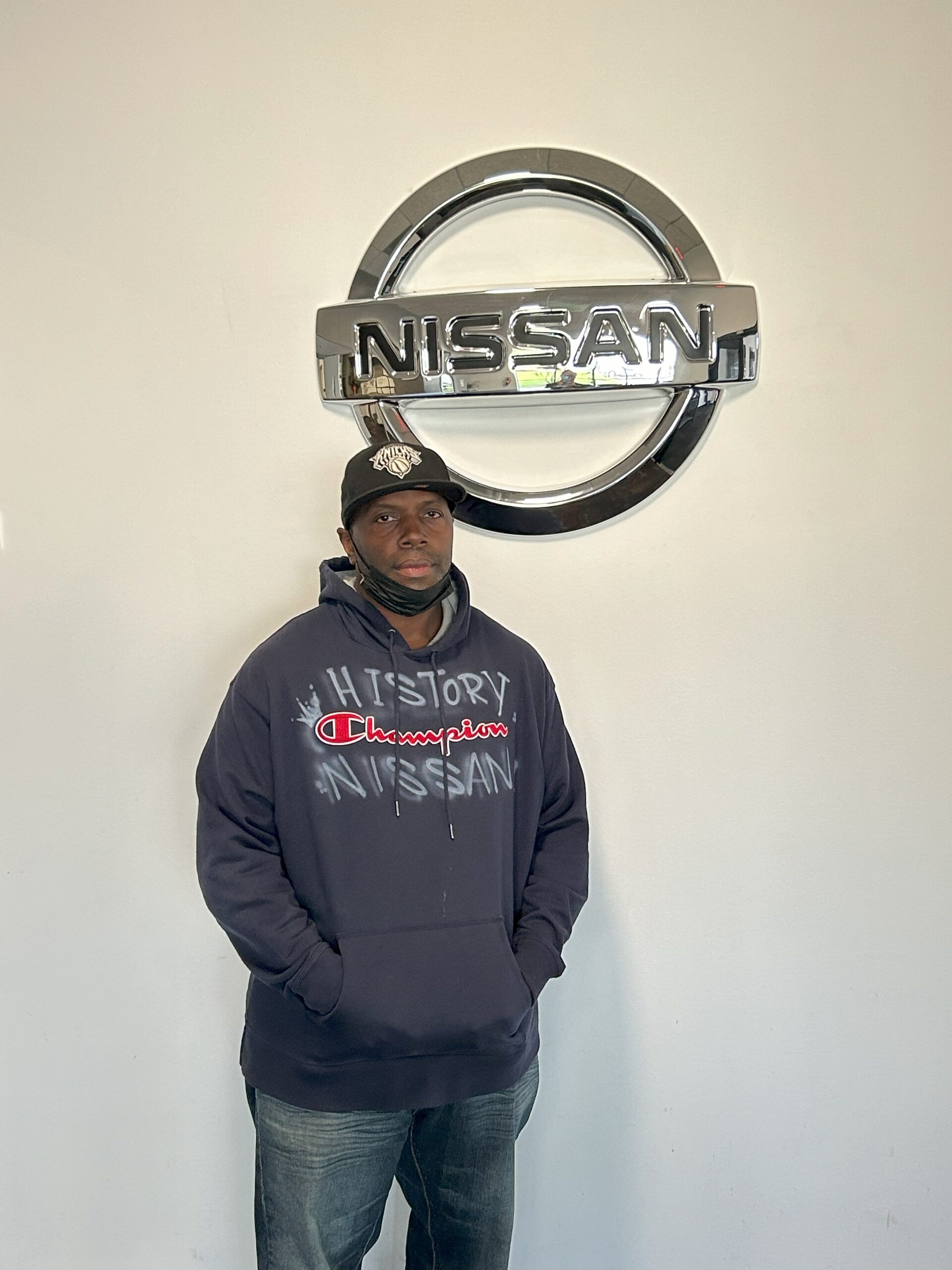
Fain’s Bane: Michael Oliver and his Nissan parts distribution coworkers ousted UAW officials even after they’d tried to force a new contract on the workplace. UAW President Shawn Fain had no response after Oliver’s victory.
SOMERSET, NJ – United Auto Workers (UAW) union bosses this April and May continued marching forward their multi-million-dollar campaign to get auto workers from traditionally nonunion plants under their control. They’ve met with only mixed success — most recently a union election at Mercedes-Benz’s large plant in Vance, Alabama, saw nearly 600 more workers vote against UAW control than for it.
Meanwhile, National Right to Work Foundation staff attorneys helped a large group of New Jersey employees oust the UAW after they’d seen the union’s agenda up close. Michael Oliver and his coworkers successfully exercised their right to vote UAW bosses out of a Nissan parts distribution plant in Somerset, New Jersey. Nearly 70% of the workers who participated in the “decertification vote” at the Nissan facility voted to send the Detroit-based union packing.
“UAW union officials were far more concerned with hoarding power in the workplace than communicating with or listening to workers,” Oliver told The Detroit News of his and his colleagues’ effort. “They kept us completely in the dark about contract negotiations, and treated anyone in the workplace who opposed their agenda or questioned their leadership with a huge amount of arrogance, contempt, and even intimidation.”
Oliver submitted a decertification petition to the National Labor Relations Board (NLRB) in early April, asking the federal agency to hold a vote at his workplace to remove the union. The petition contained signatures from enough of his coworkers to trigger a vote under NLRB rules. The vote took place on April 24.
Even in the midst of widespread worker opposition, UAW officials tried (albeit unsuccessfully) to manipulate NLRB processes in order to remain in power at the Nissan parts distribution plant. Shortly after Oliver submitted the decertification petition, UAW union officials announced that they had ratified a new union contract with Nissan management.
The NLRB’s dubious “contract bar” allows union bosses in many cases to quash decertification efforts for generally up to three years while a union contract is in effect. However, the contract bar didn’t stop Oliver and his coworkers’ requested election, because union officials weren’t able to reach a monopoly bargaining agreement with Nissan before Oliver filed his petition.
Shawn Fain Lost for Words After Nissan Workers Oust UAW Union
Oliver and his coworkers’ endeavor caught UAW President Shawn Fain off-guard. Fain told The Detroit News “I don’t have a response, because that kind of happened under the radar” and claimed that the company somehow played an illicit role in influencing the workers to kick out the union. However, there’s no evidence to support that claim, and UAW officials filed no objections to the election despite having ample time to do so.
Philly-Area Dometic Workers Fight Illegal UAW Strike Threats
Meanwhile, UAW chieftains at the Philadelphia-area plant of auto accessory manufacturer Dometic are facing new worker-filed federal charges for sending a mass text to employees illegally threatening their employment if they exercise their right to continue working during a strike.
These new charges come after several Dometic employees already hit the UAW with charges accusing the union of imposing unlawful disciplinary procedures on them simply because they resigned membership in the union.
Mario Coccie, the Dometic worker who filed the latest round of federal charges against the UAW with free Foundation legal aid, was also in the group of workers who initially charged the union with illegally penalizing workers who resign membership. “The information in this text reveals union officials’ real intentions, which is to hurt anyone willing to stand up for themselves,” commented Coccie. “What is happening in this case is completely unjust.”
“With UAW union bosses spending millions of dollars to expand their influence to nonunion facilities around the country, it’s important to remember that workers who have experienced UAW officials’ ‘representation’ often end up resenting it,” commented National Right to Work Foundation Vice President and Legal Director William Messenger. “Nissan employees in New Jersey and Dometic workers in Pennsylvania are prime examples of this, and their situations demonstrate above all that workers must have more leeway in disaffiliating with or completely voting out union bosses whose agendas harm the workers.”
Somerset, NJ, Nissan Employees Overwhelmingly Vote Out UAW Union Bosses
Nearly 70% of distribution center employees voted against UAW, vote proceeded despite last-minute contract ratification by union officials and management
Somerset, NJ (April 30, 2024) – During a secret ballot election last week, workers at Nissan North America’s parts distribution center in Somerset, NJ, voted to oust United Auto Workers (UAW) union officials from power at their facility. The workers who participated in the April 24 union decertification election voted by nearly 70% to remove the union. Nissan employee Michael Oliver spearheaded the union removal effort with free legal aid from the National Right to Work Legal Defense Foundation.
Oliver kick-started the effort by filing a union decertification petition on April 1 with the National Labor Relations Board (NLRB), the federal agency responsible for enforcing federal labor law, which includes administering elections to install (or “certify”) and remove (or “decertify”) unions. Oliver’s petition contained support from enough of his coworkers to trigger a decertification vote under NLRB rules.
Because New Jersey lacks Right to Work protections for its private sector workers, UAW officials maintained contracts with Nissan management that require Oliver and his coworkers to pay union dues as a condition of keeping their jobs. In Right to Work states, in contrast, union membership and all union financial support are strictly voluntary.
However, in both Right to Work and non-Right to Work states, union officials in a unionized workplace are empowered by federal law to impose a union contract on all employees in the work unit, including those who oppose the union. A successful decertification vote strips union officials of both their forced-dues and monopoly bargaining powers.
If union officials file no objections to the election by midnight on April 30, NLRB officials will certify the vote and Somerset Nissan employees will be officially free of the union.
UAW Union Officials Rushed New Contract in Likely Attempt to Prevent Removal Vote
After Oliver’s April 1 submission of the decertification petition, UAW union officials announced on April 18 that they had ratified a new union contract with Nissan management. The last contract had expired.
While the NLRB’s dubious “contract bar” generally allows union bosses to quash worker-filed decertification efforts for up to three years while a union contract is in effect, the contract bar didn’t stop Oliver and his coworkers’ requested election, because union officials weren’t able to reach a monopoly bargaining agreement with Nissan before Oliver filed his decertification petition. The contract bar does not appear in the National Labor Relations Act (NLRA), the federal law the NLRB is charged with enforcing, and is instead the product of union boss-friendly Board decisions.
Had union officials been able to ratify the contract just a few days earlier, the UAW likely would have succeeded in trapping the workers in union “representation” and forced-dues payments, despite a wide majority wanting to be free of the UAW.
Workers Across Country Growing Dissatisfied with UAW Agenda
Across the country, workers are choosing to affiliate with unions in record-low numbers, according to the most recent Gallup poll on the subject. In 2023, the UAW’s membership fell to its lowest level since 2009. Nonetheless, the UAW’s top bosses are engaged in a multi-million-dollar campaign to expand their influence across nonunion auto facilities, particularly in the South.
Workers are also increasingly attempting to exercise their right to vote out union officials they disapprove of. According to NLRB data, since 2020 decertification petition filings have gone up by over 40%. To resist this trend, the Biden NLRB is attempting to make it substantially more difficult for workers to decertify unions, and could soon issue a final rule invalidating the Election Protection Rule. The Election Protection Rule is a policy which contains multiple important safeguards regarding employees’ right to decertify unions they oppose.
“Mr. Oliver and his fellow Nissan employees are another example that workers who see the UAW up close and personal end up disliking the union’s so-called ‘representation,’” commented National Right to Work Foundation President Mark Mix.
“While these Nissan workers were able to get a vote to eliminate the UAW from their workplace, too often we hear from workers who are frustrated to learn they may have to wait years before even being able to seek a vote to remove unwanted union monopoly representation,” Mix added. “The vast scores of auto industry workers now within the crosshairs of the UAW’s sweeping organizing plan should remember that union officials often prioritize their own power over workers’ interests, and that biased NLRB standards like the ‘contract bar’ may make it very difficult to remove a union after it has been installed.”
Tire Wholesaler Employees Force RWDSU Union Out of 15 Locations
The following article is from the National Right to Work Legal Defense Foundation’s bi-monthly Foundation Action Newsletter, January/February 2024 edition. To view other editions of Foundation Action or to sign up for a free subscription, click here.
RWDSU union officials abandon 500+ employee unit ahead of vote at tire wholesaler
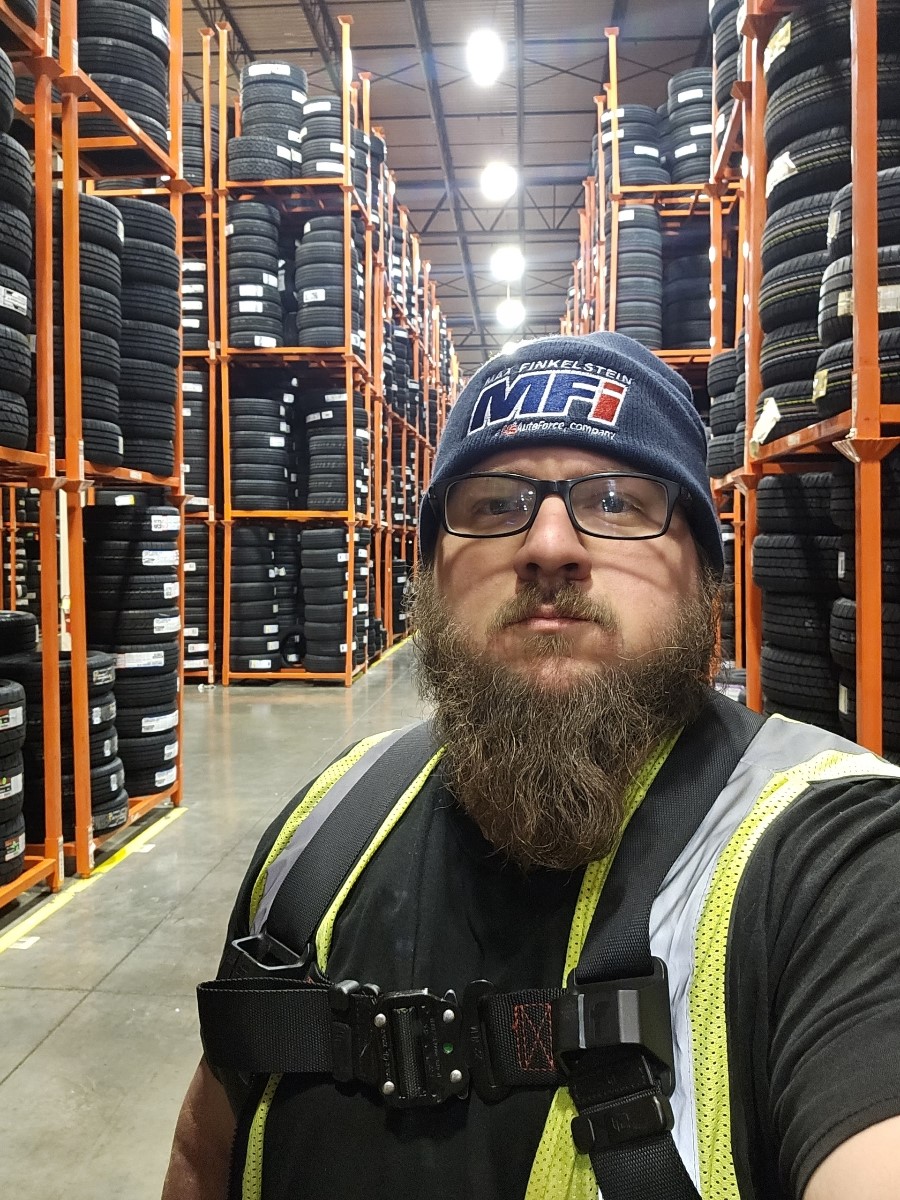
Tire-d of the RWDSU: Chris Dorney submitted a huge number of signatures from his coworkers at tire wholesaler Max Finkelstein when petitioning the NLRB for a vote to remove the RWDSU union.
WINCHESTER, VA – The Biden National Labor Relations Board (NLRB), which includes among its members two former union bosses from the Service Employees International Union (SEIU), is pursuing an agenda that hasn’t exactly been making it easy for workers to vote out a union they don’t want. But that hasn’t stopped workers across the country from going to extraordinary lengths to kick out unions that don’t serve their interests.
In October 2023, Chris Dorney, a Winchester, VA-based employee of tire wholesaler Max Finkelstein, kick-started a cross-country effort to vote the Retail, Wholesale and Department Store Union (RWDSU) out of 15 warehouse facilities across the eastern United States. This work unit included more than 500 employees across Virginia, Maryland, Massachusetts, Pennsylvania, New York, New Jersey, Vermont, Maine, and Connecticut.
Virginia Worker Mustered Strong Showing on Petition for Union Ouster Vote at Tire Wholesaler
With free legal aid from the National Right to Work Foundation, Dorney submitted a petition to the NLRB containing more than enough employee signatures to trigger a vote to remove the union from the large unit.
While Dorney and his fellow Virginia employees enjoyed the Right to Work freedom to opt-out of dues payments to the union, the same couldn’t be said for any of the other employees, all of whom hail from states where dues payments can be mandated as a condition of employment. But voting RWDSU bosses out of power entirely at the tire wholesaler would end the union’s forced-dues power.
“We warehouse workers and drivers at Max Finkelstein may be from many different facilities in many different states, but we are in agreement about one thing: RWDSU union officials don’t represent our interests,” Dorney said of the effort. “It’s our right under federal law to challenge RWDSU’s forced representation power.”
RWDSU Bosses Flee Unit as Union Officials Rack Up Losses Nationwide
However, before the vote could occur, RWDSU union officials disclaimed interest in continuing their monopoly representation powers over the unit, likely to avoid an embarrassing rejection by workers at the ballot box.
Unionized workers are increasingly requesting elections to remove unwanted unions — a potential reason for the Biden NLRB’s efforts to crack down on decertification votes. Additionally, union bosses are increasingly losing these contests. As of last year, filings for union decertification votes had shot up by over 40 percent since 2020. Of decertification elections that occurred, the number which resulted in union bosses losing went up by 72 percent.
“Mr. Dorney and his coworkers’ effort to kick out the RWDSU union, which spanned several states, 15 facilities, and hundreds of workers, is yet another example that workers often want to escape union officials’ one-size-fits-all agenda. It’s also a demonstration that workers will go to great lengths in order to exercise this right,” commented National Right to Work Foundation Vice President Patrick Semmens. “But the Biden NLRB, bent on empowering the President’s union boss political allies, plans to grant unions even more power to defeat workers’ will.”





