
NLRB to Prosecute Boston Hotel, UNITE HERE Union for Coercive “Card Check” Deal
The following article is from the National Right to Work Legal Defense Foundation’s bi-monthly Foundation Action Newsletter, January/February 2021 edition. To view other editions or to sign up for a free subscription, click here.
Housekeepers say employer illegally assisted union organizers during unionization push
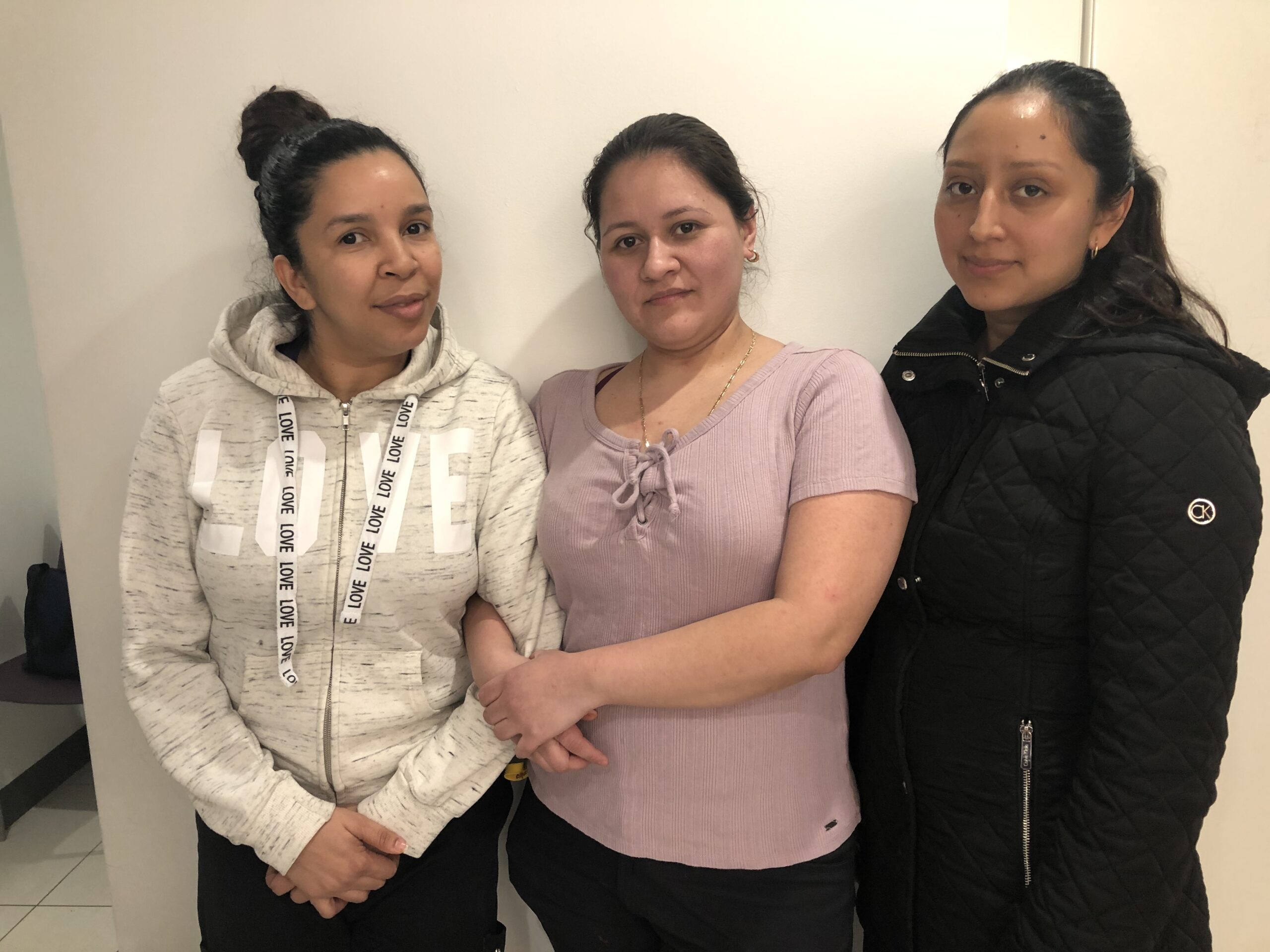
Yotel housekeepers (from left) Lady Laura Javier, Cindy J. Alarcon Vasquez and Yesica Perez Barrios got the NLRB to prosecute union and hotel officials for using a coercive “Card Check” drive to force them under union control.
BOSTON, MA – With free legal aid from National Right to Work Legal Defense Foundation staff attorneys, in December 2019 four housekeepers at the Yotel hotel in Boston filed charges against their employer and UNITE HERE Local 26, after the hotel illegally assisted union officials with foisting their “representation” on workers during a “Card Check” organizing drive.
Now, in response to the charges filed for Cindy J. Alarcon Vasquez, Lady Laura Javier, Yesica Perez Barrios and Danela Guzman, the National Labor Relations Board (NLRB) Regional Director has issued a complaint to prosecute the hotel and UNITE HERE for violating the housekeepers’ rights under federal law.
Agreeing with the workers’ Foundation staff attorneys, the complaint charges the hotel with illegally assisting union organizers by providing the kind of assistance the Board has long held to be illegal when it benefits workers’ decertification efforts, and charges the union with illegally accepting the unlawful assistance.
NLRB: Employer Illegally Aided Union Campaign
The NLRB has long held that an employer taints employees’ efforts to remove a union if it gives those workers support that amounts to more than “ministerial aid.” Under that standard, the Board has held that an employer can’t provide a list of bargaining unit employees or allow use of company resources when employees are trying to remove a union, because this assistance would tarnish the results of the election.
Foundation attorneys in this case argue that, under the same standard, Yotel Boston similarly tainted the union’s organizing campaign by providing assistance to UNITE HERE union organizers.
The charges, which resulted in the NLRB complaint, say the hotel illegally assisted the union’s coercive “Card Check” drive, during which employees were pressured by union operatives into signing union cards. These cards were later counted as “votes,” and were used to bypass a secret-ballot election that would have determined whether the workers actually support union representation.
Foundation Cases Challenge Unequal Standard
The case is not the first in which the NLRB has addressed this double standard. In July, NLRB Region 19 issued a similar complaint in another case involving a hotel worker whose employer illegally assisted UNITE HERE Local 8 union officials in its “Card Check” drive at Embassy Suites in Seattle. There the NLRB also agreed that the employer had provided more than “ministerial aid,” and therefore UNITE HERE officials “did not represent an uncoerced majority of the unit.”
“The NLRB is finally addressing the double standard that for too long has favored union bosses in their coercive “Card Check” unionization drives,” said National Right to Work Foundation President Mark Mix. “Union bosses pressure workers and get illegal assistance from employers to impose their so-called representation on workers, but they cry foul when that same assistance is given to workers attempting to remove unwanted forced representation.
“With these two complaints against UNITE HERE union bosses, the Board is correctly finding that what qualifies as more than ‘ministerial assistance and support,’ and violates the National Labor Relations Act, cannot depend on whether the employer is helping outside union organizers impose unionization on workers or is assisting workers in exercising their right to remove an unwanted union,” Mix added
NLRB Cases Challenge Coercive ‘Neutrality Agreements’ Used to Impose Forced Unionism
The following article is from the National Right to Work Legal Defense Foundation’s bi-monthly Foundation Action Newsletter, March/April 2020 edition. To view other editions or to sign up for a free subscription, click here.
Housekeepers demand NLRB block unionization resulting from back-room “Card Check” deals
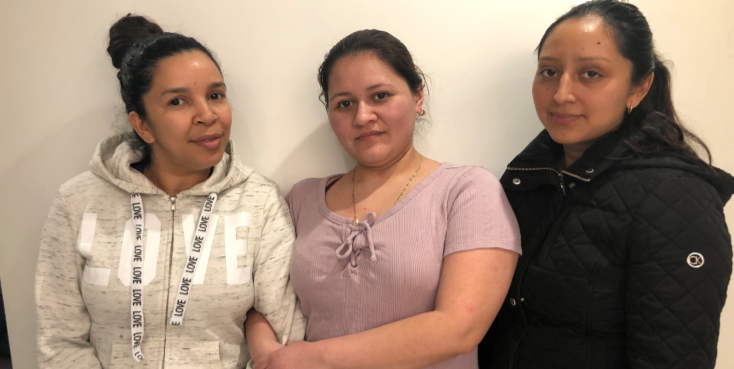
From left, housekeepers Lady Laura Javier, Cindy J. Alarcon Vasquez, and Yesica Perez Barrios are charging hotel officials and union bosses with illegally corralling workers into union ranks with a corrupted “Card Check” recognition.
SEATTLE, WA – Housekeeper Gladys Bryant was granted an appeal by the National Labor Relations Board (NLRB) General Counsel in her case challenging the use of a so-called “neutrality agreement” between UNITE HERE union officials and her employer to impose a union on the hotel’s workers.
Meanwhile, four Boston housekeepers have filed similar NLRB charges against their employer Yotel Boston and UNITE HERE Local 26, alleging that union officials violated federal law by imposing union representation on workers through a coercive “Card Check” drive with their employer’s assistance.
General Counsel Finds That UNITE HERE “Card Check” Unionization Was Tainted
Bryant filed the unfair labor practice charges after the UNITE HERE Local 8 union was installed at the Embassy Suites hotel in May 2018 through an oft-abused “Card Check” drive which bypassed the NLRB’s secret ballot election process.
As part of its so-called “neutrality agreement,” Embassy Suites agreed to give union organizers access to the hotel to meet and solicit employees. The agreement also provided union officials with a list of all employees’ names, jobs, and contact information to assist the union in collecting authorization cards from employees.
After NLRB Region 19 officials declined to prosecute the union or employer for violations of the National Labor Relations Act (NLRA), Bryant appealed the case to the NLRB General Counsel in January 2019. The NLRB General Counsel agreed with Bryant’s Foundation attorneys that Embassy Suites provided UNITE HERE’s organizing campaign with more than “ministerial aid” and thus violated the NLRA.
The NLRB has long held that an employer taints employees’ efforts to remove a union if it gives the employees support such as providing a list of bargaining unit employees or use of company resources. Bryant’s appeal successfully argued that the “ministerial aid” standard must also apply when an employer aids union officials’ efforts to gain monopoly bargaining power over workers.
Boston Housekeepers Argue Union “Card Check” Must Be Overturned
Faced with a similar situation, Boston-area housekeepers Cindy J. Alarcon Vasquez, Lady Laura Javier, Yesica Perez Barrios, and Danela Guzman filed unfair labor practice charges with the NLRB. With free legal aid from the National Right to Work Foundation, the housekeepers argue that UNITE HERE union officials violated federal law by imposing union representation on workers through a coercive “Card Check” drive with the assistance of their employer, Yotel Boston.
As in the Seattle case, they charge that Yotel Boston company officials provided UNITE HERE’s organizing campaign with more than “ministerial aid” and therefore illegally tainted the union’s installation as the employees’ exclusive representative in the workplace. The housekeepers charge union officials with violating the NLRA by requesting and accepting the illegal assistance, and the hotel for providing it.
“It is long past time that the NLRB put an end to this biased double standard that allows union bosses to abuse workers’ rights,” said National Right to Work Foundation Vice President and Legal Director Ray LaJeunesse. “The General Counsel is correct to finally recognize that what qualifies as more than ‘ministerial assistance and support,’ and thus violates the National Labor Relations Act, cannot depend on whether the employer is helping outside union organizers impose unionization on workers or assisting workers in exercising their right to remove an unwanted union.”
“These cases represent another breakthrough in the Foundation’s challenges to the pro-forced unionism skew at the NLRB,” added LaJeunesse.





