
Philly-Area Dometic Workers Win Case Against UAW for Illegal Threats During Union-Boss Ordered Strike
UAW officials unlawfully threatened to fire workers that didn’t go on strike, must now attend mandatory training on workers’ rights
Philadelphia, PA (October 16, 2024) – Seven employees of auto accessory manufacturer Dometic’s Philadelphia-area plant have triumphed over United Auto Workers (UAW) union officials in a federal case against the union for threatening illegal discipline on workers during a strike.
The favorable settlement for the Dometic workers forces UAW union officials to provide remedies not only for the illegal threats, but also for blocking workers from exercising their right to resign their memberships in the union and unlawfully demanding full union dues. The employees, Eric Angell, Robert Haldeman, Mario Coccie, Nancy Powelson, Joseph Buchak, Md Rasidul Islam, and James Nold received free legal aid from the National Right to Work Legal Defense Foundation.
The seven employees originally filed federal Unfair Labor Practice charges at the National Labor Relations Board (NLRB) against the union following a September 2023 strike order issued by UAW officials at their workplace. The order was accompanied by statements, text messages, and even social media posts from union officials stating that employees would be disciplined or even fired if they continued to do their jobs.
The NLRB is the federal agency responsible for enforcing the National Labor Relations Act (NLRA), the federal law that governs private sector labor relations in the United States. Under the NLRA, American private sector workers have a right to refrain from union activity, and the U.S. Supreme Court recognized in General Motors v. NLRB the right of employees to resign union membership during a strike and continue working.
The Foundation-won settlement fully vindicates Dometic workers’ rights. It requires notices to be posted both at union offices and at Dometic’s Royersford, PA, plant detailing employees’ rights, including their right to refrain from joining a union or participating in union activities. Such information must also be shared with employees by text message. The settlement additionally requires UAW bosses to delete a Facebook post threatening workers who continued to work during the strike with being fired. Finally, the settlement orders mandatory training for union officials on a number of topics, including “a union’s right to impose internal discipline.”
Illegal Strike Threats Just Tip of Iceberg for Union Malfeasance at Dometic
All seven workers reported in their original federal charges, against the UAW, that they were informed during a September 8, 2023, union meeting that a strike would begin the following week, and any employee who refused to participate would be subject to internal union charges, fined, and ultimately terminated. The next month, each worker resigned their membership, and UAW union officials notified them that the union had started internal proceedings against them. Under federal law, union officials have no right to impose discipline on those who aren’t union members.
The charges also recounted that union officials failed to follow processes laid out by the Foundation-won CWA v. Beck Supreme Court decision. Under Beck, workers under union monopoly bargaining control who have abstained from formal membership can only be required to pay the amount of dues that the union claims goes towards bargaining, and are also entitled to receive financial information on how the union calculates the compulsory fee they charge to nonmembers as a condition of employment.
Because Pennsylvania lacks Right to Work protections for its private sector employees, union officials can impose contracts that force workers who have refrained from formal union membership to pay fees to the union or lose their jobs. However, as per Beck, this fee must exclude any money that funds a union’s political or lobbying activities, and can only include bargaining-related expenses. Beck also requires union officials to provide financial disclosures to workers who send a Beck notice.
UAW Bosses Again Caught Red-Handed Violating Employee Rights
“The UAW hierarchy, which is still under federal monitoring following a massive embezzlement probe that already resulted in a dozen union bosses’ convictions, has given workers plenty of reasons to doubt whether union officials truly have their best interests in mind,” commented National Right to Work Foundation President Mark Mix. “That was on display again at the Pennsylvania Dometic plant, where UAW officials resorted to patently illegal methods to force workers out on strike.”
“We’re proud to have helped these employees vindicate their rights, however, blatantly illegal threats like this are unfortunately common during union boss-instigated strikes,” added Mix. “That’s worth remembering as the UAW’s radical top boss Shawn Fain continues his fevered 2028 dreams of a Marxist-inspired May Day General Strike which, if it actually were to happen, would almost certainly be backed up with similar illegal threats against rank-and-file workers.”
Majority of Workers at Detroit-Area Hydraulic Tooling Firm Seek Vote to Oust UAW Union Bosses
Michigan workers continue to seek freedom from union bosses, fight back against union boss malfeasance in wake of Right to Work repeal
Detroit, MI (September 12, 2024) – Production and maintenance employees at Hydra-Lock Corp. a hydraulic tooling company based in Mt. Clemens, Michigan, have just submitted a petition seeking a vote to remove United Auto Workers (UAW) Local 155 union officials from power at their workplace. Hydra-Lock employee Keith Woody submitted the petition to National Labor Relations Board (NLRB) Region 7 in Detroit with free legal aid from National Right to Work Foundation staff attorneys.
The NLRB is the federal agency responsible for enforcing federal labor law, which includes administering elections to install (or “certify”) and remove (or “decertify”) unions. Woody’s petition contains signatures from the majority of his colleagues in support of having a decertification election, well over the 30% threshold of employee signatures needed to trigger such a vote under NLRB rules.
Michigan legislators’ 2023 repeal of the state’s Right to Work protections went into effect this February, meaning UAW union officials have the legal power to enforce contracts that require Woody and his coworkers to pay dues or fees as a condition of getting or keeping a job. In Right to Work states, in contrast, union membership and financial support are strictly voluntary.
If Woody and his coworkers’ decertification effort succeeds, they will be free from both the UAW’s power to speak and contract for all workers in the facility (including the majority that oppose the union), and the obligation to pay dues as a condition of employment.
Michigan Legislators Repealed Right to Work Despite Massive UAW Scandal
In March 2023, a bare majority of Michigan legislators voted along partisan lines to repeal Right to Work at the behest of union special interests, ending workers’ ability to decide for themselves whether or not union officials deserve their dues money. The imposition of union bosses’ power to force employees to “pay up or be fired” came despite polling showing Michiganders, including those in union households, overwhelmingly opposed the elimination of workers’ Right to Work protections.
After the repeal became effective this February, workers from across the Great Lakes State sought help from National Right to Work Foundation staff attorneys in escaping union bosses’ forced-dues demands. The total cases that Foundation attorneys have filed for Michigan workers in 2024 is already well more than double the number for all of 2023. Foundation-backed workers from across the state have recounted a wide variety of union boss misdeeds since the repeal, including forcing workers with religious objections to join and pay dues, taking dues money directly from workers’ paychecks without their permission, coercing workers into contributing to union Political Action Committees (PACs), and more.
The Michigan Right to Work repeal also came after a years-long federal probe revealed massive corruption within the UAW hierarchy. At least 13 UAW officials received jail sentences for embezzling and spending millions in workers’ dues money on luxury goods, vacations, and other personal items. Federal agents are still monitoring the Detroit-based union, and have recently investigated reports that current UAW President Shawn Fain is misappropriating union property.
“The UAW’s implosion over the embezzlement scandal should have been more than enough evidence for Michigan legislators that workers deserve the right to withhold their money from union bosses who are corrupt, abrasive, or just flat out ineffective,” commented National Right to Work Foundation President Mark Mix. “Instead, as a purely political favor, Michigan policymakers granted union officials the power to have workers fired for refusing to support union agendas, and we’re now seeing worker backlash throughout the state.
“Michigan workers should not hesitate to contact National Right to Work Foundation attorneys for free assistance in standing up for what rights they still have in this new legal environment,” Mix added.
Foundation-Backed Workers Push Back Against UAW Bosses’ Coercive Tactics
The following article is from the National Right to Work Legal Defense Foundation’s bi-monthly Foundation Action Newsletter, July/August 2024 edition. To view other editions of Foundation Action or to sign up for a free subscription, click here.
New Jersey ouster of UAW comes as union bosses wage aggressive nationwide campaign
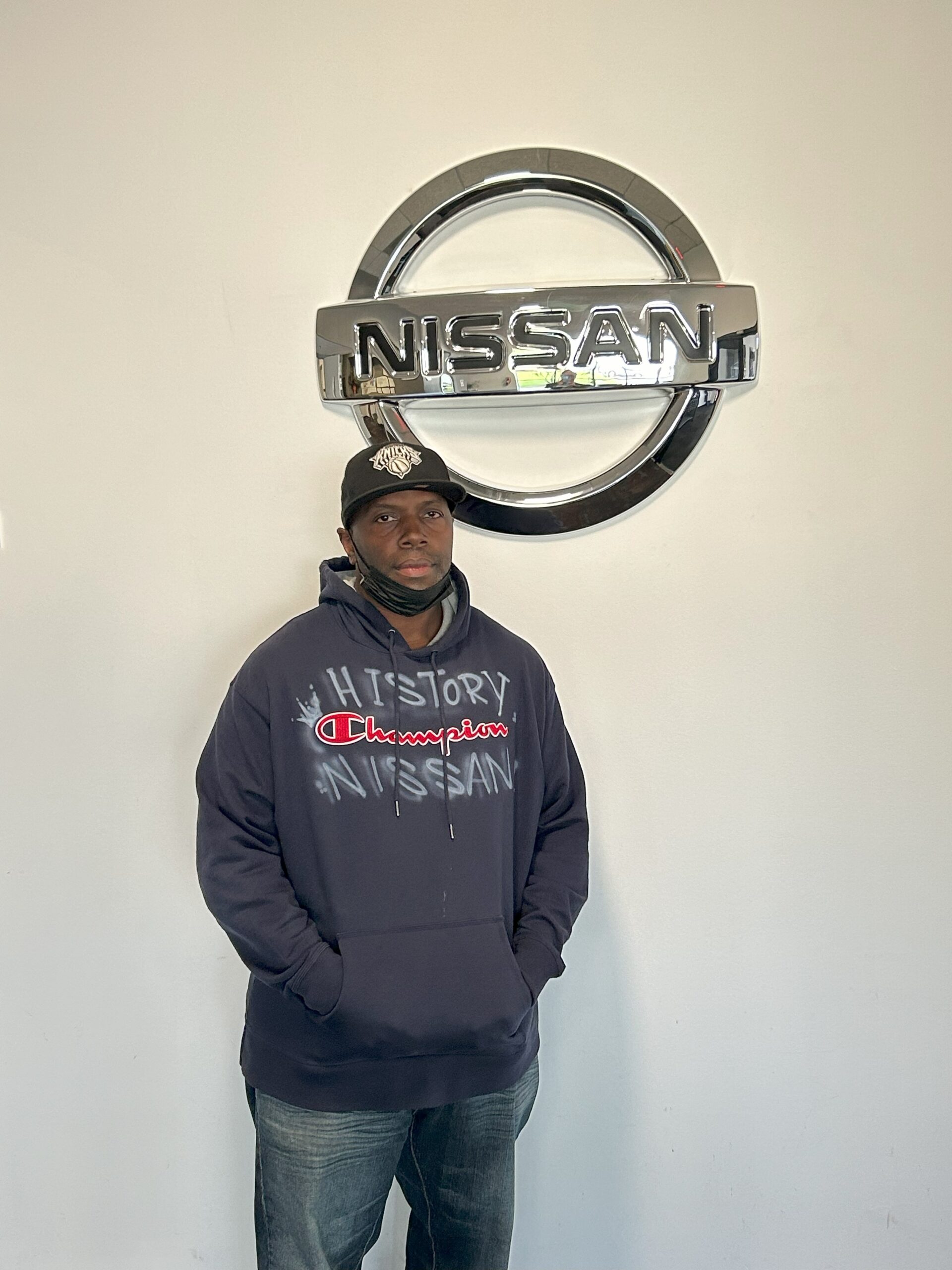
Fain’s Bane: Michael Oliver and his Nissan parts distribution coworkers ousted UAW officials even after they’d tried to force a new contract on the workplace. UAW President Shawn Fain had no response after Oliver’s victory.
SOMERSET, NJ – United Auto Workers (UAW) union bosses this April and May continued marching forward their multi-million-dollar campaign to get auto workers from traditionally nonunion plants under their control. They’ve met with only mixed success — most recently a union election at Mercedes-Benz’s large plant in Vance, Alabama, saw nearly 600 more workers vote against UAW control than for it.
Meanwhile, National Right to Work Foundation staff attorneys helped a large group of New Jersey employees oust the UAW after they’d seen the union’s agenda up close. Michael Oliver and his coworkers successfully exercised their right to vote UAW bosses out of a Nissan parts distribution plant in Somerset, New Jersey. Nearly 70% of the workers who participated in the “decertification vote” at the Nissan facility voted to send the Detroit-based union packing.
“UAW union officials were far more concerned with hoarding power in the workplace than communicating with or listening to workers,” Oliver told The Detroit News of his and his colleagues’ effort. “They kept us completely in the dark about contract negotiations, and treated anyone in the workplace who opposed their agenda or questioned their leadership with a huge amount of arrogance, contempt, and even intimidation.”
Oliver submitted a decertification petition to the National Labor Relations Board (NLRB) in early April, asking the federal agency to hold a vote at his workplace to remove the union. The petition contained signatures from enough of his coworkers to trigger a vote under NLRB rules. The vote took place on April 24.
Even in the midst of widespread worker opposition, UAW officials tried (albeit unsuccessfully) to manipulate NLRB processes in order to remain in power at the Nissan parts distribution plant. Shortly after Oliver submitted the decertification petition, UAW union officials announced that they had ratified a new union contract with Nissan management.
The NLRB’s dubious “contract bar” allows union bosses in many cases to quash decertification efforts for generally up to three years while a union contract is in effect. However, the contract bar didn’t stop Oliver and his coworkers’ requested election, because union officials weren’t able to reach a monopoly bargaining agreement with Nissan before Oliver filed his petition.
Shawn Fain Lost for Words After Nissan Workers Oust UAW Union
Oliver and his coworkers’ endeavor caught UAW President Shawn Fain off-guard. Fain told The Detroit News “I don’t have a response, because that kind of happened under the radar” and claimed that the company somehow played an illicit role in influencing the workers to kick out the union. However, there’s no evidence to support that claim, and UAW officials filed no objections to the election despite having ample time to do so.
Philly-Area Dometic Workers Fight Illegal UAW Strike Threats
Meanwhile, UAW chieftains at the Philadelphia-area plant of auto accessory manufacturer Dometic are facing new worker-filed federal charges for sending a mass text to employees illegally threatening their employment if they exercise their right to continue working during a strike.
These new charges come after several Dometic employees already hit the UAW with charges accusing the union of imposing unlawful disciplinary procedures on them simply because they resigned membership in the union.
Mario Coccie, the Dometic worker who filed the latest round of federal charges against the UAW with free Foundation legal aid, was also in the group of workers who initially charged the union with illegally penalizing workers who resign membership. “The information in this text reveals union officials’ real intentions, which is to hurt anyone willing to stand up for themselves,” commented Coccie. “What is happening in this case is completely unjust.”
“With UAW union bosses spending millions of dollars to expand their influence to nonunion facilities around the country, it’s important to remember that workers who have experienced UAW officials’ ‘representation’ often end up resenting it,” commented National Right to Work Foundation Vice President and Legal Director William Messenger. “Nissan employees in New Jersey and Dometic workers in Pennsylvania are prime examples of this, and their situations demonstrate above all that workers must have more leeway in disaffiliating with or completely voting out union bosses whose agendas harm the workers.”
Grand Rapids GE Worker Slams UAW Union Officials with Federal Charges After Being Terminated for Refusing Membership
In months following repeal of Michigan Right to Work law, workers across the state are standing up to oppose union coercion
Grand Rapids, MI (July 30, 2024) – Richard Howard, an employee at General Electric (GE) Aviation Systems’ Grand Rapids facility, has slammed his employer and United Auto Workers (UAW) Local 330 union officials with two sets of federal charges. He maintains that union officials illegally instigated his termination after he refused to become a formal union member.
Howard’s charges come as Michigan workers increasingly seek to challenge union bosses’ legal powers in the wake of Michigan’s repeal of its Right to Work law. The repeal, which became effective this February, re-granted union officials the privilege to demand workers pay union dues or fees just to keep a job. So far this year, Foundation staff attorneys have already filed more than twice as many cases to defend Michigan workers’ rights than through all of 2023.
Howard filed his federal Unfair Labor Practice charges at Region 7 of the National Labor Relations Board (NLRB) in Detroit with free legal aid from the National Right to Work Legal Defense Foundation. Because Howard’s reasons for wanting to dissociate from the union stemmed from his Christian beliefs, something he had made clear when objecting to demands that he sign a union card, he also filed anti-discrimination charges against the UAW and GE with the Equal Employment Opportunity Commission (EEOC).
Howard’s charges state that, after the Right to Work repeal became effective, both GE and UAW agents told Howard and his colleagues that “they had 60 days to become Union members, sign dues checkoffs, and pay full dues to the Union.” Howard knew that union membership couldn’t be compulsory even in a non-Right to Work environment, but many conversations he had with officials of the union and GE about other options proved fruitless.
The NLRB is the agency responsible for enforcing federal labor law in the private sector. Even in states like Michigan that lack Right to Work protections, and allow for forced-fee requirements, longstanding federal law under cases like General Motors v. NLRB prevents union bosses from requiring workers to become formal union members. The Foundation-won Communications Workers of America v. Beck Supreme Court decision additionally forbids union bosses in non-Right to Work states from forcing workers who refrain from union membership to pay money for any activities beyond the union’s bargaining functions, such as political expenditures.
For religious objectors to union activity, Title VII of the Civil Rights Act of 1964 requires union officials to attempt to accommodate such workers. While Title VII accommodations take different forms from case to case, they generally eliminate any obligation the worker has to pay dues money directly to the union. One common accommodation is permitting a worker to pay an amount equivalent to dues or fees to a charity.
“I have repeatedly voiced my objections to the UAW and everything they stand for, including my religious objections to the union’s political activity. My rights may be limited due to the repeal of Michigan’s Right to Work law, but the union has acted like they don’t exist at all,” Howard said. “It is shameful that rather than respect my religious freedom and other workplace rights, the union instigated my firing.”
GE, UAW Wrongly Told Worker Membership Was Required
Howard’s charges describe how union and company officials stonewalled him when he asked about what options he had to opt out of the union: “Everyone he spoke to in both the Employer’s management and the Union told him that he was required to sign the union membership and dues deduction authorization card or he would be terminated and that he had no other options.” Even offers by Howard to pay a reduced amount of union dues as a nonmember (as per Beck) or pay money to a charity as a religious objector were rebuffed.
Finally, during an April meeting Howard had with GE and UAW agents, both parties threatened that he would be fired if he did not sign a union membership form and dues deduction authorization form within six days. Six days after the meeting, GE terminated Howard, and UAW union officials refused to file a grievance for him challenging the termination.
Worker Seeks Federal Injunction After Unlawful Union-Instigated Firing
Howard’s NLRB charges argue that the employer’s and union’s threats to fire him and the firing itself violated his right under Section 7 of the National Labor Relations Act (NLRA) to refrain from union activity. The charges also contend that UAW officials never informed him in writing of exactly what his obligations were before demanding his firing, a violation of the NLRB’s Philadelphia Sheraton Corp. precedent. The NLRB charges finally request that the NLRB seek a federal court order telling GE and UAW to immediately cease the illegal activity, something known as a “10(j) injunction”.
Howard’s EEOC charges state that both UAW and GE officials have failed to accommodate him or even consider his religious objection (as required by Title VII) and have ignored or shot down every attempt by him to seek an accommodation.
“The flurry of new cases that Foundation staff attorneys are litigating for Michigan workers shows that, post-Right to Work repeal, union bosses aren’t stopping at re-imposing their forced-dues legal power on workers. They seem to view the repeal as a license to force workers to associate with them in any way possible,” stated National Right to Work Foundation President Mark Mix. “As these recent cases demonstrate, Michigan workers deserve more freedom from union boss coercion – not less – and Michigan workers aren’t going to let their freedoms go without a fight.
“Workers may have any number of reasons for wanting to withhold their money from a union – religious reasons, financial reasons, or just because they believe union officials aren’t doing a good job,” Mix added. “That’s why the voluntarism of Right to Work is so important, and why every American worker deserves such protections.”
National Right to Work Foundation Issues Notice to University of California Graduate Students Amid UAW Strike Orders
Foundation informs students of right to resign union membership and complete academic responsibilities despite politicized union strike command
California (May 21, 2024) – The National Right to Work Legal Defense Foundation has released a special legal notice to graduate students, teaching assistants, and researchers across the University of California system. The notice comes as officials of the United Auto Workers (UAW) union have ordered a strike at UC Santa Cruz over the university’s position on the Israel-Hamas conflict and related campus protests.
Union officials have indicated that similar strike orders could soon be in effect at other UC system schools and that the union’s strike authorization means these orders could be in effect until June 30. The notice provides legal information to the roughly 50,000 unionized students, a small fraction of which voted to approve the strike action.
The full notice is available at www.nrtw.org/UCstrike.
The Foundation’s legal notice informs UC graduate students of their right to resign union membership and resume their academic responsibilities. “This situation raises serious concerns for graduate students who believe there is much to lose from a union ordered strike,” the notice says. “Seven UC undergraduate campuses have exams scheduled for the second week of June, meaning the strike order is likely to cause major disruptions.”
“The Foundation wants you to learn about your legal rights from independent sources,” says the notice. “You should not rely on what self-interested union officials tell you.”
UC Graduate Students Must Resign Union Membership Before Returning to Work
The notice explains that, under California public sector labor law, graduate students who wish to resume working during the strike should resign their union memberships at least one day before returning to work if they want to avoid union discipline. “Union officials can (and often do) levy thousands of dollars in fines against union members who work during a strike,” reads the notice. “So, if you are currently a member, resigning your membership before you work during a strike is the most effective way to avoid union fines and other discipline.”
Links to sample union resignation letters and the Foundation’s page for requesting free legal aid are provided.
Janus Supreme Court Decision Also Protects Students’ Right to Stop Dues Payments to UAW
UC graduate students, who are considered “public employees” for the purposes of unionization, also have a First Amendment right to cut off dues deductions to the UAW as per the Foundation-won Janus v. AFSCME Supreme Court decision, the notice says. “[U]nion officials can only deduct union dues from a person’s paycheck if that person has affirmatively consented to pay,” the notice details, while also explaining that union officials sometimes try to limit when employees can stop union dues and that Foundation attorneys can provide legal aid if students encounter any difficulties in that regard.
The notice concludes by explaining that UC graduate students have a right to petition for a vote to end the UAW’s monopoly bargaining power, with a link to more information on California’s public sector law regarding union “decertification elections.”
“There is good reason to believe that this UAW boss-ordered strike may violate California law, but because that is still being determined, it is important that student ‘employees’ impacted by the strike know their legal rights to protect themselves against union retribution if they exercise their right not to join the strike action,” commented National Right to Work Foundation President Mark Mix. “University of California graduate students may oppose this strike simply because they want to complete their end-of-semester responsibilities efficiently and without disruption, notwithstanding the UAW’s combative reaction to controversial and divisive protests.
“Graduate students’ ability to complete their work can’t be stripped away by UAW union officials’ eagerness to make a political statement, and Foundation attorneys stand ready to defend these students’ right to work independently of union strike diktats,” added Mix.
Somerset, NJ, Nissan Employees Overwhelmingly Vote Out UAW Union Bosses
Nearly 70% of distribution center employees voted against UAW, vote proceeded despite last-minute contract ratification by union officials and management
Somerset, NJ (April 30, 2024) – During a secret ballot election last week, workers at Nissan North America’s parts distribution center in Somerset, NJ, voted to oust United Auto Workers (UAW) union officials from power at their facility. The workers who participated in the April 24 union decertification election voted by nearly 70% to remove the union. Nissan employee Michael Oliver spearheaded the union removal effort with free legal aid from the National Right to Work Legal Defense Foundation.
Oliver kick-started the effort by filing a union decertification petition on April 1 with the National Labor Relations Board (NLRB), the federal agency responsible for enforcing federal labor law, which includes administering elections to install (or “certify”) and remove (or “decertify”) unions. Oliver’s petition contained support from enough of his coworkers to trigger a decertification vote under NLRB rules.
Because New Jersey lacks Right to Work protections for its private sector workers, UAW officials maintained contracts with Nissan management that require Oliver and his coworkers to pay union dues as a condition of keeping their jobs. In Right to Work states, in contrast, union membership and all union financial support are strictly voluntary.
However, in both Right to Work and non-Right to Work states, union officials in a unionized workplace are empowered by federal law to impose a union contract on all employees in the work unit, including those who oppose the union. A successful decertification vote strips union officials of both their forced-dues and monopoly bargaining powers.
If union officials file no objections to the election by midnight on April 30, NLRB officials will certify the vote and Somerset Nissan employees will be officially free of the union.
UAW Union Officials Rushed New Contract in Likely Attempt to Prevent Removal Vote
After Oliver’s April 1 submission of the decertification petition, UAW union officials announced on April 18 that they had ratified a new union contract with Nissan management. The last contract had expired.
While the NLRB’s dubious “contract bar” generally allows union bosses to quash worker-filed decertification efforts for up to three years while a union contract is in effect, the contract bar didn’t stop Oliver and his coworkers’ requested election, because union officials weren’t able to reach a monopoly bargaining agreement with Nissan before Oliver filed his decertification petition. The contract bar does not appear in the National Labor Relations Act (NLRA), the federal law the NLRB is charged with enforcing, and is instead the product of union boss-friendly Board decisions.
Had union officials been able to ratify the contract just a few days earlier, the UAW likely would have succeeded in trapping the workers in union “representation” and forced-dues payments, despite a wide majority wanting to be free of the UAW.
Workers Across Country Growing Dissatisfied with UAW Agenda
Across the country, workers are choosing to affiliate with unions in record-low numbers, according to the most recent Gallup poll on the subject. In 2023, the UAW’s membership fell to its lowest level since 2009. Nonetheless, the UAW’s top bosses are engaged in a multi-million-dollar campaign to expand their influence across nonunion auto facilities, particularly in the South.
Workers are also increasingly attempting to exercise their right to vote out union officials they disapprove of. According to NLRB data, since 2020 decertification petition filings have gone up by over 40%. To resist this trend, the Biden NLRB is attempting to make it substantially more difficult for workers to decertify unions, and could soon issue a final rule invalidating the Election Protection Rule. The Election Protection Rule is a policy which contains multiple important safeguards regarding employees’ right to decertify unions they oppose.
“Mr. Oliver and his fellow Nissan employees are another example that workers who see the UAW up close and personal end up disliking the union’s so-called ‘representation,’” commented National Right to Work Foundation President Mark Mix.
“While these Nissan workers were able to get a vote to eliminate the UAW from their workplace, too often we hear from workers who are frustrated to learn they may have to wait years before even being able to seek a vote to remove unwanted union monopoly representation,” Mix added. “The vast scores of auto industry workers now within the crosshairs of the UAW’s sweeping organizing plan should remember that union officials often prioritize their own power over workers’ interests, and that biased NLRB standards like the ‘contract bar’ may make it very difficult to remove a union after it has been installed.”
UAW Faces Federal Charges for Threatening Philly Dometic Employees with Termination If They Go to Work
Charge says union officials sent mass text threatening termination for continuing to work.
Philadelphia, PA (April 23, 2024) – United Auto Workers (UAW) officials at the Philadelphia-area plant of auto accessory manufacturer Dometic are facing new worker-filed charges for sending a mass text to employees illegally threatening their employment if they choose to work during the strike. The new charges, which now await review by the National Labor Relations Board (NLRB), come after several employees hit the UAW with NLRB charges accusing the union of imposing unlawful disciplinary procedures on them despite their resignation from the union, and illegally seizing money from their paychecks.
Dometic employee Mario Coccie filed the charges with free legal aid from the National Right to Work Foundation. The NLRB is the federal agency responsible for enforcing the National Labor Relations Act (NLRA), the federal law that governs private sector labor relations in the United States. Under the NLRA, American private sector workers have a right to refrain from union activity, and the U.S. Supreme Court recognized in General Motors v. NLRB the right of employees to resign union membership during a strike and continue working.
Coccie, one of the seven workers who originally filed charges against the UAW, included details about the mass text in his charges. According to his filing, the new threats from UAW bosses were directed beyond those who filed charges against the union initially and threaten everyone who choose to work during the strike with losing their jobs and being “judged” by union militants at an internal union trial.
“The information in this text reveals union officials’ real intentions, which is to hurt anyone willing to stand up for themselves,” said Mario Coccie. “What is happening in this case is completely unjust.”
UAW Union Officials Threaten Workers for Desiring to Leave
The UAW’s mass text message, apparently sent by union official Mike Poust, warns workers that “There are and will be consequences for crossing the line becoming a scab [sic] you will be put on trial you will be judged by your peers…[you will] have no right to hold or acquire any [union-controlled] job within the plant.”
These threats come in addition to intimidation detailed by seven Dometic workers in past charges, which explained that a union steward told each of them during a September 8, 2023, meeting that any employee who crossed the UAW’s picket line during the strike would be subject to internal union charges, fined, and ultimately terminated. Despite resigning their union membership and no longer being legally subject to internal union discipline, UAW union officials notified each worker in December 2023 that the union had started proceedings against them and their presence would soon be required at an internal union trial.
The seven employees also charged that union officials ignored their rights as nonmembers under the Right to Work Foundation-won CWA v. Beck Supreme Court case, and took full union dues (including dues for union political activities) from their paychecks even after they had resigned their membership.
Because Pennsylvania lacks Right to Work protections for its private sector employees, union officials can impose contracts that force workers who have refrained from formal union membership to pay fees to the union as a condition of keeping their jobs. However, as per Beck, this managing fee cannot include any money that funds a union’s political or lobbying activities. Beck also requires union officials to provide financial disclosures to workers who send a Beck notice.
“UAW union officials are waging a multi-million-dollar propaganda campaign to bring more workers into their ranks, but Mr. Coccie and the workers at the Philadelphia Dometic plant represent the reality of what workers experience under the UAW’s control,” Mark Mix, president of the Right to Work Foundation said. “This is just the latest of many examples of the illegal retaliation that workers face when they act independently and refuse to tow the union line. The National Right to Work Legal Foundation stands ready to defend these workers’ rights and the rights of others targeted by power-hungry union bosses.”
Somerset, NJ, Nissan Parts Distribution Center Employees File Petition for Vote to Kick Out UAW Union
UAW union officials imposed forced-dues contracts on Nissan employees
Somerset, NJ (April 4, 2024) – Michael Oliver, an employee of Nissan North America’s parts distribution center in Somerset, NJ, has just filed a petition with the National Labor Relations Board (NLRB) seeking a workplace vote to remove United Auto Workers (UAW) officials from his workplace. Oliver filed the petition with free legal aid from the National Right to Work Legal Defense Foundation.
The NLRB is the federal agency responsible for enforcing federal labor law, which includes administering elections to install (or “certify”) and remove (or “decertify”) unions. Oliver’s petition contains signatures from enough of his coworkers to trigger a decertification vote under NLRB rules.
Because New Jersey lacks Right to Work protections for its private sector workers, UAW officials have maintained contracts with Nissan management that require Oliver and his coworkers to pay union dues as a condition of keeping their jobs. In Right to Work states, in contrast, union membership and all union financial support are strictly voluntary.
However, in both Right to Work and non-Right to Work states, union officials in a unionized workplace are empowered by federal law to impose a union contract on all employees in the work unit, including those who oppose the union. A successful decertification vote strips union officials of both their forced-dues and monopoly bargaining powers.
“UAW union officials haven’t bargained effectively or communicated well with me and my coworkers, and they have refused to inform us of bargaining developments,” commented Oliver. “Because New Jersey isn’t a Right to Work state and we can’t protect our paychecks from future deductions simply by opting out of dues payments, my coworkers and I are left with no choice but to throw out the UAW. We hope the NLRB will let us vote on the union without delay.”
Workers Across Country Growing Dissatisfied with UAW Agenda
Across the country, workers are choosing to affiliate with unions in record-low numbers, according to the most recent Gallup poll on the subject. In 2023, the UAW’s membership fell to its lowest level since 2009.
Workers are also increasingly attempting to exercise their right to vote out union officials they disapprove of. According to NLRB data, since 2020 decertification petition filings have gone up by over 40%. To resist this trend, the Biden NLRB is attempting to make it substantially more difficult for workers to decertify unions, and could soon issue a final rule invalidating the Election Protection Rule. The Election Protection Rule is a policy which contains multiple important safeguards regarding employees’ right to decertify unions they oppose.
“With UAW union bosses spending millions of dollars to expand their influence to nonunion facilities around the country, it’s important to remember that workers who have experienced UAW officials’ ‘representation’ often end up resenting it,” commented National Right to Work Foundation President Mark Mix. “In addition to these Nissan employees seeking to decertify the UAW, autoworkers recently protested outside UAW headquarters, saying UAW President Shawn Fain’s lies led to them losing their jobs.
“These situations show why workers must have the unfettered right to vote out unions they disapprove of, and Foundation attorneys will fight for individual workers to defend that right and will challenge top-down attempts by the Biden NLRB to restrict that right,” Mix added.
Philly-Area Dometic Employees Slam UAW Union with Federal Charges for Illegal Threats Linked to Strike
Union steward threatened to fine and terminate any employee who chose to work during strike, seized money illegally from workers
Philadelphia, PA (March 11, 2024) – Seven employees of auto accessory manufacturer Dometic’s Philadelphia-area factory have filed federal charges against the United Auto Workers (UAW) Local 644 union, maintaining that union officials ignored their requests to resign union membership during a strike, and are now unlawfully imposing internal union discipline on them. The workers, Nancy Powelson, Eric Angell, Joseph Buchak, Mario Coccie, Md Rasidul Islam, James Nold, and Robert Haldeman, filed their charges at National Labor Relations Board (NLRB) Region 4 with free legal aid from the National Right to Work Legal Defense Foundation.
The NLRB is the federal agency responsible for enforcing the National Labor Relations Act (NLRA), the federal law that governs private sector labor relations in the United States. Under the NLRA, American private sector workers have a right to refrain from union activity, and the U.S. Supreme Court recognized in General Motors v. NLRB the right of employees to resign union membership during a strike.
All seven workers report in their unfair labor practice charges that a union steward told each of them during a September 8, 2023, meeting that a strike would begin the following week and any employee who crossed the picket line during the strike would be subject to internal union charges, fined, and ultimately terminated.
In October, each of the seven employees exercised their right to resign union membership, and returned to work shortly after doing so. However, on December 10, 2023, UAW union officials notified each worker that the union had started proceedings against them and their presence would soon be required at an internal union trial.
“The Union’s act of summoning Charging Party to attend an internal Union trial for post-resignation conduct interferes, restrains and coerces Charging Party in the exercise of…[NLRA] Section 7 rights, in violation of Teamsters Local 492 (United Parcel Service)…and Section 8(b)(1),” the employees’ charges explain.
After Threatening Illegal Discipline, Union Bosses Seized Money Illegally from Workers
According to the employees’ charges, UAW union bosses’ illegal behavior continued into the new year. Between October 2023 and January 2024, each worker invoked their right under the Foundation-won CWA v. Beck Supreme Court decision, asking the UAW to reduce their dues payments to only the amount that the union claims goes toward bargaining.
Because Pennsylvania lacks Right to Work protections for its private sector employees, union officials can impose contracts that force workers who have refrained from formal union membership to pay fees to the union as a condition of employment. However, as per Beck, this fee must exclude any money that funds a union’s political or lobbying activities, and can only include bargaining-related expenses. Beck also requires union officials to provide financial disclosures to workers who send a Beck notice.
Each charge states that “the [u]nion failed to respond or provide the required [Beck] financial disclosures for itself and its affiliated unions,” which is a violation of the NLRA.
UAW Union Officials Seek to Expand Power Despite Controversies
“The UAW is a repeat offender when it comes to union officials prioritizing their own power over the freedoms and well-being of workers,” commented National Right to Work Foundation President Mark Mix. “While we’re happy to help these Pennsylvania employees of Dometic, it’s likely the case that many more workers under UAW control across the country face similar illegal threats and rights violations.
“The UAW, which was also entangled in a years-long federal probe for embezzling workers’ money as recently as 2022, is currently spending millions to attempt to expand their monopoly bargaining power over additional workers,” Mix added. “Workers targeted by UAW officials for unionization have plenty of reasons to be skeptical of the union hierarchy’s motives and should seek Foundation aid in learning about and defending their rights.”





