
Labor Board Decision Rules Region Wrongly Tossed Out McDowell County Employees’ Union Decertification Votes
NLRB majority finds Regional Director wrongly rubber-stamped gambit by SEIU and employer to destroy ballots in vote to remove union
Welch, WV (September 3, 2026) – The National Labor Relations Board (NLRB) in Washington, D.C., has just reversed an NLRB Region 9 official’s decision to dismiss a petition filed by McDowell County Commission on Aging employee John Reeves seeking to remove Service Employees International Union (SEIU) District 1199 officials from his workplace. Reeves received free legal aid from National Right to Work Legal Defense Foundation staff attorneys throughout the proceedings.
In its decision, Board Chairman James Murphy and Member Scott Mayer ruled that the Region 9 Director erred by dismissing Reeves’ decertification petition and refusing to count the ballots from a decertification election held in July 2024. The Board majority found that the Regional Director had simply repeated unproven, settled unfair labor practice allegations against the Commission as the stated basis for dismissal, without making any independent finding, as required by precedent, that Reeves’ petition was actually tainted by direct employer involvement.
Region Greenlit Employer and SEIU Bosses’ Collusive Deal to Block Workers from Voting Out Union
Reeves filed his decertification petition in June 2024 after the Commission’s contract with the SEIU expired. All parties, including the SEIU, agreed to hold a decertification election, which took place on July 9, 2024. However, NLRB Region 9 officials impounded the ballots without counting them, citing blocking charges the SEIU had filed at the last minute against the Commission.
On the final day before NLRB rules at the time mandated that the votes be counted, the Region rushed out a complaint based on the union’s charges to block the count. Later, the Region approved a “settlement” between the company and the union of the unfair labor practice charges. Notably, the settlement contained no admission of wrongdoing by the employer, yet it included a provision that the employees’ decertification petition would be dismissed and further decertification petitions would be blocked.
Reeves was not a party to that settlement, even though his legal rights under the National Labor Relations Act were abrogated by the union-employer agreement. Reeves had previously attempted to intervene in the blocking charge case, only for the Region to deny his participation despite its likely impact on his decertification effort. The Region nonetheless cited the settled, unproven allegations as grounds to toss out his petition and the ballots the employees had cast.
Soon after, in March 2025, Foundation staff attorneys asked the Board in Washington to review and reverse that dismissal, arguing the Region had no lawful basis to scrap a decertification vote based on allegations the employer never admitted and the Board never proved. That Request for Review noted that the Region has ignored longstanding precedent in its rush to protect incumbent SEIU union officials from being removed by the votes of a majority of employees.
Board Majority: Region Ignored Longstanding Law to Disenfranchise Employees
Citing the NLRB’s decisions in TruServ Corp., the Board majority held that a settlement lacking an admission of liability cannot, standing alone, justify dismissing a decertification petition. The majority further found that the Regional Director’s dismissal letter did nothing more than recite the settled complaint’s allegations, without the kind of independent administrative finding of direct employer instigation or solicitation that Board precedent requires before a petition can be thrown out. The Board granted review, reversed the dismissal, and ordered the ballots opened and counted.
Ultimately the ruling arrives too late to affect Reeves personally, as he and his coworkers took separate action to free themselves from SEIU 1199 with a majority-backed petition in November 2025. However, the case is just the latest example of union lawyers abusing NLRB rules and exploiting sympathetic regional officials to keep workers trapped in union ranks over the objection of a majority of employees.
“Mr. Reeves and his coworkers ultimately succeeded in freeing themselves from SEIU control through their own efforts, but far too many other workers are stuck under so-called ‘representation’ they oppose because the decertification process is subject to exactly this kind of bureaucratic manipulation and delay,” commented National Right to Work Foundation President Mark Mix. “This case is a textbook illustration of why the Foundation’s pending rulemaking petition is necessary to end the various non-statutory barriers employees face when it comes to holding decertification elections and having their votes promptly counted.”
Healthcare Workers at HRI Hospital Win Campaign to Remove Unwanted SEIU Union Bosses
SEIU 1199 officials concede defeat after a majority of employees sign petition backing Federal Labor Board-run decertification election
Brookline, MA (June 24, 2024) – Employees at HRI Hospital, Inc in Brookline, MA have won their freedom from Service Employees International Union (SEIU) Local 1199, which also calls itself the “United Healthcare Workers” union. HRI Hospital employee Veronica Kpodo filed a petition on behalf of a majority of the 100 healthcare workers seeking a vote to remove the union. The decertification petition was filed with free legal aid from the National Right to Work Legal Defense Foundation.
Kpodo filed the petition on June 17 with the National Labor Relations Board (NLRB), the federal agency responsible for enforcing federal labor law, which includes administering elections to install (or “certify”) and remove (or “decertify”) unions. Kpodo’s petition contained support from a majority of employees in the bargaining unit made up of registered nurses, mental health workers, unit secretaries, dietary, utility servers, and switchboard workers.
Rather than contest the election, which had the backing of a majority of employees who would have been eligible to vote, SEIU union officials conceded defeat days after the decertification petition was filed by announcing their intention to disclaim recognition. Soon after, on June 24, 2024, the NLRB officially recognized that the SEIU was no longer the monopoly bargaining representative of the employees, meaning Kpodo and her colleagues had won their campaign to remove the union.
Massachusetts is not a Right to Work state, meaning that union officials have the power to force employees, like those at HRI Hospital, to pay fees to a union as a condition of keeping their jobs. In contrast, in Right to Work states union membership and financial support are strictly voluntary.
However, even in Right to Work states, federal law grants union officials the power to impose their “representation” on all workers in a unit, even those who oppose the union or voted against its presence. To end that forced representation, workers can choose to exercise their right under federal law to decertify a union they oppose.
“We are glad to hear these employees successfully exercises their right to cut ties with unwanted SEIU union bosses,” said National Right to Work Foundation President Mark Mix. “Obviously SEIU officials saw the writing on the wall, which is why they quickly conceded defeat and walked away.”
“This is just the latest example of the growing demand among workers across the country for Foundation assistance in exercising their legal rights to remove unwanted unions from the workplace,” added Mix. “We encourage other workers who want to learn about their workplace rights, including the right to decertify an unwanted union, to contact the Foundation for free legal information and assistance.”
Karma Catches Up to SEIU Officials as Philly Coffee Shop Workers Oust Union
The following article is from the National Right to Work Legal Defense Foundation’s bi-monthly Foundation Action Newsletter, November/December 2023 edition. To view other editions of Foundation Action or to sign up for a free subscription, click here.
Good Karma Café coffee shop employees vote out SEIU officials also opposed by many Starbucks workers
SEIU officials’ aggressive campaign targeting coffee shop employees across the country for union control is fast unravelling, as workers nationwide are now exercising their right to vote unions out, often with Foundation aid.
PHILADELPHIA, PA – Workers United (WU), the same union that runs Starbucks Workers United (SBWU) unions across the country, has been the subject of considerable media attention for its top-down organizing campaign against Starbucks. Little do people know that WU’s puppet masters at the Service Employees International Union (SEIU) have expended millions of dollars in hiring union activists to agitate for union control at these shops — including “salts,” paid union agents that pose as normal employees but often quit soon after they’ve achieved their actual goal of installing the union.
However, aggressive and deceptive WU union tactics did not stop Marco Camponeschi and his coworkers at two locations of Good Karma Café in Philadelphia from voting out the union with free legal aid from the National Right to Work Legal Defense Foundation.
Camponeschi submitted a petition in August asking the National Labor Relations Board (NLRB) Region 4 in Philadelphia to hold a vote to remove the union. The petition contained signatures from enough of his colleagues to prompt the election, and this September, the Good Karma employees voted to send WU officials packing.
Signs of SEIU “Salt” Tactics in Philly
“After the Workers United union was installed, there was a lot of employee turnover, and we soon found ourselves very short-staffed,” Camponeschi commented before the vote. Employee turnover after a union’s installation often indicates “salts” may have been present.
Pennsylvania, because of its lack of Right to Work protections for its private sector employees, permits union officials to make deals with employers that require workers to pay union dues just to stay employed. So by nixing the union, Camponeschi and his coworkers ended both forced union representation and the threat of forced dues. In states with Right to Work laws, in contrast, union membership and all union financial support are strictly voluntary and the choice of each individual worker.
Coffee Workers Leading Nationwide Charge to Boot Out Unwanted Unions
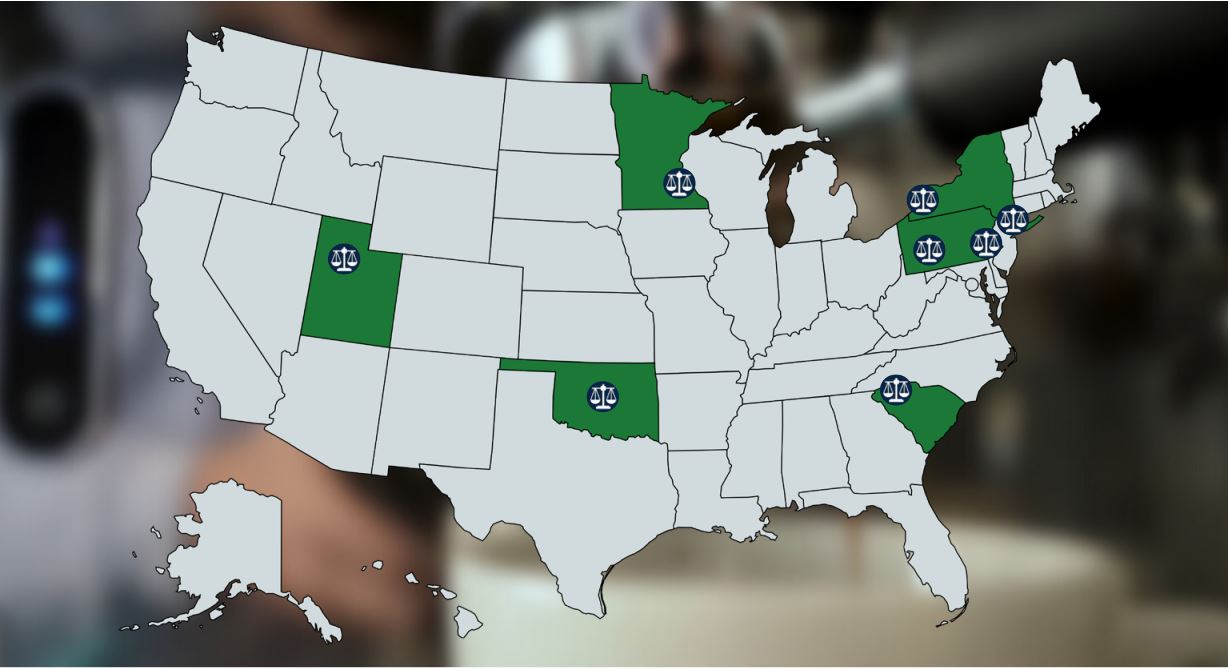
Since the beginning of this year, Starbucks employees in Manhattan, NY; Buffalo, NY; Pittsburgh, PA; Bloomington, MN; Salt Lake City, UT; Oklahoma City, OK; and Greenville, SC, have all sought free Foundation legal aid in pursuing decertification efforts against Workers United union bosses at the NLRB.
Outside of coffee shops, union decertification efforts are becoming much more common. Currently, the NLRB’s data shows a unionized private sector worker is far more likely to be involved in a decertification effort than their nonunion counterpart is to be involved in a unionization campaign. NLRB statistics also show that the number of worker-filed decertification petitions has increased each of the last three years.
“Workers United union officials seem to have a penchant for trying to expand their control over employees without regard for the employees’ interests,” commented National Right to Work Foundation Vice President and Legal Director William Messenger. “So it’s unsurprising that coffee employees nationwide are banding together to vote Workers United out.
“While we’re glad the Good Karma employees were able to successfully exercise their right to oust the unwanted union, it should be noted that NLRB officials across the country are blocking Starbucks employees from exercising that same right at the behest of Workers United union officials,” Messenger added. “Workers should be allowed to vote out unwanted unions, and the NLRB should not stifle that right based on union officials’ whims. That’s especially important as the Biden NLRB seeks to make several rule changes which will make it harder for workers to vote out union officials.”
Starbucks Workers Nationwide Rising Up Against Union Representation
The following article is from the National Right to Work Legal Defense Foundation’s bi-monthly Foundation Action Newsletter, September/October 2023 edition. To view other editions of Foundation Action or to sign up for a free subscription, click here.
Foundation provides free legal aid to Starbucks employees looking to remove unions
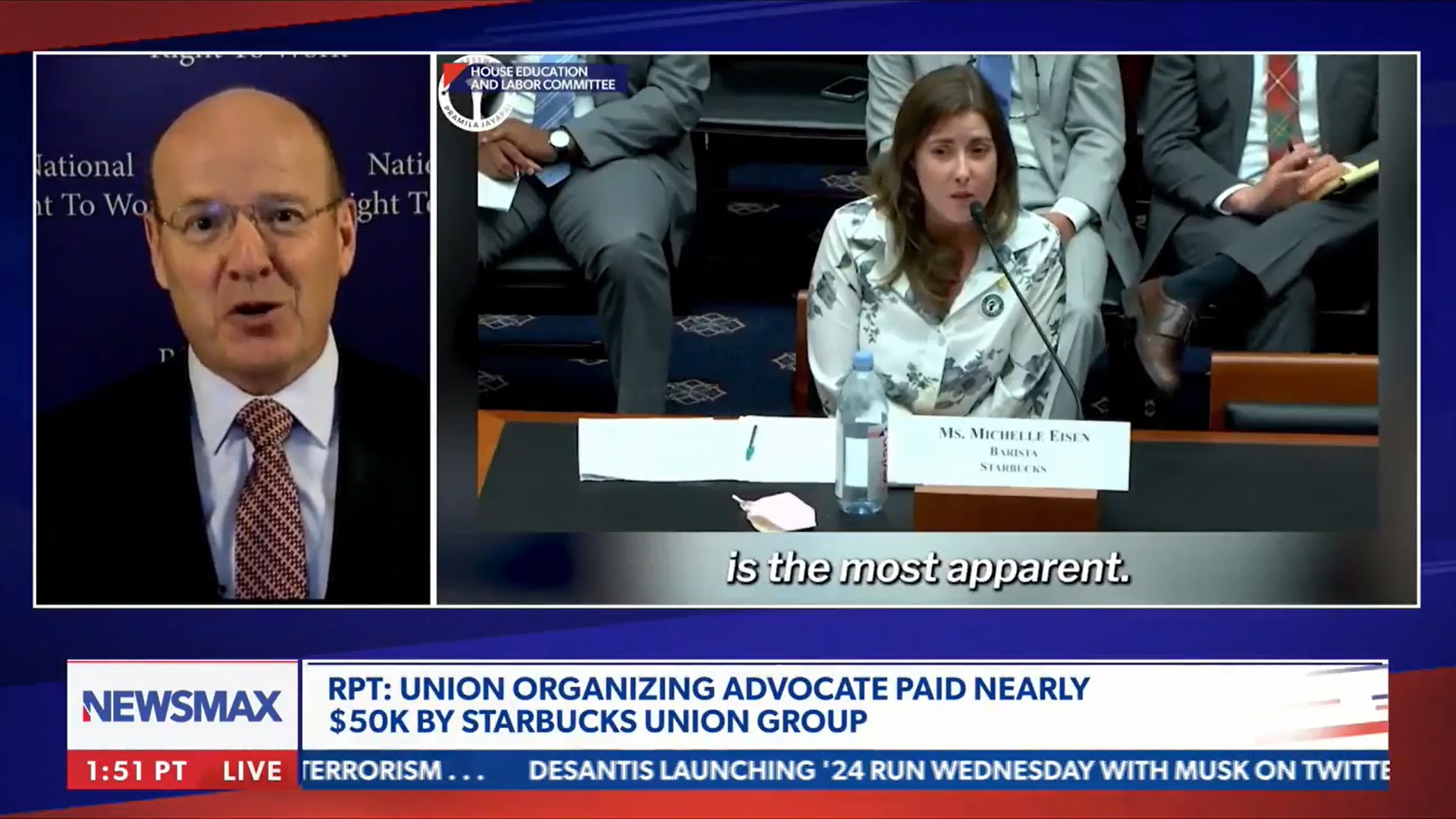
Mark Mix appeared on Newsmax TV this summer to discuss reports that union bosses spent millions to infiltrate Starbucks workforces with union agitators, many of whom hid their affiliations from their coworkers and even Congress.
WASHINGTON, DC – Union bosses and their bought-and-paid-for political allies like Sen. Bernie Sanders and Rep. Alexandria Ocasio-Cortez have been touting the unionization of some Starbucks locations as a breakthrough for Big Labor. But Starbucks employees under union control are increasingly realizing the drawbacks of having union bosses in the workplace and are banding together to say “NO” to union power.
In the last few months, employees at Starbucks locations in Manhattan and Buffalo, NY, Pittsburgh, PA, Minneapolis, MN, and Salt Lake City, UT, have all filed decertification petitions at the National Labor Relations Board (NLRB), requesting the agency hold elections at their stores to remove the Starbucks Workers United (SBWU) union. All have received free legal aid from National Right to Work Foundation attorneys.
But SBWU union officials — boosted by operatives from their notorious puppeteer, the Service Employees International Union (SEIU) — are fighting tooth and nail to remain in power at Starbucks locations where workers want them gone.
SBWU union officials are flooding the National Labor Relations Board (NLRB) with unrelated charges of alleged employer wrongdoing in an attempt to stall these decertification petitions.
Starbucks Worker’s Brief Blasts NLRB Double Standard on Elections
In June, Foundation staff attorneys filed a Request for Review with the NLRB in Washington, D.C., as a part of a case for Buffalo Starbucks worker Ariana Cortes. This request asks the Board to reverse an NLRB Regional Director’s order dismissing Cortes and her coworkers’ majority-backed petition for a decertification election on whether to remove SBWU.
The filing emphasizes that the employees want an election to remove a union that lacks the support of a majority of the workers. Employee free choice is a fundamental principle of the National Labor Relations Act (NLRA), and by denying these employees an election, the Board is undermining free choice.
The brief also observes the basis for blocking the vote is contradicted by the NLRB allowing union-backed certification elections to proceed with little or no delay. The result is that the SEIU is like a roach motel, easy to enter but impossible to leave.
Efforts to Boot SBWU Increasing Across Country
“They have treated us like pawns, promising us that we could remove them after a year if we no longer wanted their representation, and are now trying to stop us from exercising our right to vote,” Cortes said of SBWU union bosses. “It’s obvious they care more about power and control than respecting our individual rights.”
Cortes and her coworkers are not the only workers to become disillusioned with SBWU.
Foundation attorneys recently began representing employees at Starbucks branches at Pittsburgh’s Penn Center East, the Mall of America in Bloomington, MN, and Cottonwood Heights in the Salt Lake Valley, UT, who also submitted petitions demanding decertification votes on SBWU union officials.
“SBWU union bosses have not looked out for the interests of me and my fellow employees,” commented Pittsburgh Starbucks employee Elizabeth Gulliford. “We simply want to exercise our right to vote out a union that we don’t believe has done a good job, and both SBWU and Starbucks should respect that right and our final decision.”
The Starbucks employee-led decertification attempts all took place about one year after union power was installed at these stores — meaning workers seized the opportunity to decertify nearly as soon as legally possible. Federal labor law prevents workers from exercising their right to remove an unpopular union for at least one year after the union is installed.
Biden NLRB Propping Up Union Boss Attempts to Squash Votes
“It is becoming increasingly obvious that SBWU officials seek to extend their power over as many Starbucks workers as possible, with little regard for the employees they claim to ‘represent,’” commented National Right to Work Foundation Vice President and Legal Director William Messenger. “And as we’ve seen in Ms. Cortes’ case in Buffalo, Biden NLRB officials are more than willing to indulge union bosses’ legal maneuvers to cling onto power even when workers have clearly had enough.”
“SBWU officials should not seek to disenfranchise the Starbucks workers they claim to ‘represent’ as those workers try to flee the SBWU’s clutches,” Messenger added. “The union officials’ conduct shows why fundamental changes must be made to the NLRB’s election processes to better protect employee free choice.”
National Right to Work Foundation Issues Special Legal Notice to Infinity Healthcare Employees Amid SEIU Strike Threat
Foundation warns workers that those wishing to continue caring for patients during a strike should resign their memberships before returning to work
Chicago, IL (September 2, 2023) – The National Right to Work Legal Defense Foundation has issued a special legal notice to the approximately 1,000 Illinois nursing home workers who may be impacted by Service Employees’ International Union (SEIU)-Healthcare Illinois union officials’ planned strike order. If SEIU officials order the strike, employees from 11 Infinity Healthcare nursing facilities in the Chicago area will be ordered off the job.
The legal notice informs Infinity Healthcare workers of their rights, including their right to not abandon their patients and to keep working despite the union-ordered strike. The notice discusses why workers across the country frequently turn to the National Right to Work Foundation for free legal aid in such situations.
“This situation raises serious concerns for healthcare employees who believe there is much to lose from a union boss-ordered strike,” the notice reads. “Employees have the legal right to rebuff union officials’ strike demands, but it is important for them to be fully informed before they do so.”
The full notice is available at www.nrtw.org/infinity
The notice outlines the process that Infinity Healthcare workers should follow if they want to exercise their right to return to work during the strike and avoid punishment by union bosses, complete with sample union membership resignation letters. The notice reminds workers that SEIU union officials have no disciplinary power over workers who are not union members, and advises Infinity Healthcare employees who wish to work during the strike to resign their memberships at least one day before returning to work.
“That is the best way to avoid potential union fines and other discipline,” the notice says.
Further, the notice reminds employees of their rights to cut off all union dues payments in the absence of a monopoly bargaining contract with the nursing home company. The notice encourages employees to seek free legal aid from the Foundation if they experience union resistance as they attempt to exercise any of these rights.
“Infinity Healthcare employees are likely aware of the impact this strike may have on the Chicago senior population, and may rightfully question whether the upcoming union-ordered strike is really best for employees, their families, and their patients,” commented National Right to Work Foundation President Mark Mix. “Infinity Healthcare employees should know they unequivocally have the right to reject union strike orders and continue to care for those in need.”
“Any nursing facility employee who wants to exercise her or her right to rebuff SEIU union officials’ sweeping strike order should immediately contact the Foundation for free legal aid should SEIU bosses violate their legal rights,” added Mix.
Foundation Fights For Starbucks Workers Seeking to Oust Union
The following article is from the National Right to Work Legal Defense Foundation’s bi-monthly Foundation Action Newsletter, July/August 2023 edition. To view other editions of Foundation Action or to sign up for a free subscription, click here.
Majority of workers at flagship NYC Starbucks Roastery want decertification vote
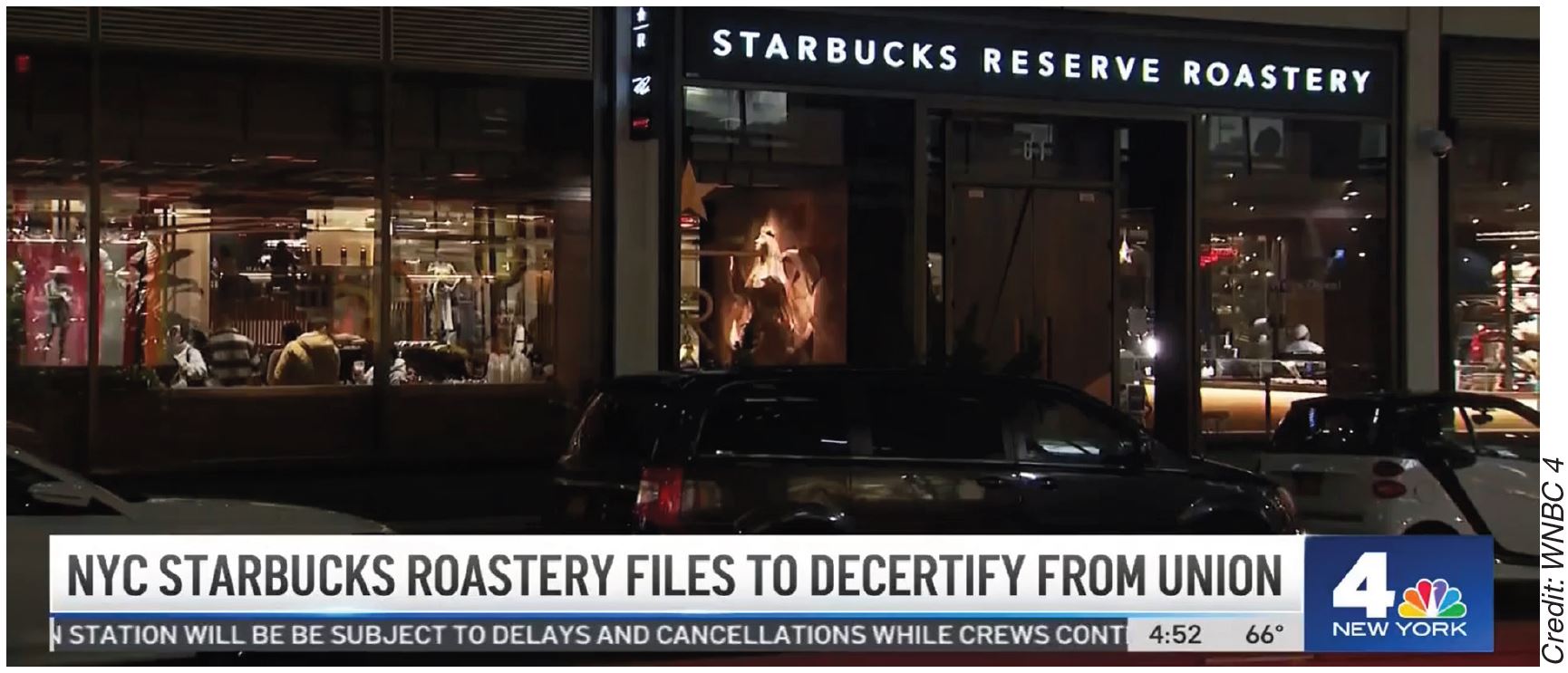
NEW YORK, NY – Union bosses and their bought-and-paid-for political allies have been touting Starbucks as the latest and greatest frontier in union organizing. But, as soon as legally permitted after several high-profile Starbucks unionization efforts, workers are already seeking to vote out union officials.
Kevin Caesar, an employee of the high-end Starbucks Reserve Roastery location in Manhattan, sought out Foundation legal aid this May. He sought assistance in submitting a petition backed by a majority of his colleagues to the National Labor Relations Board (NLRB) for a vote to remove, or “decertify,” Starbucks Workers United (SBWU), and their puppet-masters at the Service Employees International Union (SEIU), from the Roastery. Under the National Labor Relations Act (NLRA), workers must wait one year after a union is installed before seeking to remove it, meaning Caesar and his colleagues essentially filed their decertification petition as soon as allowed by the law.
“We have seen our workplace both with and without the union. We believe that the union is looking out for itself more than it is looking out for Starbucks partners, who do not want forced dues and who can advocate for ourselves,” stated Caesar about why he wants to be free of the union.
“That is why a majority of us have decided we would be better off without the union. The fact that the union officials have forced us to go through this decertification process despite the majority of workers stating they do not want to be represented by this union shows how little regard the union has for the will of the workers,” he added. “We call on union officials to respect our rights and not attempt to fight this vote.”
With the petition filed, the NLRB should now promptly schedule a secret ballot election to determine whether a majority of workers want to end union officials’ power to impose a contract, including forced dues, on the workers. However, SBWU officials have already announced they will seek to block the vote, a matter Foundation attorneys quickly opposed in a brief to the NLRB.
Worker Dissatisfaction with Unions Growing Nationwide
The Starbucks workers are just the latest example of growing dissatisfaction with union officials’ so-called “representation.” Currently, worker requests for Foundation aid in decertifying an unwanted union are at an all-time high. NLRB statistics similarly show a 20% increase in decertification petitions last year versus 2021.
Unfortunately, the NLRB’s union decertification process is prone to union boss-created roadblocks, which can impact the Starbucks workers if union officials plot to stay in power regardless of workers’ wishes. Foundation-backed NLRB reforms from 2020, collectively known as the “Election Protection Rule,” have made it somewhat easier for workers to escape unwanted union “representation,” by eliminating the most egregious “blocking charge” tactics used by union bosses to delay or stop decertification elections entirely. “Blocking charges” are unverified union boss allegations of employer misconduct, often unrelated to workers’ desire to decertify.
Currently, the Biden-appointed NLRB majority is conducting rulemaking to roll back these protections and make it much harder for workers to decertify a union.
Foundation Provides Legal Notice to Starbucks Employees
After being in contact with multiple Starbucks workers interested in how to resist union control, the Foundation issued a legal notice informing employees of the coffee chain of their right to petition for a vote to oust an unpopular union.
“No worker anywhere should be forced under so-called union ‘representation’ they oppose,” commented National Right to Work Foundation President Mark Mix. “Starbucks workers around the nation that fall victim to union tyranny should know they can turn to Foundation staff attorneys for assistance.”
“Foundation staff attorneys are now fighting to ensure that these workers are not denied the vote that they are entitled to under federal law to remove union control they oppose,” continued Mix. “Union bosses should not be allowed to keep their grip on power simply by disenfranchising those they claim to ‘represent.’”
San Francisco Security Officer Battles Illegal SEIU Union Boss Discrimination
The following article is from the National Right to Work Legal Defense Foundation’s bi-monthly Foundation Action Newsletter, March/April 2023 edition. To view other editions of Foundation Action or to sign up for a free subscription, click here.
Case builds on Foundation wins for workers with religious objections to union affiliation
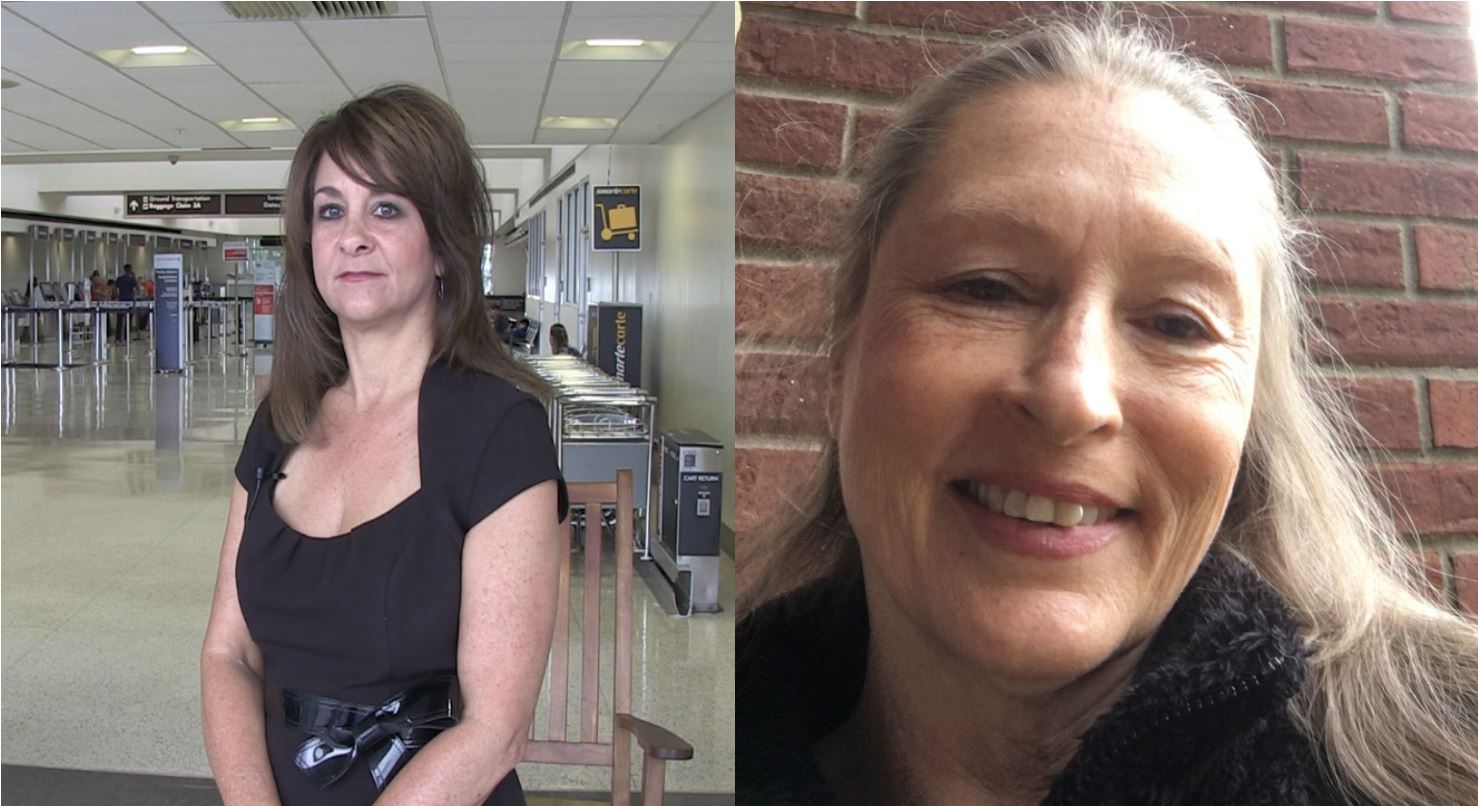
Last year was a banner year for workers of faith who sought free Foundation legal aid. Charlene Carter (left) and Dorothy Frame (right) both prevailed after facing discrimination for opposing union politics on religious grounds.
SAN FRANCISCO, CA – States like California that lack Right to Work laws grant immense powers to union bosses within their borders: They can legally have any employee fired under their monopoly control who refuses to pay dues to the union hierarchy.
However, thanks to the continuing successes of National Right to Work Foundation attorneys’ cutting-edge legal actions, employees with sincere religious objections to union affiliation are entitled to a religious accommodation under Title VII of the Civil Rights Act of 1964 that permits them to stop funding a union. That applies even when other workers who do not have religious conflicts can be forced to pay up or be fired.
But Service Employees International Union (SEIU) bosses in San Francisco apparently can’t be bothered with obeying the law.
SEIU Chiefs Ignored Legal Requirement to Accommodate Employee
Thomas Ross, a San Francisco-area security officer employed by Allied Universal Security Services, is receiving free legal representation from Foundation attorneys in his case charging the SEIU and his employer with forcing him to join and financially support the union — after he told both parties his religious beliefs forbid union support.
Ross is a Christian and opposes union affiliation on religious grounds. Under U.S. civil rights law, unions and employers are required to accommodate religious objections to union payments. Additionally, the National Labor Relations Act (NLRA) prohibits unions and employers from forcing employees to join a union.
Because the SEIU union’s and Allied Universal’s demands violate both statutes, Ross filed two sets of federal charges with Foundation aid. The charges will be investigated by the Equal Employment Opportunity Commission (EEOC) and National Labor Relations Board (NLRB).
According to his EEOC discrimination charges, Ross informed both the SEIU union and Allied Universal when he was hired in 2020 that his religious beliefs forbid union membership. He also asked for a religious accommodation.
Union Bosses Issued Blatantly Illegal Compulsory Membership Demand
Not only did both SEIU and Allied Universal ignore Ross’ request, but in July 2022, “Allied Universal . . . demanded that [he] sign a payroll deduction, join the union, and pay union dues.”
On August 31, 2022, Ross reminded Allied Universal of his religious objection to paying union dues, but on September 15, 2022, Ross’ “employer stated that union membership was compulsory and deducted union fees” from his paycheck without his consent. That is a clear violation of longstanding law, even for workers not seeking a religious accommodation.
Workers nationwide frequently turn to the National Right to Work Foundation for free legal aid when union chiefs snub their requests for religious accommodations or otherwise discriminate against them based on their religious beliefs. Last year, Foundation attorneys scored extraordinary victories for workers who faced union malfeasance after they resisted union affiliation on religious grounds.
Foundation Attorneys Notched Big Wins for Religious Freedom in 2022
In July 2022, Foundation staff attorneys won a multi-million-dollar jury verdict for Southwest flight attendant Charlene Carter, who had been ridiculed and later fired for voicing her religious opposition to the Transport Workers Union’s (TWU) political positions. Foundation attorneys also later won a federal court judgment for Carter, in which the judge ordered that Carter be reinstated and given the maximum amount of compensatory and punitive damages permitted by federal law.
“Bags fly free with Southwest,” began the decision. “But free speech didn’t fly at all with Southwest in this case.”
In March 2022, also with Foundation aid, Fort Campbell custodial worker Dorothy Frame won a settlement gaining a religious accommodation after Laborers International Union (LIUNA) officials unlawfully questioned her religious belief that she could not support the union’s political activities.
“The Foundation is proud to help working men and women who courageously stand up for their beliefs even in the midst of union coercion,” commented National Right to Work Foundation Vice President and Legal Director Raymond LaJeunesse. “However, it’s important to recognize that, regardless of whether an employee’s objection to union affiliation is religious or not, no American worker should ever be forced to subsidize union activities they oppose.”
SF Security Officer Slams SEIU Union and Allied Universal with Federal Charges for Discrimination & Unfair Labor Practices
Despite informing both management and union of religious objections to union membership and financial support, employer seized money from worker’s paycheck for union
San Francisco, CA (November 10, 2022) – Thomas Ross, a San Francisco-based security officer employed by Allied Universal, has hit union officials affiliated with the Service Employees International Union (SEIU) and his employer with two sets of federal charges for forcing him to join and financially support the union after he told both parties his religious beliefs forbid union support. He is receiving free legal aid from National Right to Work Foundation staff attorneys.
Ross filed both federal discrimination charges, which will now be investigated by the Equal Employment Opportunity Commission (EEOC), and unfair labor practice charges, which will be handled by the National Labor Relations Board (NLRB).
Ross is a Christian and opposes union affiliation on religious grounds. Title VII of the Civil Rights Act of 1964 prohibits unions and employers from discriminating against employees on the basis of religion. Title VII thus forbids forcing individuals to fund or support a union, the activities of which conflict with their religion. It also requires unions and employers to accommodate religious objections to union payments. Yet, according to Ross’ discrimination charges, SEIU union bosses flatly denied a request he made for such an accommodation.
Ross’ unfair labor practice charges, filed at NLRB Region 20, state that SEIU bosses and Allied Universal officials breached basic federal law by telling him that union membership is mandatory. The National Labor Relations Act (NLRA) protects private sector workers’ right to abstain from any or all union activities, and forced union membership is prohibited regardless of an individual worker’s reason for not wanting to affiliate with a union.
California’s lack of Right to Work protections for its private sector workers means that union officials are granted the power to force workers to pay them fees or be fired in workplaces where they maintain power. However, under federal law, employees with religious objections cannot be compelled to pay such fees. In Right to Work states, in contrast, no worker can be fired for refusal to financially support a union.
Union’s Discriminatory Demands Violate Both Title VII and Basic Federal Labor Law
According to his discrimination charges, Ross informed both the SEIU union and Allied Universal when he was hired in 2020 that his religious beliefs disallowed union membership and that he needed an accommodation. In addition to ignoring that request, his charges state that on July 20, 2022, “Allied Universal…demanded that I sign a payroll deduction, join the unions, and pay union dues.”
On August 31, 2022, Ross reminded Allied Universal of his religious objection to paying union dues, but on September 15, 2022, Ross’ “employer stated that union membership was compulsory and deducted union fees” from his paycheck without his consent.
Ross’ unfair labor practice charges state that those deductions violate the NLRA, because that statute prohibits the deduction of union dues and fees unless the employee has signed a written authorization. Ross’ discrimination charges argue that both his employer and the union have also violated his rights “under Title VII of the Civil Rights Act of 1964” and parallel state non-discrimination laws.
Foundation Attorneys Regularly Win Cases for Workers Facing Religious Discrimination
Workers nationwide frequently turn to the National Right to Work Foundation for free legal aid when union chiefs snub their requests for religious accommodations or otherwise discriminate against them based on their religious beliefs.
This past July, Foundation staff attorneys scored a multi-million-dollar jury verdict for former Southwest flight attendant Charlene Carter, whom Transport Workers Union (TWU) officials subjected to ridicule based on her religious opposition to union activities. This March, also with Foundation aid, Fort Campbell custodial worker Dorothy Frame won a settlement gaining a religious accommodation after Laborers’ (LIUNA) union officials unlawfully questioned her religious belief that she could not support financially the union’s political activities.
“The Foundation is proud to help working men and women who courageously stand up for their beliefs even in the midst of union coercion,” commented National Right to Work Foundation President Mark Mix. “However, it’s important to recognize that, regardless of whether an employee’s objection to union affiliation is religious in nature or not, no American worker should ever be forced to subsidize union activities they oppose.”
Electrician Files Discrimination Lawsuit Challenging Forced Union Fees
The following article is from the National Right to Work Legal Defense Foundation’s bi-monthly Foundation Action Newsletter, January/February 2020 edition. To view other editions or to sign up for a free subscription, click here.
Boston College and SEIU officials ignored reasonable request to accommodate religious beliefs
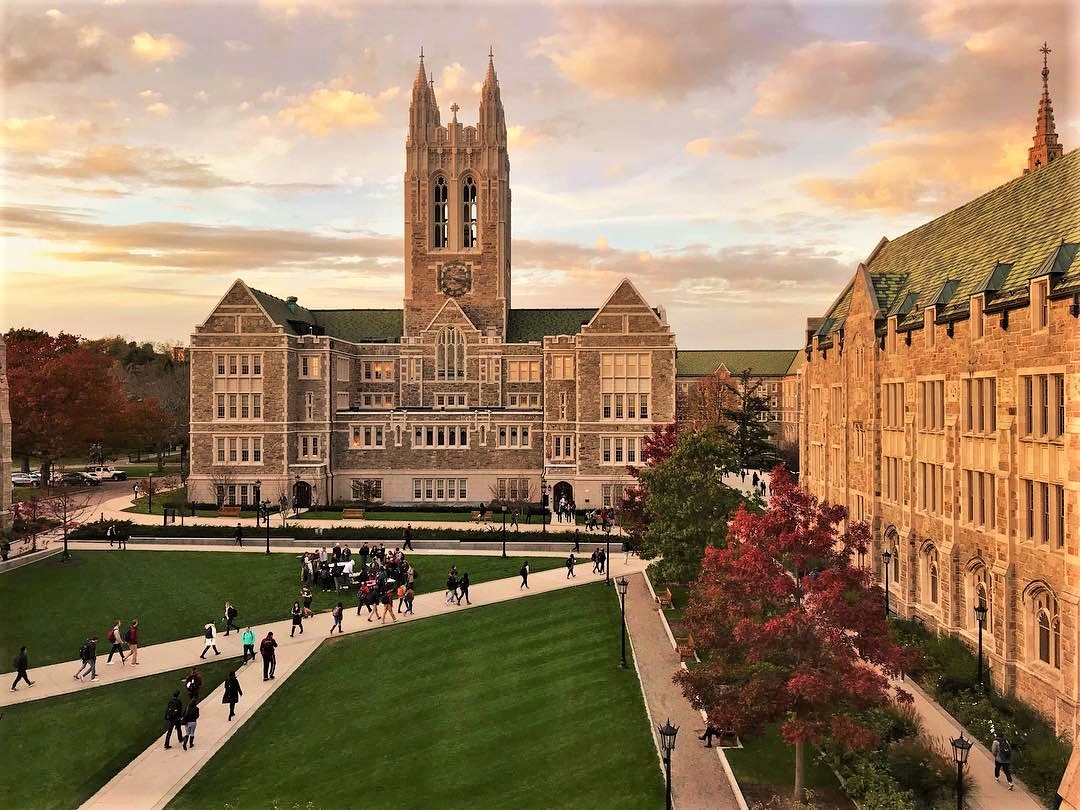 Boston College officials seized union fees from electrician Ardeshir Ansari’s paycheck at the behest of SEIU bosses, even after he had informed them that such fees violate his religious beliefs.
BOSTON, MA – In November, National Right to Work Foundation staff attorneys filed a federal Title VII religious discrimination lawsuit for a Boston College electrician whose rights were violated by the Service Employees International Union (SEIU) in illegally demanding union fees. The lawsuit also names his employer, Boston College, for its role in the discrimination.
Ardeshir Ansari objects to supporting the union based on deeply held religious beliefs. Under the local SEIU’s monopoly bargaining agreement at Boston College, however, he was told that he must join or financially support the SEIU or be fired. To avoid being fired, Ansari unwillingly paid fees to the union in violation of his sincere religious beliefs.
On October 1, 2018, Ansari sent a letter to Boston College and the SEIU, informing them his religious beliefs conflict with joining or financially supporting the union. He asked that his union fees be diverted to charity instead of being sent to the union, an established remedy for such a conflict.
Instead of responding, the college continued to take a cut of his paycheck and send it to SEIU officials in violation of his sincerely held religious beliefs.
In response, Ansari filed charges with the Equal Employment Opportunity Commission (EEOC) against college and union officials. The EEOC then determined that both Boston College and the SEIU had violated Title VII.
Last September, the EEOC gave Ansari a right-to-sue letter, which authorized him to file a lawsuit under Title VII of the Civil Rights Act of 1964. That federal law prohibits employers and unions from discriminating against an individual based on his or her religious beliefs.
In November, Foundation staff attorneys filed a lawsuit for Ansari against Boston College and the SEIU for illegally discriminating against him by failing to reasonably accommodate his religious beliefs, violating his rights under Title VII.
The lawsuit demands that college and SEIU local officials pay all fees deducted from Ansari’s paycheck to a charity mutually agreed upon and seeks damages for the emotional distress he suffered while his rights were violated for more than a year.
EEOC Found Religious Discrimination by SEIU
Moreover, the Title VII lawsuit asks the court to prevent the college from continuing to discriminate against his religious beliefs and that the union be required to inform workers that those with religious objections to the payment of union fees are entitled by law to pay those fees to a charity instead.
“Workers with sincere religious objections to joining or funding a union are legally protected from being forced to violate their conscience,” said National Right to Work Foundation Vice President and Legal Director Ray LaJeunesse. “No one should ever be forced to choose between keeping a job to provide for their family and violating their deeply held religious beliefs by supporting a union.”
“Right to Work laws protect workers like Mr. Ansari from this kind of discrimination. Under those laws, workers can stop paying union fees and resign union membership for any reason and thus avoid illegal religious discrimination,” added LaJeunesse.





