
San Antonio Airport Fuel Workers Opposed to Forced Dues Win Freedom from Unwanted Machinists Union Bosses
Faced with overwhelming, majority-backed petition to remove the union, IAM union officials left rather than face election defeat
San Antonio, TX (August 21, 2026) – Fueling employees with Allied Aviation Fueling Company of San Antonio have regained their workplace freedom from the International Association of Machinists and Aerospace Workers (IAM), District 142. The workers, who operate and maintain the fueling facilities of San Antonio International Airport (SAT), filed a petition for a “decertification” election earlier in August. Employee Matthew Garwood, the lead petitioner, received assistance from National Right to Work Foundation staff attorneys.
The petition was filed with the National Labor Relations Board (NLRB), the federal agency responsible for enforcing federal labor law, a task that includes administering elections to install (or “certify”) and remove (or “decertify”) unions. The petition was signed by the majority of fuel workers, easily surpassing the threshold of signatures needed for the NLRB to schedule a decertification vote.
However, before the vote could be scheduled, IAM District 142 union bosses, likely fearing a defeat in a secret-ballot election, formally “disclaimed interest” in the bargaining unit, meaning that they withdrew their claim of monopoly bargaining powers over the workers. As a result, the approximately 38 airline fueling workers are now free to negotiate directly with their employer.
“The IAM was not negotiating in our best interests,” said Garwood. “We are grateful to have regained control over our workplace after being confronted with a poorly-written contract that negatively impacted employees in multiple ways and threatened us with forced dues just to stay employed.”
Union Bosses Tried to Circumvent State and Federal Law
Texas is one of 26 states with a Right to Work law, which safeguards workers by making union membership and dues payment strictly voluntary. However, the IAM was attempting to claim the employees were subject to the Railway Labor Act, which overrides worker protections against forced dues provided by state Right to Work laws.
Ultimately though, despite pushing for mandatory dues in the union contract, IAM union officials were apparently unwilling to defend the claim that these workers were covered by the Railway Labor Act before the NLRB.
“Union bosses have no shortage of tricks to use when trying to maintain their stranglehold on hardworking Americans’ paychecks, but in this case, the workers of Allied Aviation made their will abundantly clear,” commented National Right to Work Foundation President Mark Mix. “We are grateful to have assisted these workers as they exercised their rights, and especially pleased that they were able to regain their workplace so quickly.
“Cases like these demonstrate why all hardworking Americans need Right to Work protections to ensure union affiliation and financial support is strictly voluntary, including those who might fall under the jurisdiction of the Railway Labor Act because they work in the railroad or airline industry,” added Mix.
Court of Appeals Hearing Arguments in Case Brought by Southwest Flight Attendant Who Was Illegally Fired for Criticizing Union Officials
District Court jury found and federal judge ruled: TWU union and Southwest violated multiple federal laws in firing Charlene Carter
New Orleans, LA (June 3, 2024) – Today, a three-judge panel of the United States Fifth Circuit Court of Appeals is hearing arguments in an appeal of a 2022 District Court decision that found that Southwest Airlines and the Transport Workers Union (TWU) Local 556 illegally fired veteran flight attendant Charlene Carter in retaliation for Carter expressing her religious beliefs. Carter filed the lawsuit in 2017 with free legal aid from the National Right to Work Legal Defense Foundation.
Her lawsuit against the TWU Local 556 union and Southwest challenged her termination by Southwest at the behest of TWU union officials as a violation of both the Railway Labor Act and Title VII of the Civil Rights Act. In 2022, a jury in the U.S. District Court for the Northern District of Texas awarded Carter $5.1 million in combined compensatory and punitive damages against TWU and Southwest for their respective roles in her unlawful termination.
In December 2022, the U.S. District Court for the Northern District of Texas ordered Southwest and the union to give Carter the maximum amount of compensatory and punitive damages permitted under federal law, plus back-pay, and other forms of relief that a jury originally awarded following Carter’s victory in a July 2022 trial. The Court also ordered that Carter be reinstated as a flight attendant at Southwest, writing that, “Southwest may ‘wanna get away’ from Carter because she might continue to express her beliefs, but the jury found that Southwest unlawfully terminated Carter for her protected expressions.”
Both the union and Southwest appealed their loss to the Court of Appeals, resulting in today’s arguments.
Flight Attendant Challenged Union Officials for Their Political Activism
Carter resigned from union membership in 2013 but was still forced to pay fees to TWU Local 556 as a condition of her employment. The Railway Labor Act (RLA), the federal law that governs labor relations in the air and rail industries, permits the firing of employees for refusal to pay dues and preempts the protections that state Right to Work laws provide.
However, the RLA does protect employees’ rights to refrain from union membership, to speak out against the union and its leadership, and to advocate for changing the union’s current leadership.
In January 2017, Carter, a pro-life Christian, learned that then-TWU Local 556 President Audrey Stone and other Local 556 officials used union dues to attend a political rally in Washington, D.C., which was sponsored by activist groups she deeply opposed, including Planned Parenthood.
Carter, a vocal critic of Stone and the union, sent private Facebook messages to Stone challenging the union’s support for political positions that were contrary to Carter’s beliefs, and expressing support for a recall effort that would remove Stone from power. Carter also sent Stone a message emphasizing her commitment to a National Right to Work law after the union had sent an email to employees telling them to oppose Right to Work.
After a meeting at which Southwest officials confronted Carter about her posts protesting union officials’ positions, the company fired Carter. In 2017, Carter filed her federal lawsuit challenging the firing as a clear violation of her rights under two federal laws. She maintained that she lost her job because of her religious beliefs and criticized how union officials spent employees’ dues and fees on political activism.
Ultimately, after an eight-day July trial, a federal jury agreed with Carter and her Foundation staff attorneys. In email communications unearthed and introduced at trial by Foundation staff attorneys, TWU union militants advocated for “targeted assassinations” of union dissidents and mocked Carter for being unable to stop her money from going toward union-backed causes she opposed.
“Southwest and TWU union officials made Ms. Carter pay an unconscionable price just because she decided to speak out against the political activities of union officials in accordance with her deeply held religious beliefs,” stated National Right to Work Foundation President Mark Mix. “Yet rather than comply with the jury’s decision and the District Court order, Southwest and TWU union bosses have decided to attempt to defend their ‘targeted assassinations’ against a vocal union critic.
“We are proud to defend Ms. Carter throughout this prolonged legal case to vindicate her rights,” added Mix. “Ultimately, her case should prompt nationwide scrutiny of union bosses’ coercive, government-granted powers over workers, especially in the airline and rail industries, because even after winning her reinstatement Charlene and her colleagues at Southwest and other airlines under union control are forced, as per the Railway Labor Act, to pay money to union officials just to keep their jobs.”
Flight Attendant Fired Over Religious Beliefs at Behest of TWU Union and Southwest Airlines Wins Reinstatement
TWU union and Southwest retaliated against employee for speaking out against political stances and activities of union leadership that violated her religious beliefs
Dallas, TX (December 7, 2022) – With free legal aid from National Right to Work Foundation attorneys, former Southwest Airlines flight attendant Charlene Carter has again triumphed in her federal lawsuit charging Transport Workers Union (TWU) officials and Southwest with illegally firing her over her religious beliefs and opposition to the union’s political activity.
The U.S. District Court for the Northern District of Texas this week ordered Southwest and the union to give Carter the maximum amount of compensatory and punitive damages permitted under federal law, plus back-pay, and other forms of relief that a jury originally awarded following Carter’s victory in a July trial.
“Bags fly free with Southwest,” begins the decision. “But free speech didn’t fly at all with Southwest in this case.”
The Court rejected union and airline arguments and also ordered that Carter should be fully reinstated as a flight attendant at Southwest, writing that “Southwest may ‘wanna get away’ from Carter because she might continue to express her beliefs, but the jury found that Southwest unlawfully terminated Carter for her protected expressions.” If only “front pay,” or what she would be making in wages until she finds a new job, is awarded, the Court reasoned, “the Court would complete Southwest’s unlawful scheme” of firing dissenting employees.
Following the District Court’s decision, National Right to Work Foundation President Mark Mix issued the following statement regarding Carter’s victory:
“Southwest and TWU union officials made Ms. Carter pay an unconscionable price just because she decided to speak out against the political activities of union officials in accordance with her deeply held religious beliefs. This decision vindicates Ms. Carter’s rights – but it’s also a stark reminder of the retribution that union officials will mete out against employees who refuse to toe the union line.
“Ms. Carter’s victory should prompt nationwide scrutiny of union bosses’ coercive, government-granted powers over workers, especially in the airline and rail industries. Even after her victory, she and her colleagues at Southwest and other airlines under union control are forced, as per the Railway Labor Act, to pay money to union officials just to keep their jobs.”
Flight Attendant Called Out Union Officials for Their Political Activities
As a Southwest employee, Carter joined TWU Local 556 in September 1996. A pro-life Christian, she resigned her membership in September 2013 after learning that her union dues were being used to promote causes that violate her conscience and have nothing to do with her workplace.
Carter resigned from union membership, but was still forced to pay fees to TWU Local 556 as a condition of her employment. State Right to Work laws do not protect her and her fellow flight attendants from forced union fees because airline and railway employees are covered by the federal Railway Labor Act (RLA). The RLA allows union officials to have a worker fired for refusing to pay union dues or fees. But it does protect the rights of nonmembers of the union who are forced to associate with a union, including the rights to criticize the union and its leadership, and advocate for changing the union’s current leadership.
In January 2017, Carter learned that Audrey Stone, the union president, and other TWU Local 556 officials used union money to attend the “Women’s March on Washington D.C.,” which was sponsored by political groups she opposed, including Planned Parenthood.
Carter, a vocal critic of Stone and the union, took to social media to challenge Stone’s leadership and to express support for a recall effort that would remove Stone from power. Carter also sent Stone a message affirming her commitment to both the recall effort and a National Right to Work law after the union had sent an email to employees telling them to oppose Right to Work.
After Carter sent Stone that email, Southwest managers notified Carter that they needed to have a mandatory meeting as soon as possible about “Facebook posts they had seen.” During this meeting, Southwest presented Carter screenshots of her pro-life posts and messages and questioned why she made them.
Carter explained her religious beliefs and opposition to the union’s political activities. Carter said that, by participating in the Women’s March, President Stone and TWU Local 556 members purported to represent all Southwest flight attendants. Southwest authorities told Carter that President Stone claimed to be harassed by Carter’s messages. A week after this meeting, Southwest fired Carter.
Flight Attendant Sues Southwest and TWU for Illegal Firing
In 2017, Carter filed her federal lawsuit with help from Foundation staff attorneys to challenge the firing as an abuse of her rights, alleging she lost her job because of her religious beliefs, standing up to TWU Local 556 officials, and criticizing the union’s political activities and how it spent employees’ dues and fees.
This week’s decision, in addition to awarding reinstatement, back-pay, prejudgment interest, and damages to Carter, also hits the TWU union and Southwest with injunctions forbidding them from discriminating against flight attendants for their religious beliefs and from failing to accommodate religious objectors. The decision also explicitly prohibits Southwest and the union from discriminating against Carter for exercising her rights under the RLA. Carter may, under the RLA, object to the forced payment of the part of dues used for political and other lawfully nonchargeable union expenses, pursuant to the National Right to Work Foundation’s U.S. Supreme Court victory in Ellis v. Railway Clerks (1984).
Another recent order in the case sanctions Southwest and union attorneys for failing to obey a court order requiring them to make a witness available for a deposition. Southwest and the TWU union are required to pay Carter more than $25,000 in fees and costs. The Court will later award Carter additional fees and costs as a result of the final judgment in her favor.
Flight Attendant Battling Religious Discrimination Beats Union Attempt to End Case
The following article is from the National Right to Work Legal Defense Foundation’s bi-monthly Foundation Action Newsletter, July/August 2022 edition. Read here about how flight attendant Charlene Carter eventually won a jury verdict for $5.1 million. To view other editions of Foundation Action or to sign up for a free subscription, click here.
Judge rules flight attendant’s case against union & airline should proceed to trial
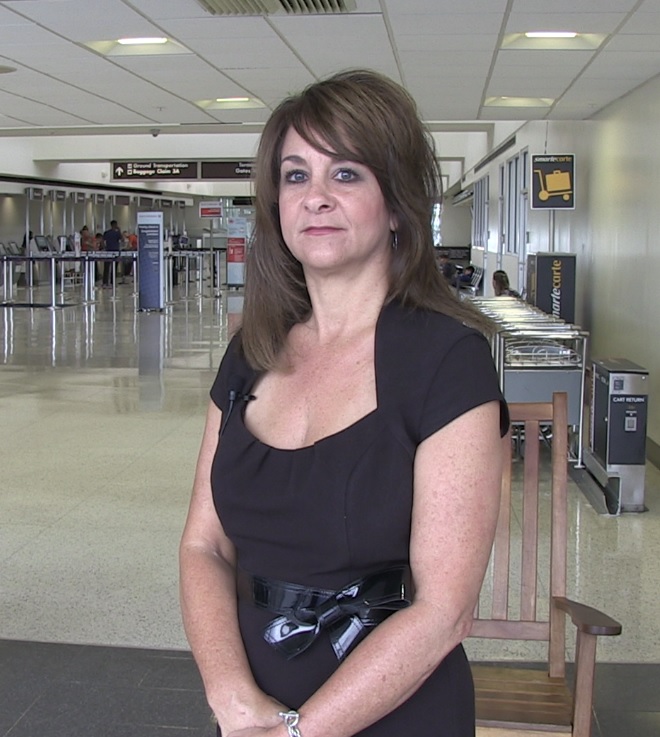
Case Cleared for Takeoff: Charlene Carter’s lawsuit against TWU union bosses for firing her over her religious beliefs and support for Right to Work is now going to trial.
DALLAS, TX – On May 5, a federal judge ruled that former Southwest Airlines flight attendant Charlene Carter’s case charging Transportation Workers Union (TWU) officials and Southwest management with firing her illegally because of her exercise of her religious beliefs will continue at the U.S. District Court in Dallas. In doing so, the judge rejected requests from TWU and Southwest that they be granted an early victory in the case.
The judge tossed arguments from Southwest Airlines lawyers that Carter lacks a “private right of action” to enforce her rights under the Railway Labor Act (RLA), and its arguments that her case concerned only a “minor” dispute over interpretation of the union contract, which is outside the District Court’s jurisdiction.
He also rejected TWU’s and Southwest’s contentions that an arbitrator’s findings in a grievance under their monopoly bargaining agreement should control the claims in this case.
Flight Attendant Called Out Union Officials for Their Political Activities
As a Southwest employee, Carter joined TWU Local 556 in September 1996. A pro-life Christian, she resigned from union membership in September 2013 after learning that her union dues were being used to promote causes that violate her sincerely held religious beliefs.
Although Carter resigned from union membership, she was still forced to pay fees to TWU Local 556 as a condition of her employment. State Right to Work laws do not protect her from forced union fees because airline and railway employees are covered by the RLA.
The RLA allows union officials to have a worker fired for refusing to pay union dues or fees. But it also protects employees’ rights to remain non-members of the union, to criticize the union and its leadership, and advocate for changing the union’s current leadership or removing the union altogether.
Carter sent TWU Local 556 President Audrey Stone Facebook messages sharply criticizing the union and its officials upon learning that they had used union dues to support political causes and events she opposed. The Court’s ruling noted that forced fees from objecting workers like Carter were used to fund such activities.
Carter took to social media to challenge Stone’s leadership and to express support for a recall effort that would remove Stone from power. Carter sent Stone messages affirming her commitment to both the recall effort and her support for a National Right to Work law after the union had emailed employees urging them to oppose Right to Work.
Carter was notified by Southwest managers that they needed to have a mandatory meeting as soon as possible about her personal “Facebook posts they had seen.” During this meeting, Southwest interrogated Carter about her posts and messages, as well as her Facebook messages to Stone opposing the union’s activities.
Carter explained her religious beliefs and opposition to the union’s political activities — opposition protected by the RLA. However, a week after this meeting, Southwest fired Carter.
In 2017, Carter filed her federal lawsuit with help from Foundation staff attorneys to challenge the firing as an abuse of her rights. Her suit asserts she lost her job because of her religious beliefs, her opposition to TWU Local 556 officials, and criticism of the union’s political activities and spending of employees’ dues and fees.
Federal Judge Rebuffs Union and Airline Attempts to End Case Early
“[H]aving determined that Carter has a private right of action under [the RLA] and that this case concerns a major dispute,” the federal judge assigned to the case ruled that genuine disputes of material fact exist and the case must proceed to trial.
“This decision is an important step towards long overdue justice for Charlene. The ruling rejects several attempts by Southwest and union officials to deny Ms. Carter’s right to bring this case in federal court to enforce her federally protected speech and association rights,” commented National Right to Work Foundation Vice President and Legal Director Raymond LaJeunesse.
Federal Judge Rejects Attempt by TWU Union and Southwest to Thwart Flight Attendant’s Religious Discrimination Suit
Flight attendant’s case will go to trial at District Court in Dallas
Dallas, TX (May 10, 2022) – A federal judge has ruled that Southwest flight attendant Charlene Carter’s federal lawsuit, in which she is suing Transportation Workers Union of America (TWU) Local 556 officials and Southwest for illegally firing her over her religious opposition to abortion, will continue at the US District Court in Dallas. Carter is receiving free legal representation from National Right to Work Legal Defense Foundation staff attorneys.
District Court Judge Brantley Starr ruled late last week denying the TWU union’s and Southwest Airlines’ motions for summary judgment, which would have given the union and airline an early victory in the case. Starr affirmed in the decision that the case must move to trial because “genuine disputes of material fact preclude summary judgment” on all claims.
Flight Attendant Called Out Union Officials for Their Political Activities
As a Southwest employee, Carter joined TWU Local 556 in September 1996. A pro-life Christian, she resigned her membership in September 2013 after learning that her union dues were being used to promote social causes that violate her conscience and religious beliefs.
Carter resigned from union membership but was still forced to pay fees to TWU Local 556 as a condition of her employment. State Right to Work laws do not protect her from forced union fees because airline and railway employees are covered by the federal Railway Labor Act (RLA). The RLA allows union officials to have a worker fired for refusing to pay union dues or fees. But it does protect the rights of employees to remain nonmembers of the union, to criticize the union and its leadership, and advocate for changing the union’s current leadership.
In January 2017, Carter learned that Audrey Stone, the union president, and other TWU Local 556 officials used union dues to attend the “Women’s March on Washington D.C.,” which was sponsored by political groups she opposed, including Planned Parenthood. Carter’s lawsuit alleges that Southwest knew of the TWU Local 556 activities and participation in the Women’s March and helped accommodate TWU Local 556 members wishing to attend the March by allowing them to give their work shifts to other employees not attending that protest.
Carter, a vocal critic of Stone and the union, took to social media to challenge Stone’s leadership and to express support for a recall effort that would remove Stone from power. Carter also sent Stone a message affirming her commitment to both the recall effort and a National Right to Work law after union officials sent an email to employees telling them to oppose Right to Work.
After sending Stone that email, Carter was notified by Southwest managers that they needed to have a mandatory meeting as soon as possible about “Facebook posts they had seen.” During this meeting, Southwest presented Carter screenshots of her pro-life posts and messages and questioned why she made them.
Carter explained her religious beliefs and opposition to the union’s political activities. Carter said that, by participating in the Women’s March, President Stone and TWU Local 556 members purported to be representing all Southwest flight attendants. Southwest authorities told Carter that President Stone claimed to be harassed by Carter’s messages. A week after this meeting, Southwest fired Carter.
In 2017, Carter filed her federal lawsuit with help from Foundation staff attorneys to challenge the firing as an abuse of her rights, alleging she lost her job because of her religious beliefs, standing up to TWU Local 556 officials, and criticizing the union’s political activities and how it spent employees’ dues and fees.
Federal Judge: Flight Attendant’s Claims Against Southwest and Union Should Go to Trial
Notably, the District Court’s decision tosses arguments made by Southwest’s lawyers that Carter lacks a “private right of action” to enforce her fights under the Railway Labor Act (RLA), and arguments that her case concerned only a “minor” dispute over interpretation of the union contract that is outside the purview of the District Court.
The District Court’s ruling instead recognizes that the RLA’s explicit protection for employees’ free association rights means that Carter, who was fired for opposing the union based on its politics, “does have a private right of action” under the RLA.
The District Court re-affirmed its prior ruling that classifying the suit as a “minor dispute” is inappropriate, because “Carter had plausibly alleged that she engaged in protected speech and activity” and those claims “do not rest on and require interpretation of the collective bargaining agreement.”.
“[H]aving determined that Carter has a private right of action under [the RLA] and that this case concerns a major dispute,” the court ruled that a genuine dispute of material fact precludes summary judgment on this claim.
The decision also rejects an argument by Southwest and the union that the District Court is bound by an arbitrator’s findings. Such “issue preclusion” is inappropriate in this case because, while arbitrators are competent to resolve factual questions, they are “not competent to resolve the ultimate legal questions of a case,” the decision says.
“This decision is an important step towards long overdue justice for Charlene. The ruling rejects several attempts by Southwest and union officials to deny Ms. Carter’s right to bring this case in federal court and enforce her RLA-protected speech and association rights,” commented National Right to Work Foundation President Mark Mix. “Further, the decision acknowledges that, at its core, this case is about an individual worker’s right to object to how forced union dues and fees are spent by union officials to take positions that are completely contrary to the beliefs of many workers forced under the union’s so-called ‘representation.’”
“The Foundation is proud to stand with Charlene Carter and will continue fighting for her rights for as long as is necessary,” Mix added.
TX Airline Employee Urges High Court to Take Up Forced-Dues-for-Politics Challenge
The following article is from the National Right to Work Legal Defense Foundation’s bi-monthly Foundation Action Newsletter, July/August 2021 edition. To view other editions of Foundation Action or to sign up for a free subscription, click here.
IAM bosses automatically seize money for politics if workers miss tiny ‘escape window’ to opt out
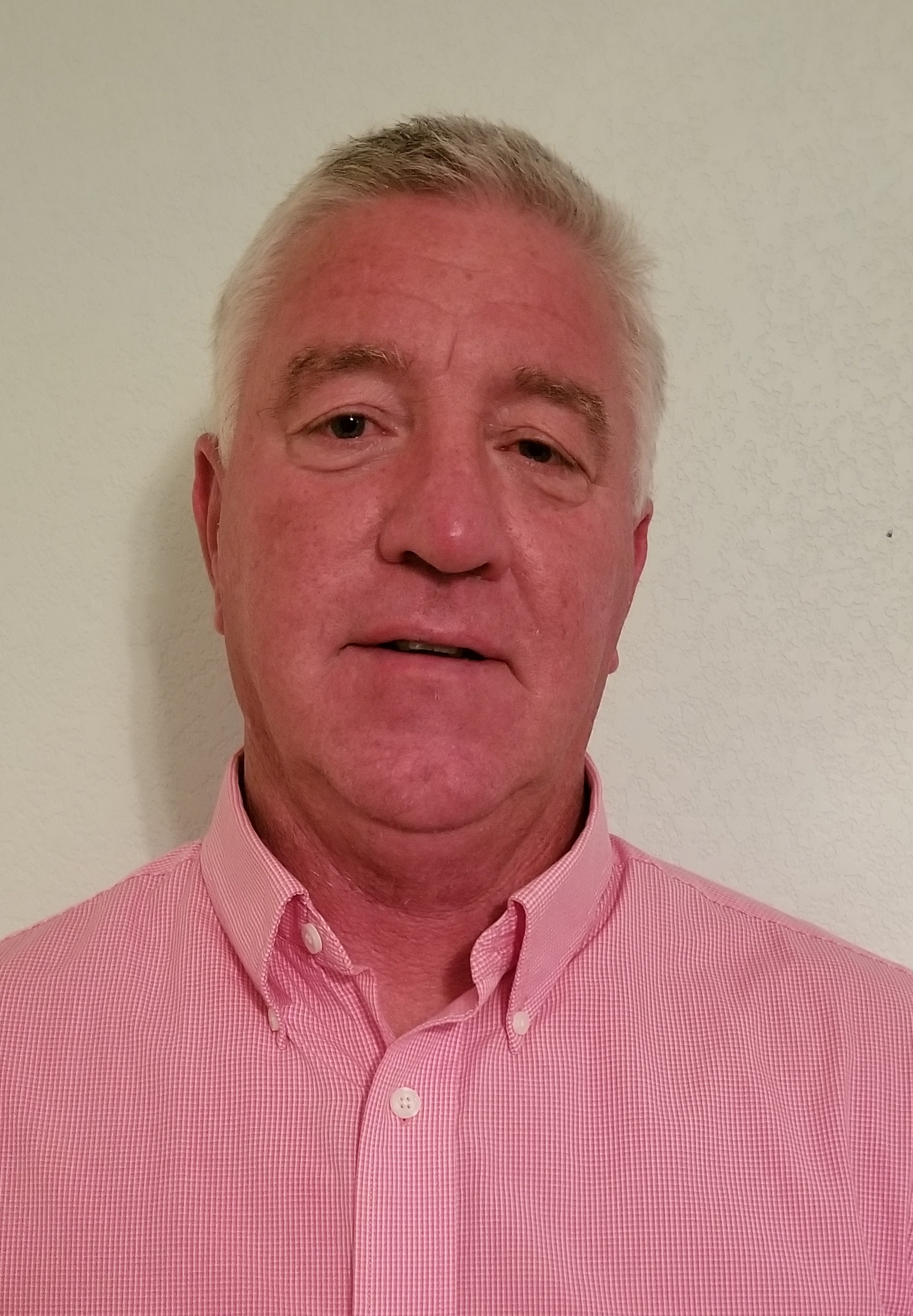
IAM officials left Arthur Baisley just a small annual “escape window” to opt out of automatic dues deductions taken for union politics. Will the High Court hear his case against this scheme?
WASHINGTON, DC – Arthur Baisley, a United Airlines employee in Texas, filed a petition for writ of certiorari asking the U.S. Supreme Court to hear his case in which he is battling International Association of Machinists (IAM) union bosses. They are seizing dues for union political expenditures from him and his coworkers in violation of the First Amendment and the Railway Labor Act (RLA).
Baisley filed the cert petition this May with free legal aid from the National Right to Work Foundation. Baisley’s lawsuit challenges a union requirement that employees who choose not to join the union must opt out of funding the union’s political and ideological activities during a brief annual “escape window,” or else have money automatically seized from their paychecks for those purposes against their will.
Worker Contends Janus Standard Should Nullify ‘Opt-Out’ Language
Baisley’s attorneys argue the “opt-out” arrangement violates workers’ rights found in the RLA, and the First Amendment under the standard laid out in the landmark 2018 Supreme Court Janus v. AFSCME decision, won by Foundation staff attorneys. The RLA is a federal law that governs labor relations in the railway and airline industries.
In Janus, the High Court ruled that no public worker can be coerced into paying union dues or fees as a condition of getting or keeping a job. The Court also held that union dues or fees can only be deducted from a public employee’s paycheck with his or her affirmative consent and a knowing waiver of his or her constitutional right not to pay.
Baisley’s staff attorneys extend this logic and argue that, under Janus and other Supreme Court precedents, union bosses infringe on the First Amendment rights of private sector employees under the RLA by forcing them to pay for union boss political or ideological activities without their consent. The union boss “opt-out” scheme offends this principle by forcing workers to object to dues for politics within a small “escape window” and seizing those dues as a condition of employment if they don’t opt out.
IAM Officials’ Scheme Seizes Forced-Dues-for-Politics from Non-Members
Baisley is not a member of the IAM, but is still forced to pay some union fees despite being based in the Right to Work state of Texas. The RLA preempts state Right to Work protections which make union membership and all union financial support strictly voluntary. However, under long-standing law established in Foundation-supported cases, even without Right to Work protections non-members cannot, as a condition of keeping their jobs, be required to pay fees for anything beyond the union’s expenses directly related to bargaining.
Baisley’s petition details the convoluted union boss-created process that workers must navigate just to prevent money from being taken from their paychecks in violation of their First Amendment rights. In Baisley’s situation, even though he sent a letter to IAM agents in November 2018 objecting to funding all union political activities, union officials only accepted his objection for 2019, and told Baisley he had to renew his objection the next year or else be charged full union dues.
IAM Union Officials Contravened Both Janus and Long-Standing Federal Law
In addition to running afoul of the Janus First Amendment standard, Foundation staff attorneys also assert that the complicated “opt-out” scheme contravenes the RLA, which protects the right of employees under its jurisdiction to “join, organize, or assist in organizing” a union of their choice, as well as the right to abstain from all union activities.
“The sordid goal of these kinds of union ‘opt-out’ requirements is clear: trap unsuspecting workers into subsidizing union bosses’ radical political agenda without their consent and in violation of their rights,” said National Right to Work Foundation Vice President Patrick Semmens. “The Supreme Court ruled in the Foundation-won Janus case that union officials must first seek the affirmative approval of public sector workers before charging them for union politics, and this case simply seeks to ensure that Mr. Baisley and all employees subject to the RLA enjoy those same basic protections.”
Flight Attendant Sues Transport Union for Religious Discrimination
The following article is from the National Right to Work Legal Defense Foundation’s bi-monthly Foundation Action Newsletter, January/February 2021 edition. To view other editions or to sign up for a free subscription, click here.
Flight Attendant Sues Transport Union for Religious Discrimination
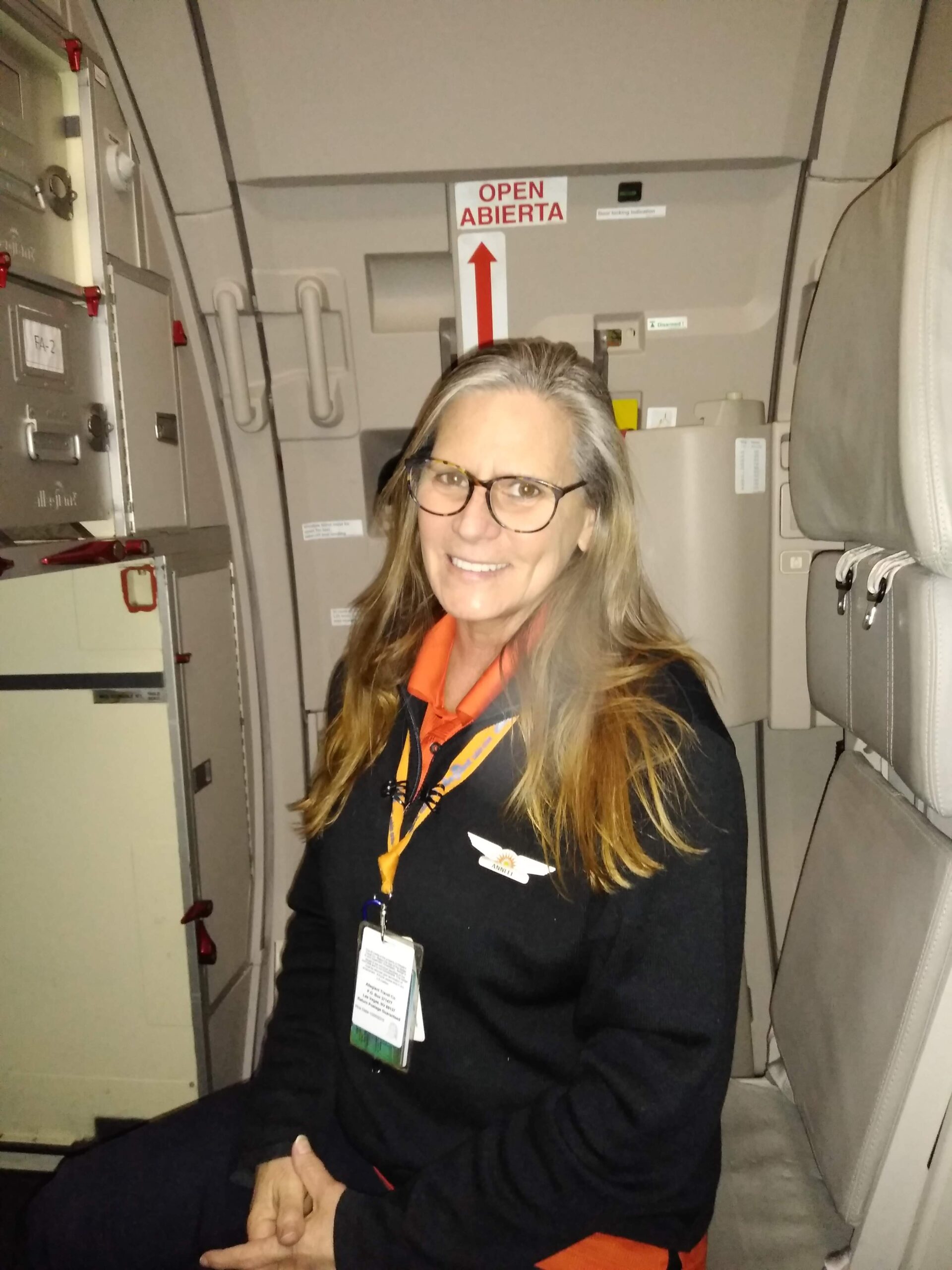
Please stow your religious objections: TWU union bosses forced Allegiant Air flight attendant Annlee Post to fund the union in violation of her religious beliefs and federal law.
KNOXVILLE, TN – Allegiant Air flight attendant Annlee Post filed a federal lawsuit in November against Transport Workers Union of America Local 577 (TWU) because the union refused to accommodate her religious beliefs. She received free legal aid from National Right to Work Foundation staff attorneys.
Post is a Christian, and she objects to funding the TWU on religious grounds. As recognized in the 2015 EEOC v. Abercrombie & Fitch Supreme Court decision, Post is not required to satisfy any special requirements to merit religious accommodation under Title VII of the Civil Rights Act of 1964.
To exercise her rights, Post sent two letters to union officials making them aware of her objection and asking that her dues payments be redirected to charity.
EEOC Issues “Right to Sue” Letter to Union Objector
When TWU officials refused this request, she filed a charge with the Equal Employment Opportunity Commission (EEOC) against the union.
The EEOC was unable to resolve Post’s charge, but it issued a “Right to Sue” letter in August 2020, allowing her to file a federal lawsuit against the union to protect her rights. Post then filed a complaint in federal court alleging TWU officials illegally discriminated against her by refusing to accommodate her and threatening to revoke her bidding privileges.
Bidding privileges control a flight attendant’s ability to schedule trips, work, vacations and days off. Post asked the court for an order stopping TWU officials from requiring her and other employees to pay union fees that violate their sincere religious beliefs.
Post’s lawsuit also alleges that union officials violated the United States Constitution’s First and Fourteenth Amendments, which require union officials to follow specific procedures to demand forced dues payments. The union did not follow those procedures here.
Union officials did not provide a notice of how the forced-fee amount was calculated and an audit of the union’s financial records. Nor did they give a notice of the procedure to challenge the fee amount.
Federal Law Prevents Union Threats to Workplace Privileges
Even though she lives in Tennessee, which has enacted Right to Work protections so workers who object to union membership can freely abstain from funding union activities for any reason, Post is subject to the Railway Labor Act (RLA) because she works for an airline.
The RLA overrides state Right to Work laws and allows union officials to compel union fees, but only “as a condition of continued employment.” The RLA does not permit forced-dues payments based on any other condition — such as bidding privileges. Post’s Foundation staff attorneys argue that TWU’s monopoly bargaining agreement with Allegiant is invalid because it requires dues payments to maintain bidding privileges, whereas payment “as a condition of continued employment” is the only legal forced unionism agreement under the RLA.
“Annlee Post and others like her should not have to choose between privileges at work and their religious beliefs,” said National Right to Work Foundation Vice President Patrick Semmens. “TWU bosses knew about Ms. Post’s objections, but refused to accommodate them as longstanding federal law requires. They instead threatened to take away her bidding privileges, simply because she would not fund their organization in violation of her religious faith.
“This case is a reminder of why no worker should be forced to fund a union with which he or she disagrees, no matter whether their objection is religious or for any other reason,” Semmens said.
Airline Workers Ask Appeals Courts to Invalidate Union Dues Opt-Out Schemes
The following article is from the National Right to Work Legal Defense Foundation’s bi-monthly Foundation Action Newsletter, November/December 2020 edition. To view other editions or to sign up for a free subscription, click here.
Cases challenge requirement that workers opt out of union political spending or else pay full dues

Just “plane” wrong: United Airlines fleet service employee Arthur Baisley (left) and JetBlue Airways pilot Christian Popp (right) are fighting to end schemes that deduct union political expenses out of workers’ paychecks without their consent.
NEW ORLEANS, LA – With free legal representation from National Right to Work Legal Defense Foundation staff attorneys, two airline workers have filed cases challenging union boss policies that require workers to opt out in order to exercise their First Amendment right not to fund union political activities, as recognized in the Foundation-argued 2018 Janus v. AFSCME Supreme Court decision.
The two federal class-action lawsuits were brought for United Airlines fleet service employee Arthur Baisley and JetBlue Airways pilot Christian Popp. They are currently pending in the U.S. Courts of Appeals for the Fifth and Eleventh Circuits respectively.
Workers Challenge Compelled Political Speech
Baisley’s case against the International Association of Machinists (IAM) union has been fully briefed and is tentatively set for oral argument the week of November 30. Meanwhile, the opening brief for Popp’s case against the Air Line Pilots Association (ALPA) union was filed in early October.
The lawsuits contend that under Janus and the 2012 Knox v. SEIU Supreme Court cases — both argued and won by Foundation staff attorneys — no union dues or fees can be charged for union political activities without a worker’s affirmative consent.
Despite this, union officials at the IAM and ALPA enforce complicated opt-out policies that require workers to object to funding union political activities or else pay full union dues. Foundation staff attorneys argue that the Janus decision’s opt-in requirement applies to airline and railroad employees covered by the Railway Labor Act (RLA), taken together with longstanding precedent protecting private sector workers from being required to pay for union political and ideological activities.
Mr. Baisley and Mr. Popp both work in Right to Work states (Texas and Florida, respectively), but the RLA preempts state law. Consequently, they can be forced to pay union dues or fees or be fired. Even under the RLA, however, union bosses cannot legally force workers to pay for political activities.
Cases Could Expand Janus Protections to Private Sector
The lawsuits argue IAM and ALPA’s opt-out policies are designed to trap unwilling participants into full dues in violation of their First Amendment rights. This forces workers to subsidize union political activities against their will, including the part of full dues that union officials use to support their radical political agenda and handpicked candidates for office.
“IAM and ALPA union officials have demonstrated a blatant disregard for the rights of the very workers they claim to represent by creating complicated obstacles for independent-minded workers who want to exercise their right not to fund union ideological activities,” said National Right to Work Foundation Vice President Patrick Semmens. “Although Janus’ biggest impact was to secure the First Amendment rights of all public employees across the nation not to be required to fund Big Labor, these cases demonstrate that Janus’ implications can also protect the rights of private sector workers.”
Worker Advocate Files Brief for Flight Attendant Backing Rule Change for Voting Out Unwanted Airline & Railroad Unions
Brief opposes union lawsuit challenging rule eliminating overly complex procedure for workers seeking to decertify an unwanted union
Washington, D.C. (March 12, 2020) – The National Right to Work Legal Defense Foundation filed an amicus brief in United States District Court for a flight attendant opposing an effort led by the AFL-CIO to overturn a recent rule by the National Mediation Board (NMB) that simplifies the process for workers seeking to vote out a union they oppose.
Foundation staff attorneys filed the amicus brief for Allegiant Airlines flight attendant Steven Stoecker to defend the NMB’s rule removing decertification election barriers. The brief was also filed for the Foundation itself, which has provided free legal representation to numerous workers under the jurisdiction of the Railway Labor Act (RLA), which the NMB is charged with enforcing.
Previously, to remove an unwanted union the NMB required an unnecessarily complex process in which workers had to create and solicit support for a fake “straw man” just to vote out the incumbent union. Under the NMB’s new rules finalized in July, workers can simply petition for a direct vote to decertify a union they oppose by a majority of the workers in their bargaining unit.
Stoecker, whose employment is governed by the RLA, attempted from 2014 to 2016 to remove the Transport Workers Union (TWU) from its monopoly bargaining status in his workplace, but those attempts ultimately failed when he lost his “straw man” election. The TWU is currently still the monopoly bargaining representative over his workplace.
“The National Mediation Board’s Final Rule simplifies the union selection or rejection process under the Railway Labor Act and erases nonstatutory barriers that hinder employees’ efforts to freely choose or reject a representative,” the amicus brief reads. “In response, the Plaintiffs, a group of labor unions that benefit from the complexities of the straw man decertification process, challenge the Final Rule and the Board’s statutory authority to establish it.”
Before the NMB issued the final rule last year, workers like Stoecker had to sign authorization cards designating an employee to be the “strawman” even though that employee had no intention of representing the unit. In the election that followed, the ballot options included the name of the union workers wished to decertify, the name of the straw man applicant, e.g., “John Smith,” the option for a write-in candidate and, confusingly, the option for “no union.”
Under the old guidelines, workers who voted for either the straw man or “no union” in hopes to oust union officials would unknowingly be splitting the vote opposed to unionization, as votes counted for these options were not tallied together but separately. The NMB’s final rule allows workers to vote out union representatives directly, without the cumbersome prior rules.
“That union bosses are suing the National Mediation Board for adopting this common-sense reform shows they are far more concerned with maintaining their power than respecting the right of rank-and-file workers to decide whether or not they actually want to remain in union ranks,” commented National Right to Work Foundation President Mark Mix. “The Foundation has long advocated this type of change in the union decertification process. We are pleased the NMB has – as we called upon it to do in comments filed last year – finally made this commonsense reform.”
“Ultimately the Railway Labor Act has many fundamental problems that require legislative action, not the least of which is that it grants union bosses the power to have workers fired for nonpayment of union dues or fees even in states with Right to Work laws,” observed Mix. “That makes it all the more important that while we wait for more sweeping reforms, workers are not trapped in forced dues ranks simply because of the unnecessarily complex ‘straw man’ decertification process.”
Federal Board Adopts Foundation-Advocated Reform to Union Decertification Rules
The following article is from the National Right to Work Legal Defense Foundation’s bi-monthly Foundation Action Newsletter, September/October 2019 edition. To view other editions or to sign up for a free subscription, click here.
National Mediation Board simplifies process for workers under Railway Labor Act to remove a union they oppose
At the Foundation’s urging, the NMB removed unnecessary hurdles and simplified the process for rail and airline employees to remove unpopular unions from their workplaces.
WASHINGTON, D.C. – In late July the National Mediation Board (NMB) issued its final rule simplifying decertification procedures under the Railway Labor Act (RLA). The change enables workers in the airline and railway industries to more easily vote to remove a union that lacks the support of a majority of workers.
Before the decision to simplify the process, the NMB used a confusing process that required individual employees to create a fake “straw man” union to replace the incumbent union as the monopoly representative. The decertification process is particularly important because under federal law RLA unions can force workers to pay union dues or fees as a condition of employment even where state Right to Work laws protect other employees from forced union dues.
New Straightforward Rule Vindicates Foundation Campaign for Reform
“The Foundation has long advocated this type of change in the union decertification process and we are pleased the NMB has – as we called upon it to do in comments filed earlier this year – finally made this commonsense reform,” National Right to Work Foundation Vice President Patrick Semmens said at the time.
The NMB’s final decision provides a straightforward procedure for the decertification of a union, meaning workers who do not want union representation won’t have to jump through the hoops of creating and voting for a “straw man” union just to decertify the union that currently has monopoly bargaining power over their workplace.
The NMB’s final rulemaking notice reads: “The Board believes this change is necessary to fulfill the statutory mission of the Railway Labor Act by protecting employees’ right to complete independence in the decision to become represented, to remain represented, or to become unrepresented.”
“This change will ensure that each employee has a say in their representative and eliminate unnecessary hurdles for employees who no longer wish to be represented,” the NMB continued.
The National Right to Work Foundation has long called for these rules to be updated. Foundation attorneys participated in the formal comment period process and appeared at a public hearing to address the NMB and deliver the Foundation’s position. The final rule specifically references the Foundation’s comments, vindicating its efforts in the rulemaking process.
Board Eliminates Confusing ‘Straw Man’ Election Rules
“The National Right to Work Legal Foundation (Right to Work) stated that the proposed change is ‘long overdue,’ and the [Notice of Proposed Rulemaking] is ‘needed to ensure that all employees have an equal and fair choice regarding union representation. The Board has statutory authority to adopt the proposed rules, and should do so as soon as possible,’” the NMB final rule reads.
The confusing rules previously forced individual employees to concoct a “straw man” union to replace the incumbent union as the monopoly representative. Once elected by a majority of the workers, the new “straw man” representative could disclaim collective representation, but was not legally required to do so.
“At long last the National Mediation Board is providing airline and railroad workers covered by the Railway Labor Act a straightforward way to remove unwanted union ‘representation’ through a direct decertification vote,” Semmens said.
“The previous system – in which workers had to create a ‘straw man’ union just to challenge an incumbent union – only served to stymie workers’ rights and demonstrated the historic bias of the NMB in favor of compulsory unionism,” said Semmens. “It wasn’t until the Foundation-won case of Russell v. NMB in 1983 that workers even had an established legal right to throw off their union ‘representative,’ albeit only through the unnecessarily complicated “straw man” system which is finally being replaced with a simplified process to allow workers to exercise that right.”
In addition to submitting the formal comments in May, veteran Foundation staff attorney Glenn Taubman testified in favor of the rule change at the NMB hearing in late March.





