
Public Servants Across Country Stand Strong in Defending Janus Rights
The following article is from the National Right to Work Legal Defense Foundation’s bi-monthly Foundation Action Newsletter, January/February 2026 edition. To view other editions of Foundation Action or to sign up for a free subscription, click here.
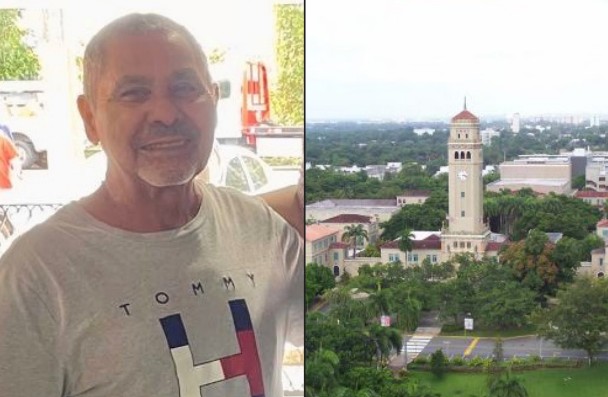
Jose Ramos, a University of Puerto Rico maintenance employee, isn’t going to let union bosses maintain their flimsy defense that they are entitled to keep his hard-earned money in violation of the First Amendment.
As 2025 waned, National Right to Work Foundation staff attorneys brought their expertise to bear as government employees in Washington State and Puerto Rico continued legal battles to get back money that union bosses never should have seized from their paychecks.
These workers are invoking their rights under the Foundation-won Janus v. AFSCME decision, which the Supreme Court handed down in 2018. In Janus, the Justices ruled that all American public sector workers have a First Amendment right to abstain from paying dues to union officials they don’t support.
Despite Janus’ commonsense protections, many union bosses, intent on keeping their coffers stocked with dues money seized from unwilling public employees, are still trying to skirt the Court’s ruling.
AFSCME Bosses Refuse to Return Illegally-Seized Money to Worker
That includes AFSCME union officials in Washington State, whom City of Everett employee Xenia Davidsen is fighting at the Washington State Public Employment Relations Commission (PERC). Davidsen charged AFSCME chiefs with accepting money that City officials had illicitly funneled from her paycheck to the union.
Davidsen had requested dues deductions to stop in 2024 in accordance with Janus, but City officials failed to monitor the email address through which AFSCME directed the City to stop the deductions. This incompetence led to the City seizing dues money from Davidsen at least 12 times without her authorization — and AFSCME union officials have stubbornly refused to admit they must post a notice stating they were wrong to accept the deductions.
“On none of those… instances did the Union stop to question why it was accepting dues that it knew were unauthorized to it,” argue Foundation attorneys in Davidsen’s latest brief before the PERC.
Meanwhile, Foundation attorneys also defended the Janus rights of two groups of Puerto Rico public employees in oral arguments before the First Circuit Court of Appeals last October.
Foundation Challenges Puerto Rico Court’s Refusal to Nix Anti-Janus Statute
In one case, Cruz v. UIA, Puerto Rico Aqueduct and Sewer Authority (PRASA) employee Reynaldo Cruz is trying to reclaim union dues money that officials of the Authentic Independent Union of Water and Sewer Authority Employees (UIA) took in violation of his First Amendment rights.
Cruz’s lawsuit challenges both union bosses’ demands that he pay union dues or lose his job, as well as the Puerto Rico territorial laws that allow such unconstitutional demands. Though UIA union bosses claim they have already deposited the illegally-seized money with a lower federal court, that court confusingly declined to issue a ruling that legally entitles Cruz to collect the funds.
During oral arguments, Cruz’s legal team argued that this legal sleight-of-hand created “a roadmap for civil rights defendants to violate civil rights plaintiffs’ rights.”
Foundation Won’t Let Union Bosses & Bureaucrats Ignore Janus
Also argued before the First Circuit at the end of 2025 was Ramos v. Delgado, in which Foundation attorneys represent Jose Ramos and other University of Puerto Rico maintenance employees who had dues illegally deducted from their paychecks for years.
Ramos and his colleagues are seeking refunds of all dues taken unlawfully since the Janus decision. Puerto Rico continues to be a hotbed for union violations of the Janus decision, but luckily, workers continue to stand up with Foundation legal aid.
Most recently, public employee Luis Rigau filed a federal lawsuit to challenge the Puerto Rico Industrial Commission (PRIC) union’s blatantly illegal reinstatement of automatic forced-dues deductions against nonmembers.
“Despite Janus’ clear constitutional command, union bosses, legislators, and public officials are still trying to do legal gymnastics to end-run the decision,” commented National Right to Work Foundation Vice President and Legal Director William Messenger.
“All public sector workers deserve the free choice that Janus secures, and Foundation attorneys will continue to back them in their court battles for freedom.”
Puerto Rico Public Workers Defend First Amendment Right to Stop Union Dues Payments in Federal Court Arguments
Two arguments held this week at First Circuit Court of Appeals involve rights under landmark Janus v. AFSCME U.S. Supreme Court decision
San Juan, PR (October 30, 2025) – Oral arguments for two lawsuits in which Puerto Rico public employees are defending their First Amendment rights under the Janus v. AFSCME U.S. Supreme Court decision are taking place before the U.S. Court of Appeals for the First Circuit in San Juan this week. Both sets of workers are receiving free legal representation from National Right to Work Foundation staff attorneys.
The Supreme Court recognized in the landmark Janus decision that all public sector workers have a First Amendment right to cut off dues payments to union officials. The Janus ruling further clarified that union officials cannot deduct union dues from any public sector worker’s paycheck unless he has affirmatively waived his First Amendment right not to pay. Foundation staff attorneys argued and won Janus in 2018.
Despite Janus’ clear standards, union officials have attempted to circumvent the decision in a number of ways, necessitating further Foundation legal action.
PRASA Employee Fights Blatantly Illegal Forced-Dues Statute
The first Foundation case, Cruz v. UIA, which the First Circuit heard Wednesday, involves Puerto Rico Aqueduct and Sewer Authority (PRASA) employee Reynaldo Cruz’s attempt to reclaim union dues money that officials of the Authentic Independent Union of Water and Sewer Authority Employees (UIA) took in violation of the First Amendment. Cruz’s lawsuit challenged both union bosses’ demands that he pay union dues or lose his job, as well as the Puerto Rico territorial laws that greenlight such unconstitutional demands.
As opposed to resolving the legal claims in his case, the Puerto Rico District Court confusingly ruled Cruz’s case “moot” after UIA union officials remitted his illegally-seized dues money to the Clerk of the District Court. Cruz has still not received his money, and argues that his Janus rights will not be vindicated until a judgment is entered in his favor.
UPR Workers Seek to Vindicate Years of Illegal Dues Deductions
The second Foundation case, which the First Circuit is slated to hear Friday (Ramos v. Delgado), is a challenge from University of Puerto Rico (UPR) maintenance employees Jose Ramos, Antonio Mendez, Jose Cotto, and Igneris Perez. They argue that union officials seized union dues from their paychecks for years both in violation of Janus and other legal protections that predate Janus.
Ramos and the other plaintiffs contend that union officials never sought their consent properly for dues deductions both before and after the Janus decision, and that they should receive refunds of all dues taken unlawfully within the 15-year statute of limitations.
“Janus laid out the very simple principle that public sector workers – not union bosses – should be in charge of deciding whether a union has earned their financial support,” commented National Right to Work Foundation President Mark Mix. “Despite Janus’ clear constitutional command, union bosses and legislators still try to skirt it, and courts still allow obvious violations to go unpunished. In Mr. Cruz’s case, the District Court refused to even examine a Puerto Rico statute that authorizes illegal forced-dues language in public sector union contracts.
“All public sector workers deserve the free choice that Janus secures, and Foundation attorneys will continue to back them in their court battles for freedom,” Mix added.
Hundreds of Lufthansa Technicians at Rafael Hernandez International Airport Secure Vote to Remove IAM Union
Majority of technicians signed petition demanding union ouster vote; IAM officials used allegations against employer in unsuccessful attempt to block vote
Para leer este artículo en español, haga clic aquí.
Aguadilla, Puerto Rico (August 12, 2025) – Eric Matos, an airplane technician at Lufthansa Technik’s facility at Rafael Hernandez International Airport, has secured an opportunity for him and roughly 200 of his colleagues to vote International Association of Machinists (IAM) union officials out of their workplace. Matos’ success comes after the General Counsel of the National Mediation Board (NMB) in Washington, DC, rejected IAM union bosses’ attempt to block the employees from voting, and scheduled the vote to occur via mail ballot between August 21 and October 16, 2025. Matos is receiving free legal aid from National Right to Work Foundation staff attorneys in defending his and his coworkers’ right to vote.
The NMB is the federal agency responsible for enforcing federal law in the air and rail industries, a task which includes ordering and administering elections to install (or “certify”) and remove (or “decertify”) unions. Under NMB rules, to obtain a vote to decertify a union, workers must submit a petition indicating that at least 50% of similar workers across a “craft or class” under the union’s control want to have such a vote. Matos submitted a petition containing signatures from a majority of his colleagues in order to trigger the decertification election.
The Lufthansa Technik technicians are under the jurisdiction of the Railway Labor Act (RLA), the federal statute that governs labor relations in the air and rail industries. This means that union bosses have the power to enforce contracts that require payment of union dues or fees as a condition of employment, regardless of a state’s or territory’s Right to Work status (Puerto Rico currently lacks Right to Work protections). For that reason, rail and air employees must vote union officials out of their workplaces to avoid pay-up-or-be-fired demands.
“The union has only seen us as a dollar sign from the very first day and they know very well that having us intimidated and divided while feeding us misinformation is an open path for them to obtain that dollar,” commented Matos.
IAM Union Bosses Denied Request for Immunity From Worker Vote
Despite Matos’ submission of a majority-backed decertification petition, IAM union officials made a number of dubious arguments in an attempt to not only stop the technicians from voting, but to immunize the union for a whole year from any employee attempts to eject the union. IAM bosses asked the federal agency to extend by one year the two-year “certification bar” that prevents efforts to oust a union right after it is established at a workplace. The NMB very rarely grants such remedies.
Foundation attorneys argued in a May 2025 brief that the union’s allegations of employer interference – which concerned a supposedly illicit pay raise that Lufthansa gave the technicians – weren’t tested in a federal court. For that reason, the brief said, the allegations couldn’t support the union’s argument that the election should be blocked. In its recent decision, the NMB tossed the union’s request to block the vote and extend the “certification bar,” ruling that “[b]arring extraordinary circumstances, the Board does not take action on allegations of interference until the end of an election voting period.
“[E]ven in cases where election interference is found to have occurred, the remedies the Board imposes to eliminate the taint of any such interference are limited…they do not include the kinds of relief the IAM seeks here,” the ruling continues. In this case, the IAM made the request to block the vote before an election was even approved.
Trump Admin Should Examine Union Election Standards Across the Board
“The NMB was right to reject union bosses’ attempt to prevent Mr. Matos and his colleagues from exercising their right to vote on the IAM’s presence in their workplace,” commented National Right to Work Foundation President Mark Mix. “While this case has worked out in the Lufthansa technicians’ favor, this case shows the kind of legal tactics and maneuvers that union bosses will attempt to frustrate the will of the workers they claim to ‘represent,’ just so they can collect forced union dues.
“The Trump Administration, which is still staffing its federal labor agencies, needs to focus on eliminating barriers to worker free choice, whether those exist in policies at the NMB or at other federal labor boards, like the National Labor Relations Board,” Mix added.
Puerto Rico Police Bureau Employees Foil Anti-Janus Scheme
The following article is from the National Right to Work Legal Defense Foundation’s bi-monthly Foundation Action Newsletter, November/December 2024 edition. To view other editions of Foundation Action or to sign up for a free subscription, click here.
Federal court strikes down discrimination against workers at the Puerto Rico Police Bureau who exercised First Amendment rights
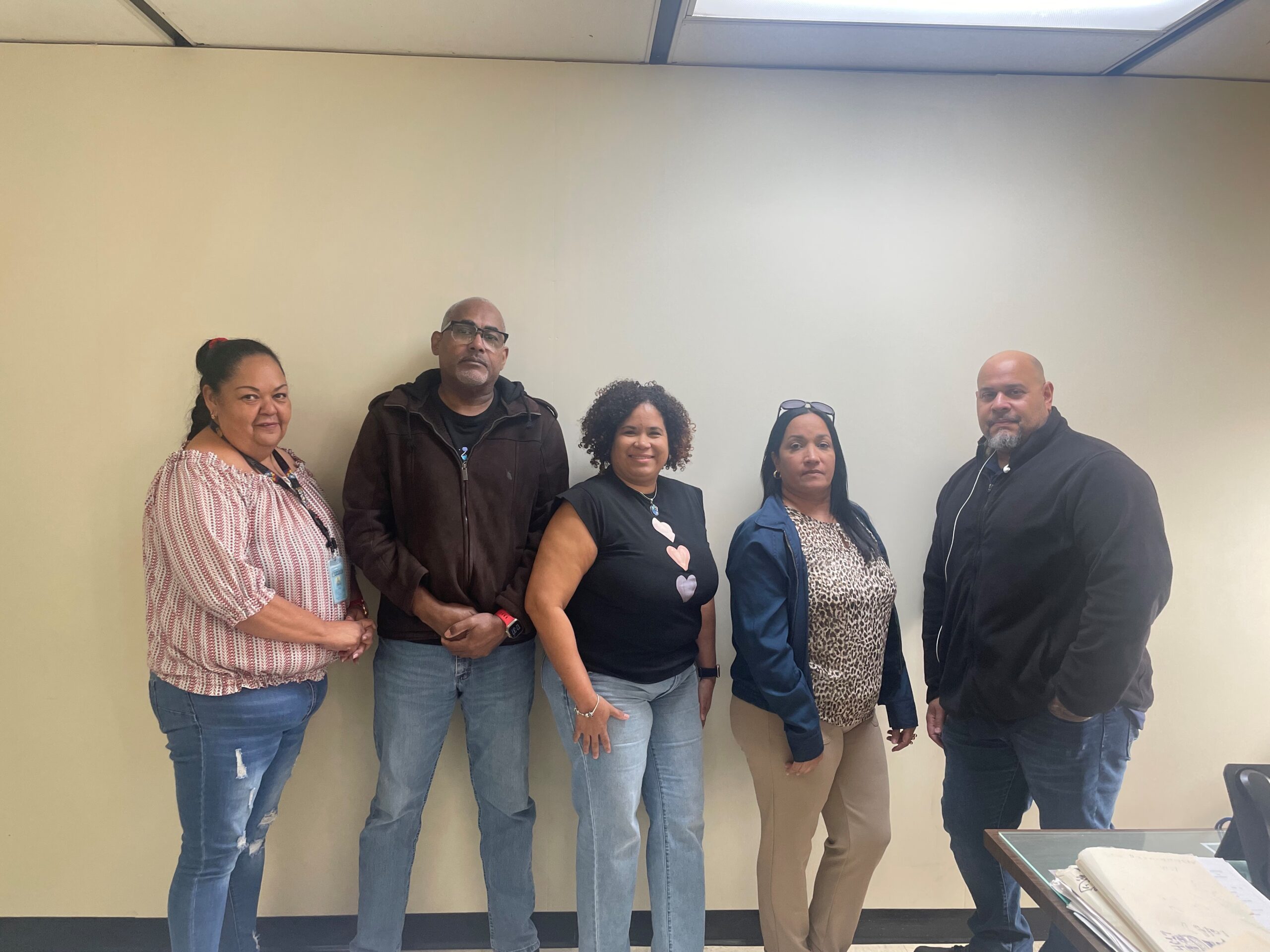
Vanessa Carbonell (center) and other employees of the Puerto Rico Police Bureau won big at the Puerto Rico District Court in September 2024. Their Foundation-won decision forces their employer and the union to stop violating their Janus rights.
SAN JUAN, PR – The National Right to Work Foundation’s 2018 victory at the U.S. Supreme Court in Janus v. AFSCME opened new horizons for employee freedom across the country. For the first time, the Justices recognized that the First Amendment prohibits union bosses from forcing public sector employees to join a union or pay dues as a condition of employment, and that union bosses can only take dues from a worker’s paycheck with their affirmative consent.
Foundation attorneys’ efforts to enforce the landmark decision yielded a big victory this September for a wide swath of civilian employees at the Puerto Rico Police Bureau (PRPB). In a class action federal lawsuit, more than a dozen PRPB employees charged officials of the Union of Organized Civilian Employees with violating their Janus rights by stripping them of an employer-provided health benefit because they refused to join the union.
A recent decision from the District Court of Puerto Rico found in favor of the employees’ arguments, stating that their employer had indeed taken away the health benefit because the employees exercised their right to not join or pay dues to the union.
Scheme Forced Workers to Join Union or Lose Access to Better Healthcare
“This is either retaliation for exercise of non-union members’ post-Janus non-associational rights under the First Amendment under the Constitution or simply discrimination,” said the Court.
According to lead plaintiff Vanessa Carbonell and her colleagues’ original lawsuit, they all exercised their Janus right to opt out of the union at various points after the 2018 Janus decision. They each began noticing that as dues ceased coming out of their paychecks, they also stopped receiving a $25-a-month employer-paid benefit intended to help employees pay for better health insurance.
The lawsuit demonstrated that PRPB officials cut the benefit off to employees who refused union membership — a clear case of discrimination against employees who exercise their First Amendment right to abstain from union affiliation.
Union and Employer Must Stop Discrimination
The District Court’s decision, in addition to declaring that the ploy by PRPB and the Union of Organized Civilian Employees is unconstitutional, orders an injunction to stop PRPB officials from continuing to withhold the benefit from Carbonell and other employees.
“Janus enshrined a very simple First Amendment principle: That union officials need to convince public employees to support their organization and activities voluntarily,” commented National Right to Work Foundation Vice President Patrick Semmens.
Puerto Rico Police Bureau Employees Win at District Court; Beat Union Scheme That Swiped Health Benefit from Dissenting Employees
Employees successfully defend right under Janus v. AFSCME to refrain from supporting unwanted union
Para leer este articulo en Espanol, haga clic aqui.
San Juan, PR (September 26, 2024) – Eleven civilian employees of the Puerto Rico Police Bureau (PRPB) have won a favorable decision in their federal class action lawsuit against their employer and the Union of Organized Civilian Employees. The lawsuit charged both entities with illegally discriminating against employees by stripping them of an employer-provided health benefit because they refused to join the union. The employees, who argued that this union gambit violated their and other PRPB employees’ First Amendment right to abstain from unwanted union affiliation, received free legal aid in their case from National Right to Work Legal Defense Foundation staff attorneys.
The plaintiffs, Vanessa Carbonell, Roberto Whatts Osorio, Elba Colon Nery, Billy Nieves Hernandez, Nelida Alvarez Febus, Linda Dumont Guzman, Sandra Quinones Pinto, Yomarys Ortiz Gonzalez, Janet Cruz Berrios, Carmen Berlingeri Pabon, and Merab Ortiz Rivera, filed their lawsuit at the U.S. District Court of Puerto Rico in 2022. They invoked their rights under the 2018 Foundation-won Janus v. AFSCME Supreme Court decision, in which the Justices held that compelling public employees to join or fund a union violates the First Amendment. Janus also established that union officials can only take union dues from a public employee who has waived his or her First Amendment right not to pay.
The District Court agreed with the plaintiffs in a September 19 decision. It found that the PRPB had indeed taken away a health benefit from the employees after they exercised their Janus right not to join or pay dues to the Union of Organized Civilian Employees, a union they didn’t want and never asked for. “This is either retaliation for exercise of non-union members’ post-Janus non-associational rights under the First Amendment under the Constitution or simply discrimination,” said the Court.
“The [PRPB] may neither retaliate for disassociation or non-support of the public sector union, nor can it adopt — or as here interpret — a [union contract] in a manner that permits discrimination against non-union members,” the Court continued.
Police Bureau Limited Access to Healthcare Based on Employee Dissent from Union
According to the plaintiff’s original lawsuit, they all exercised their Janus right to opt out of the union at various points after the 2018 Janus decision. They each began noticing that as dues ceased coming out of their paychecks, they also stopped receiving a $25-a-month employer-paid benefit intended to help employees pay for health insurance.
“[T]he Union, through its president, Jorge Méndez Cotto, asked PRPB to stop awarding the $25 monthly additional employer contribution to any bargaining unit member who objected to [forced] membership…,” the complaint said.
“Plaintiffs are ready, willing, and able to purchase additional and higher quality health insurance benefits with the additional employer contribution that is being denied to them,” read the complaint. “But for the above-described discriminatory policy, they would purchase better quality health insurance.”
District Court Decision Orders Union and Employer to Stop Discriminatory Scheme
The District Court’s decision, in addition to declaring that the gambit by PRPB and the Union of Organized Civilian Employees is unconstitutional, orders an injunction to stop PRPB officials from continuing to withhold the benefit from Carbonell and the other employees.
“Janus enshrined a very simple principle: That union officials need to convince public employees to support their organization and activities voluntarily, and using government power to force such support is an obvious infringement of First Amendment free association principles,” commented National Right to Work Foundation President Mark Mix. “Diminishing Ms. Carbonell and her coworkers’ access to healthcare just because they disagreed with the union’s agenda is a heinous violation of that principle, and Foundation attorneys were happy to assist them in their victory over that scheme.”
Puerto Rico Union Bosses Try to Dodge Consequences of Janus Lawsuit
The following article is from the National Right to Work Legal Defense Foundation’s bi-monthly Foundation Action Newsletter, January/February 2024 edition. To view other editions of Foundation Action or to sign up for a free subscription, click here.
Worker still battling scofflaw union officials who tried to saddle him with restraining order

PRASA employee Reynaldo Cruz didn’t back down after UIA union officials tried to foist a specious restraining order on him. He isn’t backing down in the face of UIA union officials’ Janus violations either.
SAN JUAN, PR – When Reynaldo Cruz, an employee of the Puerto Rican Aqueduct and Sewer Authority (PRASA), made a Facebook post referring to a chapter president of the Authentic Independent Union of Water and Sewer Authority Employees (UIA) as “lazy,” the chapter president tried to hit him with a restraining order.
“A UIA union official targeted me with a restraining order for daring to speak out against the union, which is my free speech right,” commented Cruz. “That’s ridiculous coming
from union officials who claim to ‘represent’ me and my coworkers.”
National Right to Work Foundation staff attorneys in October 2023 defeated the UIA official’s specious argument that the court should issue a restraining order against Cruz because he
would have had to “stalk” him to know of his laziness. But Cruz’s battle against the UIA union is far from over.
District Court Refuses to Crack Down on Obvious Janus Violations
Cruz is currently challenging a decision by the District Court of Puerto Rico in his years-long case to reclaim dues money that UIA union officials took unconstitutionally from his paycheck.
The District Court made the puzzling move of dismissing Cruz’s suit as “moot” after UIA officials deposited money due to Cruz with the Clerk of the District Court of Puerto Rico. In his motion to alter and amend the judgment, Cruz argues that because the court has not decided any of his underlying claims or entered a judgment in his favor, he has no entitlement to and cannot seek or obtain that money. Cruz is also appealing the District Court’s dismissal of his suit to the First Circuit Court of Appeals in Boston, MA.
“Until the Court enters a declaratory judgment for Cruz, Cruz’s injury-in-fact will persist because Cruz has not received monetary relief and the Court has not entered judgment for Cruz entitling him to the UIA deposit,” Cruz’s motion reads.
Cruz argues in his suit that various provisions of the Puerto Rico Labor Relations Act, which UIA union bosses relied upon to take money from his paycheck, violate the First Amendment. In 2018, the Supreme Court ruled in the landmark Foundation-won Janus v. AFSCME case that public employees have a First Amendment right to opt-out of dues payments to
an unwanted union, and that public employees must waive this right before any dues are deducted from their paychecks.
Cruz’s Janus lawsuit began in 2017, after UIA officials responded to his request to end his union membership and stop dues payments by telling him that he could only cut ties with the union if he left his current job. In addition to naming the UIA, Cruz’s lawsuit also names the Governor of Puerto Rico in his official capacity as Cruz is also challenging the constitutionality of Puerto Rico’s laws authorizing mandatory dues and so-called “maintenance of membership” agreements.
The Janus case was decided as Cruz’s case was ongoing. The Justices definitively ruled that requiring public sector employees to pay union dues as a condition of employment violates their First Amendment free association rights.
The Puerto Rico District Court issued its ruling on October 17, 2023. In addition to not entering a judgment for Cruz deciding his entitlement to the unconstitutionally seized money, the Court also didn’t reach a conclusion on the constitutionality of the Puerto Rico law authorizing mandatory dues payment and membership, nor did it require the UIA union to abandon anti-Janus contract provisions.
Union Bosses Must Be Made to Comply with Janus
“The ruling in Mr. Cruz’s case poses serious issues for public employees across Puerto Rico and across the country,” commented National Right to Work Foundation Vice President Patrick Semmens. “If allowed to stand, it creates a precedent in which workers get no relief when union bosses seize money unconstitutionally from their hard-earned pay, and in which laws that authorize such illegal dues deductions are allowed to stand despite Janus unambiguously prohibiting them.
“Foundation staff attorneys will continue to fight for Mr. Cruz until his rights are vindicated and he gets a judgment awarding him the money he is constitutionally entitled to,” Semmens added.
Puerto Rico Workers Ask Court to Stop Union Officials’ Illegal Dues Cover-up
Union bosses threaten healthcare unless employees ‘authorize’ years of improperly seized dues
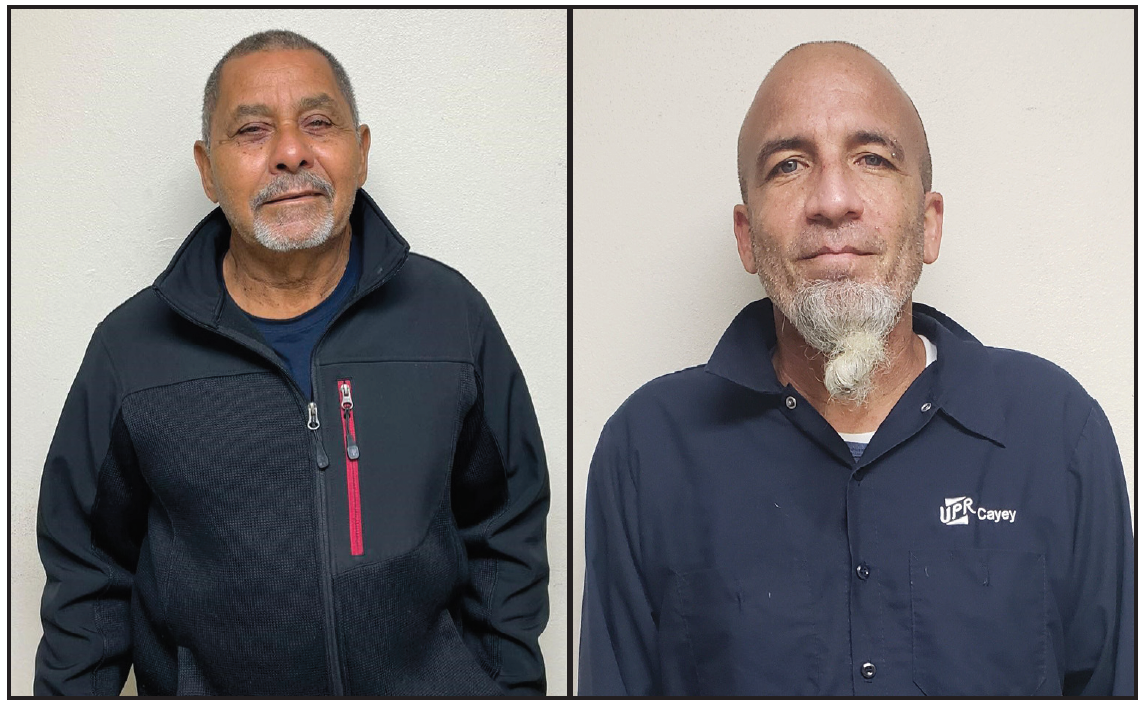
In an attempt to cover up their misdeeds, union bosses threatened to axe Jose Ramos’ (left) and Jose Cotto’s healthcare if they didn’t retroactively OK years of unconstitutional dues deductions.
SAN JUAN, PR – Employees of the University of Puerto Rico have filed a motion for a preliminary injunction against the University of Puerto Rico Workers Union. The motion asks the court to block and reverse union officials’ efforts to bar health insurance from employees who refuse to sign away their First Amendment rights.
It comes as part of the employees’ class action lawsuit against the university’s president in his official capacity and the union for illegally seizing dues from workers’ paychecks without their authorization. The suit was originally filed in May 2020 with free legal assistance from National Right to Work Legal Defense Foundation staff attorneys.
The forced-dues seizures infringe on employees’ rights as recognized in the 2018 Foundation-won Janus v. AFSCME U.S. Supreme Court decision. In Janus, the High Court ruled that requiring public employees to pay union dues as a condition of employment violates the First Amendment, and further held that union fees can only be taken from public employees with their affirmative waiver of the right not to pay.
Union Threats: Approve Past, Present and Future Dues or Lose Healthcare
Antonio Mendez and Jose Ramos have been employed by the University as maintenance workers since 1997 and 1996, respectively. From then, their complaint says, university and union officials “have regarded Ramos and Mendez as members of the Union” and seized dues from their paychecks, despite neither ever having signed a union membership or dues deduction authorization form.
On December 28, 2020, the lawsuit was amended to include two additional plaintiffs, Jose Cotto and Igneris Perez, and to challenge a recent attempt by union officials to coerce university workers into signing a document retroactively approving all previously deducted dues and consenting to an unspecified number of future deductions. According to the complaint, employees who do not comply with union officials’ demands that they sign this document lose access to the union-administered healthcare plan which is paid for by the employer.
On December 30, the plaintiffs moved for a preliminary injunction to block union officials’ efforts to force employees to choose between losing their healthcare and retroactively agreeing to union dues deductions taken in violation of their rights.
Union Bosses’ Forced- Dues Scheme Violates First Amendment Rights
The employees’ lawsuit contends that union and university officials violated the First Amendment by seizing dues from employee paychecks without written authorization, and by requiring employees to become full union members in violation of longstanding precedent that predates Janus. The lawsuit additionally seeks an order forbidding further enforcement of the unconstitutional scheme and requiring the union to refund to employees dues that were seized illegally “within the . . . 15-year statute of limitations period for breach of contract.”
“For years, University of Puerto Rico Workers Union bosses have gotten away with taking dues out of the pockets of those they claim to represent without ever getting their permission,” said National Right to Work Foundation President Mark Mix. “Union bosses were caught red-handed violating not only workers’ rights under Janus, but precedents going back decades against mandatory union membership.
“Now, rather than making workers whole, these union officials are doubling down on their illegal acts by taking away the healthcare of anyone who doesn’t retroactively ‘authorize’ years of unconstitutional union dues deductions.”
Workers Nationwide Press NLRB to Scrap Policy Blocking Right to Vote Out Unions
The following article is from the National Right to Work Legal Defense Foundation’s bi-monthly Foundation Action Newsletter, March/April 2021 edition. To view other editions or to sign up for a free subscription, click here.
Foundation cases contend ‘contract bar’ must be eliminated to protect employee freedom
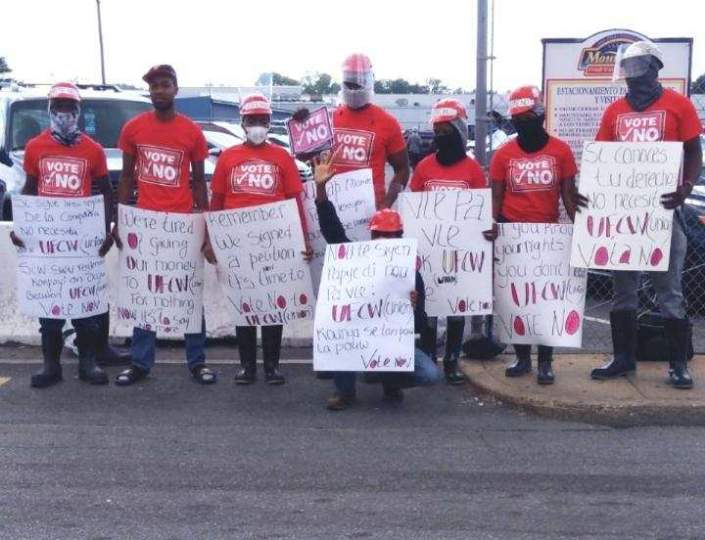
Foundation staff attorneys are assisting Delaware poultry workers in challenging UFCW bosses’ attempts to use the “contract bar” to trap them in union ranks.
WASHINGTON, DC – Foundation attorneys in January filed a Request for Review to the full National Labor Relations Board (NLRB) in Washington, D.C. The Request defends the right of Virginia Transdev workers to have a vote to remove unpopular Office and Professional Employees International Union (OPEIU) Local 2 bosses from power at their workplace.
The Transdev employees, who work at the Fairfax Connector bus service in Northern Virginia, now join Foundation-backed workers in Delaware and Puerto Rico, all of whom are urging the NLRB to eliminate the “contract bar.” That is a non-statutory NLRB policy which forbids employees from exercising their right to vote out an unpopular union in an NLRB-supervised “decertification election” for up to three years after their employer and union finalize a monopoly bargaining contract.
Foundation attorneys point out in each of these cases that the “contract bar” appears nowhere in the National Labor Relations Act (NLRA), the federal law the NLRB is charged with enforcing, and is merely the result of past union boss-friendly decisions by the Board. They also argue that the bar undermines workers’ basic right under the NLRA to remove unions that lack majority support.
“The ‘contract bar’ undermines the fundamental objective of federal labor law: Employee free choice. It makes rank-and-file employees prisoners of an unpopular union, with no way out for up to three years,” commented National Right Work Foundation President Mark Mix. “This inevitably creates an environment in which, as these employees can certainly attest, it’s impossible to hold self-serving union bosses accountable because workers are denied the right to vote them out.”
Unpopular OPEIU Bosses Went Behind Workers’ Backs to Sign Contract
The petitioner in the Transdev workers’ case, Amir Daoud, submitted a petition on November 10, 2020, signed by the necessary number of his coworkers to trigger a “decertification election” in his workplace. This was after news had gotten around that an OPEIU union agent had told some employees in October he had “negotiated a new agreement” with Transdev management and “‘intended’ to sign it without a ratification vote.” Workers had already voted down an earlier union boss-promoted monopoly bargaining contract in June.
Foundation attorneys filed a Request for Review, which notes that the union agent didn’t inform Daoud and his coworkers of when he planned to approve the new contract — until after Daoud filed the petition. The new contract was signed by union agents on October 30 and Transdev representatives on October 31.
NLRB Region 5 in Baltimore dismissed Daoud and his coworkers’ decertification petition on December 22, ruling that the “contract bar” applied because the employees’ petition was submitted just after the new contract was signed, even though the employees had no way of knowing whether or when that signing would occur.
This prompted Daoud to ask the NLRB in Washington to review the case. Because Daoud recently accepted a job with Transdev outside the OPEIU’s monopoly bargaining control, the Request for Review asks the NLRB to recognize his coworker Sheila Currie as the new petitioner to represent the interests of the workers who signed the decertification petition.
The Request exposes the arbitrariness of the “contract bar,” pointing out that the NLRB Regional Director applied it “merely because the Union ‘won the race’ and signed the contract ten days” before Daoud submitted the petition, even though the petition clearly demonstrated the employees’ interest in voting the union out.
VA and Puerto Rico Cases Follow Groundbreaking Effort by DE Poultry Workers
The Virginia Transdev employees, and a Puerto Rico armored transit guard who submitted a similar Request for Review on behalf of his coworkers with Foundation aid in January, are now battling the “contract bar” like Delaware Mountaire Farms poultry worker Oscar Cruz Sosa and his coworkers. For almost a year now, Cruz Sosa and his fellow employees have been fighting United Food and Commercial Workers (UFCW) union bosses’ attempts to use the “contract bar” to block their valid petition for a decertification vote. The Mountaire employees are now waiting for the NLRB to issue a ruling on their case.
In that case, UFCW officials claim that the “contract bar” should apply to bar any elections at Mountaire, despite an NLRB Regional Director’s decision allowing the vote because the union contract contains an invalid forced-dues clause.
When the UFCW bosses asked the full NLRB to review the Region’s order allowing the election, Cruz Sosa’s attorneys filed a brief urging that, if the Board granted review, it should use the opportunity to review the entire non-statutory “contract bar” policy. The Board is now doing just that. The UFCW union bosses are even arguing that the impounded ballots already cast by Mountaire workers should be destroyed, claiming the election should never have been held.
The Requests for Review submitted by Foundation staff attorneys for the Puerto Rico guard and Virginia Transdev employees each request that the NLRB should either grant review or least hold the case until a decision is issued in Cruz Sosa’s case.





