
UAW Faces Prosecution For Illegal Firing of Worker Who Objected to Funding Union Boss Political Activities
Without Right to Work to ensure dues payments are voluntary, Michigan employees are having to take legal action to defend their legal rights against Big Labor
Grand Rapids, MI (February 19, 2026) – A recent legal action by National Right to Work Foundation staff attorneys on behalf of a Grand Rapids-based General Electric (GE) Aviation worker demonstrates United Auto Workers (UAW) union bosses’ greed for dues money and disregard for workers’ individual rights in the Great Lakes State.
Richard Howard, a GE Aviation Systems employee, recently scored a victory in his Foundation-backed case challenging UAW Local 330 officials’ demands that he be terminated for declining to join the union and pay full union dues by direct paycheck deduction. The National Labor Relations Board (NLRB), the federal agency responsible for enforcing private sector labor law, has just issued a complaint against the UAW and GE Aviation to formally prosecute them for their behavior.
According to unfair labor practice charges Howard filed at the NLRB, GE management fired Howard at UAW chiefs’ behest when he refused to sign a UAW membership and dues “checkoff” form that would have given UAW bosses direct access to his paycheck. Howard’s charges noted that UAW officials also violated his rights under the Foundation-won CWA v. Beck Supreme Court decision. Under Beck, union officials cannot force workers who have opted out of union membership to pay dues for the union’s “nonchargeable” expenses, which include political and ideological activities.
Michigan legislators repealed the state’s popular Right to Work protections in a party-line vote in 2023. Michigan’s Right to Work law prevented union bosses from enforcing contracts that require workers to pay union dues or fees as a condition of keeping their jobs. After the repeal, union officials can force the firing of workers for refusal to pay money to the union, although this union privilege is somewhat limited by Beck. In addition, federal law forbids forcing workers to authorize the deduction of union dues directly from their paychecks.
Howard’s charges alleged that union officials never informed him of or granted him his Beck rights, even after he had specifically objected to paying dues for politics and other nonchargeable expenses on several grounds. The UAW’s unlawful demands came immediately after the repeal of Michigan’s Right to Work law took effect.
Grand Rapids UAW Bosses Face Prosecution For Getting GE Aviation Worker Fired
At the end of January, the NLRB issued a complaint prosecuting UAW bosses for making these illegal demands, and for forcing GE management to terminate Howard’s employment. The complaint, which will soon go before an NLRB Administrative Law Judge (ALJ), asks that the ALJ order UAW Local 330 to “make [Howard] whole for any loss of earnings and other benefits suffered as the result of his discharge” and return any dues taken from his paycheck illegally for nonchargeable expenses, among other forms of relief. The complaint also prosecutes GE Aviation Systems for its role in Howard’s illegal firing.
“Mr. Howard’s case is Exhibit 1 for why workers need more – not less – protection from union boss coercion,” commented National Right to Work Foundation President Mark Mix. “UAW officials apparently view Michigan’s lack of Right to Work as a license to make any demands they want of workers – including unlawful demands to fund the UAW’s radical politics. The bottom line is that Michigan workers deserve protection from being forced to subsidize unwanted union bosses, whether they oppose them for political reasons, corruption-related reasons, or any other reason. Michigan’s Right to Work law provided that protection, and the decision to repeal it was a sop to union special interests, plain and simple.
“Workers like Rick Howard are now paying the price,” Mix added.
Viking Corporation Employee Slams Steelworkers Union With Federal Charges for “Closed Shop” Firing Threats
Charge: Steelworkers officials’ unlawful dues scheme to automatically deduct money from worker paychecks to support union politicking
Hastings, MI (December 4, 2025) – Kristen Dickinson, an employee of fire sprinkler manufacturer The Viking Corporation, has just hit the Steelworkers union at her workplace with federal unfair labor practice charges. Dickinson filed her charges at the National Labor Relations Board (NLRB) with free legal aid from National Right to Work Foundation staff attorneys.
The charges detail that Steelworkers union officials are unlawfully characterizing Viking as a “closed shop,” where formal union membership is required to avoid termination. The charges further state that union bosses are mandating direct dues deductions from workers’ paychecks as a condition of staying employed.
The NLRB is the federal agency responsible for adjudicating federal labor law, a task that includes adjudicating disputes between employers, union officials, and individual employees. Although the National Labor Relations Act (NLRA) permits union officials in states without Right to Work protections (like Michigan) to enforce contracts that require workers to pay union fees or be fired, U.S. Supreme Court cases like General Motors v. NLRB ban “closed shop” arrangements where formal membership is required to work. Another Supreme Court case, the Foundation-won CWA v. Beck ruling, also established that union bosses can’t compel workers who abstain from formal membership into paying dues for union political expenses.
Federal labor law also forbids requiring workers to authorize direct paycheck deduction of union dues or fees. This means that even when some forced fees can be required, workers retain the option to pay by other methods, like via mailed check. Up until February 2024, Michigan was a Right to Work state, in which all union financial support was the voluntary choice of each individual worker.
Requiring Formal Union Membership Is Still Illegal, Even in Non-Right to Work Michigan
“Steelworkers union bosses are just interested in gaining more power over us and our pocketbooks,” commented Dickinson. “If they really believe they are doing right by us, they shouldn’t feel the need to force everybody to join or trick people into supporting the union’s politics, yet that’s exactly what they’re doing.”
Dickinson’s charges recount that union officials began circulating documents among workers in August, giving them September deadlines to turn in union “checkoff” authorization cards that would permit direct dues deductions from their paychecks. The union documents alleged that workers had to do this “to be in compliance with new contractual closed shop language” (emphasis added).
When Dickinson emailed a Viking HR representative for clarification on her obligations, the HR rep claimed that “Per the new Michigan [Right to Work repeal] law and the Contract…those employees who do not sign the check-off authorization card, will not be allowed to work at Viking.” Dickinson’s charges include a charge against Viking management for repeating the misrepresentations of union officials.
Dickinson’s charges also maintain that Steelworkers union bosses “violated the NLRA because [they] demanded that Charging Party, and all similarly situated nonmember discriminatees, opt-out of paying for political and ideological activities, instead of opting-in to make such political and ideological payments.” Supreme Court precedent, including the Foundation-won Knox v. SEIU case, establish the principle that union officials cannot assume that workers have waived their right to abstain from funding union politics.
“Just because Michigan legislators gave into union political pressure and rammed through a party-line repeal of Michigan’s popular Right to Work law does not mean that union bosses can make any demands of workers that they want,” commented National Right to Work Foundation President Mark Mix. “Michigan workers still have the right to abstain from membership and union political support, and should contact Foundation attorneys immediately if they experience any pushback in their exercise of those rights.”
Majority of Workers at Detroit-Area Hydraulic Tooling Firm Seek Vote to Oust UAW Union Bosses
Michigan workers continue to seek freedom from union bosses, fight back against union boss malfeasance in wake of Right to Work repeal
Detroit, MI (September 12, 2024) – Production and maintenance employees at Hydra-Lock Corp. a hydraulic tooling company based in Mt. Clemens, Michigan, have just submitted a petition seeking a vote to remove United Auto Workers (UAW) Local 155 union officials from power at their workplace. Hydra-Lock employee Keith Woody submitted the petition to National Labor Relations Board (NLRB) Region 7 in Detroit with free legal aid from National Right to Work Foundation staff attorneys.
The NLRB is the federal agency responsible for enforcing federal labor law, which includes administering elections to install (or “certify”) and remove (or “decertify”) unions. Woody’s petition contains signatures from the majority of his colleagues in support of having a decertification election, well over the 30% threshold of employee signatures needed to trigger such a vote under NLRB rules.
Michigan legislators’ 2023 repeal of the state’s Right to Work protections went into effect this February, meaning UAW union officials have the legal power to enforce contracts that require Woody and his coworkers to pay dues or fees as a condition of getting or keeping a job. In Right to Work states, in contrast, union membership and financial support are strictly voluntary.
If Woody and his coworkers’ decertification effort succeeds, they will be free from both the UAW’s power to speak and contract for all workers in the facility (including the majority that oppose the union), and the obligation to pay dues as a condition of employment.
Michigan Legislators Repealed Right to Work Despite Massive UAW Scandal
In March 2023, a bare majority of Michigan legislators voted along partisan lines to repeal Right to Work at the behest of union special interests, ending workers’ ability to decide for themselves whether or not union officials deserve their dues money. The imposition of union bosses’ power to force employees to “pay up or be fired” came despite polling showing Michiganders, including those in union households, overwhelmingly opposed the elimination of workers’ Right to Work protections.
After the repeal became effective this February, workers from across the Great Lakes State sought help from National Right to Work Foundation staff attorneys in escaping union bosses’ forced-dues demands. The total cases that Foundation attorneys have filed for Michigan workers in 2024 is already well more than double the number for all of 2023. Foundation-backed workers from across the state have recounted a wide variety of union boss misdeeds since the repeal, including forcing workers with religious objections to join and pay dues, taking dues money directly from workers’ paychecks without their permission, coercing workers into contributing to union Political Action Committees (PACs), and more.
The Michigan Right to Work repeal also came after a years-long federal probe revealed massive corruption within the UAW hierarchy. At least 13 UAW officials received jail sentences for embezzling and spending millions in workers’ dues money on luxury goods, vacations, and other personal items. Federal agents are still monitoring the Detroit-based union, and have recently investigated reports that current UAW President Shawn Fain is misappropriating union property.
“The UAW’s implosion over the embezzlement scandal should have been more than enough evidence for Michigan legislators that workers deserve the right to withhold their money from union bosses who are corrupt, abrasive, or just flat out ineffective,” commented National Right to Work Foundation President Mark Mix. “Instead, as a purely political favor, Michigan policymakers granted union officials the power to have workers fired for refusing to support union agendas, and we’re now seeing worker backlash throughout the state.
“Michigan workers should not hesitate to contact National Right to Work Foundation attorneys for free assistance in standing up for what rights they still have in this new legal environment,” Mix added.
Detroit School Bus Driver Slams Teamsters Union With Federal Charges for Seizing Full Dues Illegally From Paycheck
Teamsters officials ignored First Student driver’s request to opt-out of funding union politics, similar cases increase after MI Right to Work repeal
Detroit, MI (June 14, 2024) – Frances Dennis, a Troy-based school bus driver for First Student, Inc., has just filed federal charges against Teamsters Local 299 union officials for seizing full union dues payments from her wages even though she resigned her membership in the union. Dennis filed the charges at National Labor Relations Board (NLRB) Region 7 in Detroit with free legal assistance from National Right to Work Foundation attorneys.
Dennis is seeking to defend her rights under the Foundation-won Communications Workers of America v. Beck Supreme Court decision, which forbids union officials from forcing employees who have abstained from union membership into paying dues or fees for anything beyond the union’s core bargaining functions. Union political expenditures, which often make up part of full membership dues, are among those expenses that Beck prevents union officials from forcing nonmember workers into funding. Nonmember workers who exercise their Beck rights are also entitled to an independent audit of the union’s finances and a breakdown of how union officials spend forced contributions.
In non-Right to Work states, including Michigan where Right to Work was repealed earlier this year, union officials’ privilege to force workers to pay dues or fees as a condition of employment is limited by the Beck ruling. Under federal law and U.S. Supreme Court precedents like General Motors v. NLRB, union officials also can’t compel workers to maintain formal union membership as a condition of getting or keeping a job.
In Right to Work states, in contrast, both union membership and all union financial support are strictly the choice of each individual worker.
Teamsters Continue to Take Money for Politics Unlawfully From School Bus Driver
According to the charges, in December 2023 Dennis sent a letter to Teamsters union officials exercising both her right to resign union membership and her right to cut off union dues deductions from her paycheck. At the time, Michigan’s Right to Work law was still on the books, meaning Teamsters union officials should have honored both of Dennis’ requests. However, her charges state that Teamsters agents “did not respond to this letter and continued to deduct dues from her wages.”
Knowing that the Michigan Legislature had set the Right to Work repeal for February 2024, Dennis sent another letter in January 2024 “objecting to the demand of any dues or fees without the protections guaranteed by Communications Workers of America v. Beck.” She also objected to union officials taking dues from her paycheck. Even where forced-dues arrangements are legal, federal law prohibits union bosses from requiring the payment of such dues through direct payroll deduction.
Dennis’ charges report that Teamsters union bosses have not responded to her letter, have not provided her with any of her Beck rights, and continue to seize full union dues out of her wages. Even worse, a union recording secretary told Dennis via text that “she was required…to complete and submit a dues checkoff form” authorizing direct dues deduction as a condition of keeping her job.
After MI Right to Work Repeal, Cases Challenging Forced Dues Pile Up
Dennis’ case is just the latest in a string filed by Foundation attorneys for Michigan workers seeking to challenge union bosses’ forced-dues arrangements in the wake of Michigan’s Right to Work repeal. Earlier this month, Sault Ste. Marie Meijer employee Joseph Arnold hit his employer with federal charges for compelling him to sign a United Food and Commercial Workers (UFCW) union membership form. In Milford, Kroger employee Roger Cornett levied federal charges against both a UFCW local and the store for jointly enforcing a scheme that forces employees to contribute to the union’s Political Action Committee (PAC) to stay employed. James Reamsma, a Grand Rapids-area security guard, is defending a “deauthorization vote” by security guards across Western Michigan to end the forced-dues power of a United Government Security Officers of America (UGSOA) union.
“The Michigan Legislature’s cynical and partisan repeal of Right to Work was a blatant power grab for union bosses across the state at the expense of workers’ right to freely decide whether union bosses have earned their financial support,” commented National Right to Work Foundation President Mark Mix. “As Ms. Dennis’ case and an increasing number of cases from around the state show, union bosses often seek to circumvent or flat out ignore workers’ free association rights, which is why those freedoms deserve stronger and not weaker protections.”
“Perhaps more unsettling is the fact that some of these cases involve union officials illegally funneling worker money into union politics – the same political machine that led to the demise of these workers’ free choice under Right to Work,” Mix added.
Michigan Meijer Employee Hits Supermarket with Federal Charges for Forcing Him to Join UFCW Union or Be Fired
Charges come as more workers challenge union bosses’ forced-dues power in wake of Michigan Right to Work repeal
Sault Ste. Marie, MI (June 11, 2024) – Joseph Arnold, an employee at the 3 Mile Road branch of Meijer in Sault Ste. Marie, has just slammed the supermarket’s management with federal charges for threatening to fire him if he didn’t complete a United Food and Commercial Workers (UFCW) union membership form. Arnold filed the charges at Region 7 of the National Labor Relations Board (NLRB) with free legal aid from National Right to Work Foundation staff attorneys.
The NLRB is the federal agency responsible for enforcing federal labor law in the private sector. Under federal law and U.S. Supreme Court decisions like General Motors v. NLRB, neither union officials nor employers can compel workers to maintain formal union membership as a condition of getting or keeping a job.
This applies even in non-Right to Work states like Michigan, where union bosses have legal privileges to enforce contracts that require workers to pay union dues or fees as a condition of employment. Employees in non-Right to Work states who choose to abstain from formal union membership also have the right under the Foundation-won Communications Workers of America v. Beck Supreme Court decision to object to paying union fees for anything unrelated to the union’s bargaining functions, such as political activities.
In contrast, in Right to Work states like neighboring Indiana and Wisconsin, all union financial support is strictly voluntary.
With the demand that Arnold sign a UFCW membership form or else be fired, Meijer officials appear to be imposing both full union membership and full union dues payments on him. Other workers have reported receiving similar demands to join or be fired.
Workers Across Michigan Challenge Forced-Dues Schemes
“Even though Michigan isn’t a Right to Work state anymore, that doesn’t give my employer agency to dictate my options,” commented Arnold. “Through ignorance or intent, Meijer threatening my job because I don’t want to associate with the union is unacceptable. If Meijer truly respects our rights they would present us with all options, as it is the job of the union to advocate my interests with my employer, not the job of my employer to advocate the interests of the union with me.”
Since the state’s Right to Work law was repealed earlier this year, Foundation attorneys have handled a flurry of cases for Michigan workers seeking to end coercive union influence in their workplaces. One such case involves illegal UFCW practices at a Kroger in Milford, Michigan, where employee Roger Cornett has levied federal charges against both the union and the store for jointly enforcing a scheme that forces employees to contribute to the union’s Political Action Committee (PAC) to stay employed.
Elsewhere in Michigan, Grand Rapids-area security guard James Reamsma is currently defending his and his coworkers’ recent “deauthorization vote” to nullify the forced-dues power of a United Government Security Officers of America (UGSOA) union. The UGSOA currently holds monopoly bargaining power over security guards posted at government buildings across Western Michigan, including in Sault Ste. Marie. Even though more of Reamsma’s colleagues voted for the deauthorization of the UGSOA than against it, litigation continues over the results. Reamsma’s case is one of many where Michigan workers are seeking to end union bosses’ power to compel payment of union dues or fees, and return to voluntary dues payments, as was protected under Michigan’s popular Right to Work law.
“Based on the cases that Foundation attorneys have already fielded in the short time that Michigan’s Right to Work law has been repealed, it’s clear that Michigan workers need more protection from coercive union power, not less,” commented National Right to Work Foundation President Mark Mix. “Union officials and complicit employers will often push the boundaries of what’s legal in an attempt to extend union power over workers regardless of whether they want or asked for the union.”
Michigan Security Guard Slams Union with Federal Charges for Illegal Dues Seizures, Transparency Issues
Union officials fail to provide required information on how dues money is spent, already face vote which could stop forced-dues spigot
Grand Rapids, MI (May 8, 2024) – James Reamsma, a security guard whose posts include the Gerald R. Ford Federal Building and other government sites in the Grand Rapids area, has hit the United Government Security Officers of America (UGSOA) union with federal unfair labor practice charges maintaining that UGSOA union officials are seizing dues money from his paycheck without providing required disclosures on how the union spends worker cash. Reamsma filed the charges at Region 7 of the National Labor Relations Board (NLRB) in Detroit.
Reamsma is also leading his fellow security guards at Triple Canopy Inc. in an effort to vote away the UGSOA’s power to compel guards to pay dues or fees to the union in what is known as a “deauthorization election.” He is receiving free legal aid in both actions from the National Right to Work Legal Defense Foundation.
Reamsma’s charges seek to enforce his rights under the Communications Workers of America v. Beck Supreme Court decision, which was won by Right to Work Foundation attorneys. The Court held in Beck that union officials cannot force workers who have abstained from union membership to pay union dues or fees for expenses not directly germane to contract negotiations, such as union political activities. Workers who exercise their Beck rights are also entitled to an independent audit of the union’s finances, a breakdown of how union officials spend forced contributions, and an opportunity to challenge how the union calculates its reduced “Beck fee.”
Beck rights are only relevant in non-Right to Work jurisdictions like Michigan, where union officials have the legal privilege to force private sector workers to pay dues or fees as a condition of getting or keeping a job. In contrast, in Right to Work states like neighboring Indiana and Wisconsin, union membership and all union financial support are strictly voluntary. Michigan had Right to Work protections until a 2023 repeal rammed through by union partisans on the Michigan Legislature became effective earlier this year.
Union Dubiously Claims No Dues Money Goes to Politics
According to Reamsma’s charge, he submitted a notice to UGSOA union agents in March that requested the union reduce his dues payments in accordance with Beck and provide him with the required financial information. In response, union officials claimed that the amount of dues chargeable to nonmembers was equal to 100% of full union dues. Reamsma’s charge states that UGSOA “failed to provide the required financial disclosures for itself and its affiliated unions, and a chance to object to its alleged reduced fee.”
The charge also notes that, despite Reamsma notifying union officials in April that he prefers to pay union dues by check, UGSOA ignored this request and has continued to take money directly from his paycheck by payroll deduction. Federal labor law forbids union officials from using direct deduction to collect union dues or fees without worker consent.
Foundation attorneys argue in the charge that the union’s continued seizing of dues money from Reamsma’s paycheck “restrain[s] and coerce[s] Charging Party in the exercise of his Section 7 rights” under the National Labor Relations Act (NLRA). The NLRA protects the right of workers to refrain from union activities.
Guards May Vote to End Forced Dues
The NLRB has scheduled May 17 to count the votes in Reamsma’s deauthorization election, which is currently taking place by mail. If a majority of his colleagues vote to deauthorize the union, it will no longer have the legal power to coerce Reamsma and his colleagues to pay dues or fees as a condition of employment. Michigan’s non-Right to Work environment forces workers to either deauthorize a union or vote it out of a workplace completely (via a similar process known as “decertification”) if they want to end union officials’ forced-dues power.
“UGSOA union officials appear to be withholding vital information about how they spend worker money from the very security guards they claim to ‘represent,’” commented National Right to Work Foundation President Mark Mix. “If union bosses won’t respect basic worker rights regarding the collection and spending of dues money, Triple Canopy security guards should rightly be skeptical of whether UGSOA deserves the privilege to force them to pay dues or fees at all.
“While it’s illegal everywhere to force workers to pay for union political expenditures they oppose, the choice to financially back a union at all should rest solely with each individual worker, which is why Right to Work protections are so important,” Mix added.
Foundation Defends Michigan Workers with Forced Dues Looming
The following article is from the National Right to Work Legal Defense Foundation’s bi-monthly Foundation Action Newsletter, July/August 2023 edition. To view other editions of Foundation Action or to sign up for a free subscription, click here.
With Right to Work repeal law passed, workers seek to escape mandatory payments
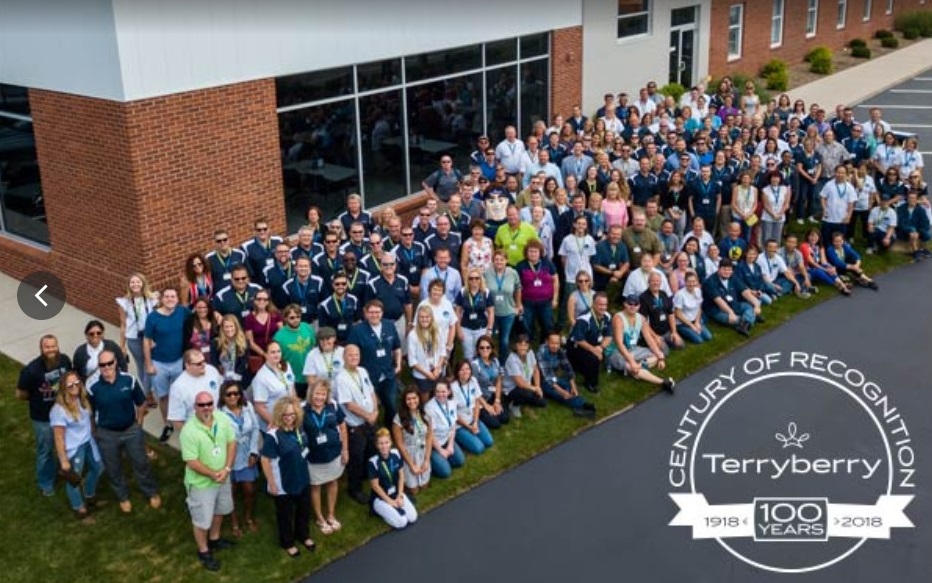
Michigan legislators’ unpopular decision to repeal the state’s Right to Work law helped prompt Mary Soltysiak and her coworkers’ move to vote out the IAM union.
LANSING, MI – Despite poll after poll showing 70 percent of Michiganders wanted Michigan’s decade-old Right to Work law left in place, Gov. Gretchen Whitmer and union cronies in the Michigan Legislature voted to strip Wolverine State workers of their right to refrain from funding unwanted union bosses in March. In response, the Foundation sprang into action, issuing a Special Legal Notice to Michigan workers advising them of their legal options as the state transitions to a forced-dues regime. The notice reminded workers that, despite what union bosses may claim, the state’s Right to Work law remains in effect until 90 days after the legislative session ends later this year — and also what they can do in advance of forced dues being legal again. Unsurprisingly, given Right to Work’s popularity even among union households, Michigan workers are stepping up and taking action to defend their rights against coercive unionism.
Michigan Workers Battle Forced-Dues Schemes Ahead of Repeal
For example, Foundation attorneys are currently assisting Grand Rapids-area Kroger employee Roger Cornett’s challenge to an illegal dues scheme perpetrated by United Food and Commercial Workers (UFCW) union officials. Cornett hit UFCW bosses with federal charges this May, accusing them of ignoring a letter in which he exercised his right to cut off dues deductions from his paycheck. Cornett’s charges also maintained that UFCW bosses sought to seize money from him using a form that blatantly violates existing federal law. Cornett’s charge says the form is illegal because of its “dual purpose” nature, meaning just one signature confusingly locks a worker into both membership and dues deductions. Federal law requires any authorization for union dues deductions to be voluntary and separate from a union membership application. UFCW bosses’ contempt for longstanding federal protections in Cornett’s case likely indicates how aggressively union officials will pursue forced dues under a non-Right to Work regime. The Foundation’s legal notice also counsels workers that they can avoid forced-dues arrangements entirely by petitioning the NLRB to hold “decertification elections” at their workplaces, in which workers can vote unpopular unions out.
Legal Notice Counsels Workers of Right to Vote Out Unwanted Unions
Mary Soltysiak, who opposes forced dues, heard news of the upcoming repeal and filed a petition to decertify the International Association of Machinists and Aerospace Workers (IAM) District Lodge 60/Local Lodge 475 union with free legal aid from Foundation staff attorneys. Soltysiak and her colleagues work at Terryberry, a manufacturing firm in Grand Rapids, MI.
Soltysiak stated that she and some of her colleagues “contacted [a Foundation attorney] and filled out paperwork to get out of paying union dues around the year 2018 because of the Right to Work . . . law.”
“The union has done nothing but hurt my paycheck and my vacation hours,” Soltysiak added.
Soltysiak and her coworkers achieved victory this May, when the NLRB certified their majority vote ousting the IAM union. Hopefully, their success portends the future success of the growing number of workers in Michigan and across the country looking to decertify the unions in their workplaces.
Foundation Also Defending Public Sector Right to Work Protections
As noted in the Foundation’s legal notice, the Michigan Right to Work repeal does not affect public sector Michigan employees. Under the Foundation-won Janus v. AFSCME Supreme Court decision, no public worker in America can be forced to subsidize a union as a condition of employment. But, as the repeal is looming, Michigan public sector union officials are nonetheless seeking to undermine public employees’ freedom to refrain from union support through so-called “fee-for-grievance” schemes.
This April, the Foundation submitted a brief in the Michigan Supreme Court case Technical, Professional and Officeworkers Association of Michigan (TPOAM) v. Renner, in which TPOAM officials are trying to enforce a “fee-for-grievance” policy against Saginaw County employee Daniel Renner. Under it, union bosses strip nonmember public employees of any power to file grievances themselves, and instead mandate that they pay fees sometimes exceeding yearly union dues to use the union’s grievance system.
Michigan legislators’ unpopular decision to repeal the state’s Right to Work law helped prompt Mary Soltysiak and her coworkers’ move to vote out the IAM union.
In the brief, Foundation staff attorneys refute the union’s claims for this newfound power, stating that “fee-for-grievance” schemes were never authorized by the Michigan Legislature and are inconsistent with federal law.
Foundation Attorneys Will Defend Worker Freedom in Michigan
“Michigan union officials and their allies in the state legislature have contempt for workers’ individual rights that knows no bounds,” commented National Right to Work Foundation Vice President and Legal Director William Messenger. “That was made clear by the repeal of the popular Right to Work law, and the attempt to undermine Right to Work protections for public sector employees which are safeguarded by the First Amendment under the Foundation’s Janus U.S. Supreme Court victory.”
“Michigan workers have a long road ahead to restore their rights against union coercion, but Foundation attorneys are fighting alongside these workers, and will continue to fight until no Michigan worker can be forced to pay union bosses they disapprove of just to keep a job,” Messenger added.
Oakland County Employee Slams Union with Federal Charges Over Illegal Seizure of Dues
As Right to Work repeal looms, Milford, Michigan, Kroger employee challenges UFCW union membership form designed to coerce dues deductions
Milford, MI (May 3, 2023) – Michigan Kroger employee Roger Cornett recently filed a federal unfair labor practice charge with the National Labor Relations Board (NLRB) against United Food and Commercial Workers (UFCW) Local 876. Cornett is receiving free legal aid from National Right to Work Legal Defense Foundation staff attorneys.
On April 26, Kroger employee Roger Cornett charged UFCW union officials with illegally seizing union dues from his paycheck. According to his charge, Cornett was presented with a “union membership application” form to complete during an employee orientation.
The form indicated that signing it would authorize both union membership and dues deductions. Cornett’s charge says the form violates federal labor law because of its “dual purpose” nature, as the law requires any authorization for union dues deductions to be voluntary and separate from a union membership application.
Cornett attempted to resign his union membership and revoke his dues deduction authorization around March 8. He successfully resigned his membership, but the union refused to stop deducting dues from Cornett’s paycheck, alleging that Cornett could only exercise his right to stop dues deductions within a tiny “window period” enforced by union officials.
Cornett’s charge comes as Michigan legislators have decided to repeal Michigan’s popular Right to Work law, which prohibits union officials from forcing workers to join or pay dues to a union to get or keep a job. Once the repeal becomes effective, Michigan union officials will again be able to get workers fired for refusal to pay union fees.
The Foundation published a legal notice to Michigan workers, stating “after the repeal statute takes effect, it will be legal under Michigan law for private-sector employers and unions to enter into agreements that compel workers to pay fees to unions as a condition of employment.” The notice also informs Michigan Workers of their legal options after the repeal of Right to Work.
“Union boss pressures will only increase as the repeal of Right to Work nears. Foundation staff attorneys will continue to assist Mr. Cornett in navigating his case,” states Mark Mix, President of the National Right to Work Legal Defense Foundation. “In less than a year, Michigan union bosses will once again have the power to demand workers be terminated merely for refusing to support the union’s agenda with their hard-earned money.”
“The Michigan legislature and Governor Whitmer, both of whom genuflect to union boss lobbyists, made a huge mistake in repealing the Right to Work law previously protecting individual workers. Numerous polls have shown Michiganders’ overwhelming support for the Right to Work law, and yet the Michigan Legislature chose to ignore the will of the people and the rights of workers,” continued Mix. “However, even as the demise of the Right to Work law in Michigan looms, Michigan workers can still reach out to National Right to Work Foundation staff attorneys to learn what rights they have to oppose union coercion, and to request help in exercising those rights.”





