
Military Base Employee Charges Union Bosses with Religious Discrimination
Union officials interrogated employee about her beliefs instead of providing federally-mandated exemption

Dorothy Frame opposes funding the LIUNA union due to its stance on abortion. Instead of providing her an accommodation, union bosses questioned her religious beliefs.
CLARKSVILLE, TN – Dorothy Frame, a J&J Worldwide Service Employee, works at Fort Campbell, a military installation on the Kentucky-Tennessee border. In July 2019, she sent Laborers Local Union 576 (LIUNA) bosses at her workplace a letter requesting a “religious accommodation of her objection to joining or financially supporting the union.”
In her letter requesting the exemption in accordance with federal law regarding workplace discrimination, Frame explained that, as a Catholic, she opposes the union’s stance on abortion. Instead of providing her with an accommodation in accordance with federal law, LIUNA bosses rejected her request and demanded in a letter the following month that she “provide a theological defense.”
Now, with free legal aid from National Right to Work Legal Defense Foundation staff attorneys, she has filed a charge with the Equal Employment Opportunity Commission (EEOC) on the grounds that LIUNA officials illegally discriminated against her because of her religious beliefs.
EEOC Asked to Investigate Union Boss Religious Discrimination
Frame’s charge notes that under her Catholic faith she believes abortion is “the unjustified destruction of a human life,” a belief that is rooted in “her understanding of Catholic teaching, scripture, and God’s will.” Because of those sincere beliefs and her knowledge that the union “funds and supports abortion,” her charge states that for her “it would be sinful to join or financially support the union.”
Frame had been a LIUNA member for four years before requesting an accommodation. According to the charge, she converted to Catholicism in 2017 and discovered the conflict between her sincerely held religious beliefs and union officials’ position on abortion “shortly before she wrote her accommodation request.”
Although Kentucky and Tennessee both have Right to Work laws which ensure that union membership and financial support are strictly voluntary, Fort Campbell’s status as an “exclusive federal enclave” overrides those state laws. Thus, the monopoly bargaining contract between J&J Worldwide Service and the LIUNA union requires Frame to pay union dues or fees as a condition of employment.
Union Boss Questions Priest’s Letter Supporting Religious Accommodation Request
LIUNA bosses rebuffed Frame’s request in August 2019, sending her a letter in which a union lawyer told Frame she would need to “provide a theological defense” of her beliefs to meet LIUNA union officials’ supposed standard for a “legitimate justification” for her accommodation request. Frame then provided a letter from her parish priest supporting her religious opposition to abortion, but, according to her charge, “the Union lawyer rejected this evidence based on his supposedly superior religious views.”
Frame’s Foundation-provided attorney also provided evidence to LIUNA officials that abortion violates the teachings of the Catholic Church. But her charge notes that union officials never responded to this additional evidence and continued to take money from her paycheck in violation of her sincere religious beliefs. Her charge alleges this violates her rights under Title VII of the Civil Rights Act of 1964, which prohibits discriminating against an individual based on his or her religious beliefs. If the EEOC finds merit in her charges, Frame could be given a “right to sue” letter, which authorizes her to file a federal lawsuit against LIUNA officials to vindicate her rights.
Foundation staff attorneys regularly aid workers who have a religious objection to supporting a labor union. They recently helped Boston College electrician Ardeshir Ansari secure such an accommodation from his employer and the union, Service Employees’ International Union 32BJ.
“It is outrageous that LIUNA bosses are forcing Ms. Frame to choose between keeping her job and violating her sincere religious beliefs,” commented Raymond LaJeunesse, Vice President and Legal Director of the National Right to Work Foundation. “Although such religious discrimination is a blatant violation of federal law, union boss demands in this case serve as a reminder why no worker in America should be forced to subsidize union activities they oppose, no matter whether their opposition is religious-based or for any other reason.”
Electrician Files Discrimination Lawsuit Challenging Forced Union Fees
The following article is from the National Right to Work Legal Defense Foundation’s bi-monthly Foundation Action Newsletter, January/February 2020 edition. To view other editions or to sign up for a free subscription, click here.
Boston College and SEIU officials ignored reasonable request to accommodate religious beliefs
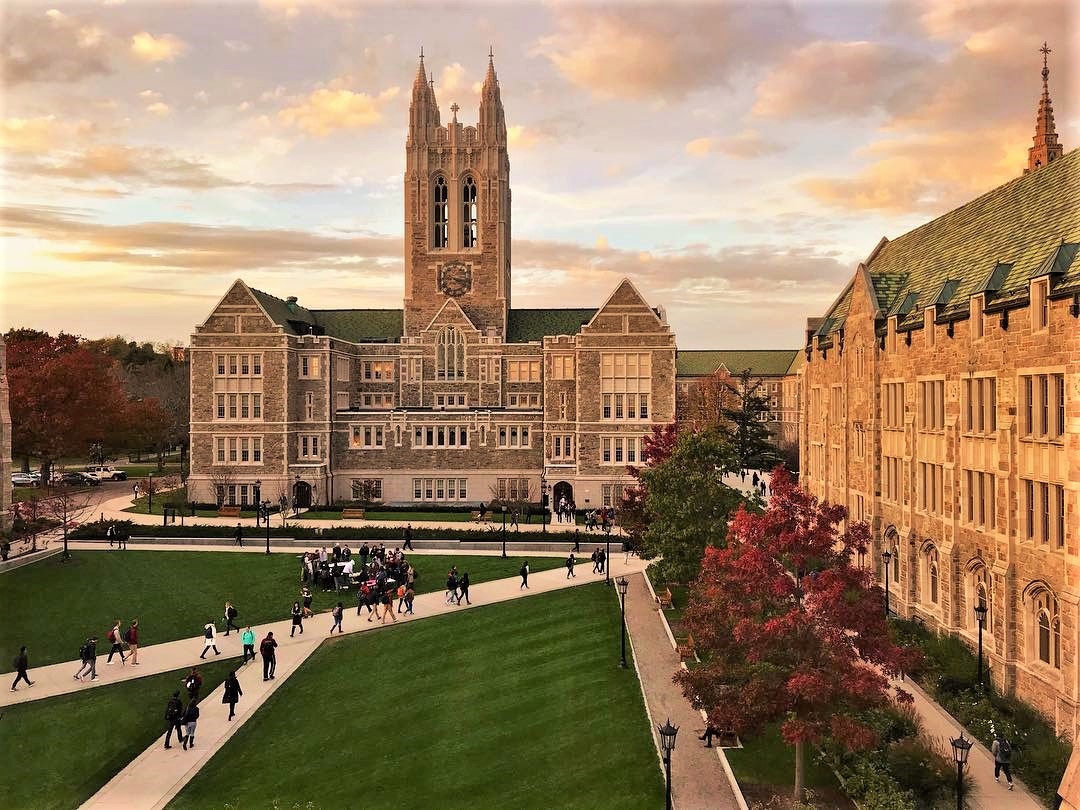 Boston College officials seized union fees from electrician Ardeshir Ansari’s paycheck at the behest of SEIU bosses, even after he had informed them that such fees violate his religious beliefs.
BOSTON, MA – In November, National Right to Work Foundation staff attorneys filed a federal Title VII religious discrimination lawsuit for a Boston College electrician whose rights were violated by the Service Employees International Union (SEIU) in illegally demanding union fees. The lawsuit also names his employer, Boston College, for its role in the discrimination.
Ardeshir Ansari objects to supporting the union based on deeply held religious beliefs. Under the local SEIU’s monopoly bargaining agreement at Boston College, however, he was told that he must join or financially support the SEIU or be fired. To avoid being fired, Ansari unwillingly paid fees to the union in violation of his sincere religious beliefs.
On October 1, 2018, Ansari sent a letter to Boston College and the SEIU, informing them his religious beliefs conflict with joining or financially supporting the union. He asked that his union fees be diverted to charity instead of being sent to the union, an established remedy for such a conflict.
Instead of responding, the college continued to take a cut of his paycheck and send it to SEIU officials in violation of his sincerely held religious beliefs.
In response, Ansari filed charges with the Equal Employment Opportunity Commission (EEOC) against college and union officials. The EEOC then determined that both Boston College and the SEIU had violated Title VII.
Last September, the EEOC gave Ansari a right-to-sue letter, which authorized him to file a lawsuit under Title VII of the Civil Rights Act of 1964. That federal law prohibits employers and unions from discriminating against an individual based on his or her religious beliefs.
In November, Foundation staff attorneys filed a lawsuit for Ansari against Boston College and the SEIU for illegally discriminating against him by failing to reasonably accommodate his religious beliefs, violating his rights under Title VII.
The lawsuit demands that college and SEIU local officials pay all fees deducted from Ansari’s paycheck to a charity mutually agreed upon and seeks damages for the emotional distress he suffered while his rights were violated for more than a year.
EEOC Found Religious Discrimination by SEIU
Moreover, the Title VII lawsuit asks the court to prevent the college from continuing to discriminate against his religious beliefs and that the union be required to inform workers that those with religious objections to the payment of union fees are entitled by law to pay those fees to a charity instead.
“Workers with sincere religious objections to joining or funding a union are legally protected from being forced to violate their conscience,” said National Right to Work Foundation Vice President and Legal Director Ray LaJeunesse. “No one should ever be forced to choose between keeping a job to provide for their family and violating their deeply held religious beliefs by supporting a union.”
“Right to Work laws protect workers like Mr. Ansari from this kind of discrimination. Under those laws, workers can stop paying union fees and resign union membership for any reason and thus avoid illegal religious discrimination,” added LaJeunesse.
Boston College Electrician Hits SEIU Union, College with Lawsuit for Religious Discrimination in Forced Union Fees Requirement
Instead of accommodating employee’s religious beliefs as required by federal law, SEIU union officials and college administrators repeatedly ignored and violated his rights
Boston, MA (November 20, 2019) — Ardeshir Ansari, an electrician who works for Boston College filed a Title VII religious discrimination lawsuit today against the college and Service Employees International Union 32BJ, District 615 (SEIU) with free legal assistance from National Right to Work Legal Defense staff attorneys.
Ardeshir Ansari objects to supporting the union based on deeply held religious beliefs. Under the local SEIU’s monopoly bargaining agreement at Boston College, however, he was told that he must join or financially support the SEIU or be fired. To avoid being fired, Ansari paid fees to the union, despite his sincere religious beliefs. Ansari is invoking Title VII of the Civil Rights Act of 1964, which prohibits discriminating against an individual based on his or her religious beliefs.
On October 1st last year, Ansari sent a letter to Boston College and the SEIU informing them of how his religious beliefs conflict with joining or financially supporting the union. He asked that his union fees be diverted to charity instead of being sent to the union, which is a long-established remedy for such a conflict. Instead of responding, the college continued to take a cut of his paycheck and send it to SEIU officials in violation of his sincerely held religious beliefs.
In January this year Ansari filed charges with the Equal Employment Opportunity Commission (EEOC) against the college and union officials, and the EEOC determined this summer that both Boston College and the SEIU had violated Title VII. In September, the EEOC gave Ansari a right-to-sue letter, which authorized him to file a lawsuit under Title VII against the college and the union.
Consequently, Foundation staff attorneys today filed a lawsuit on Ansari’s behalf against Boston College and the SEIU for illegally discriminating against Ansari for failing to reasonably accommodate his religious beliefs in violation of his rights under Title VII of the Civil Rights Act. The lawsuit further alleges that because Boston College made paycheck deductions for the SEIU despite Ansari’s notice of religious objections, and because Ansari would have been fired if he did not pay the fees, their actions constitute quid pro quo religious harassment.
The lawsuit asks that the college and SEIU local pay all fees deducted from Ansari’s paycheck to a charity mutually agreed upon and pay Ansari for damages for the emotional distress he has suffered while his rights have been violated for more than a year. It also asks the court to prevent the college from continuing to discriminate against his religious beliefs and asks that the union be required to inform workers that those with religious objections to the payment of union fees are entitled to pay those fees to a charity instead.
“Workers who have sincere religious objections to joining or funding a union are legally protected from being forced to violate their conscience,” said National Right to Work President Mark Mix. “No one should ever be forced to choose between keeping a job to provide for their family and violating their deeply held religious beliefs by supporting a union.”
“Ultimately, a Right to Work law that makes all union payments voluntary is the best solution to this type of illegal discrimination. That way, all workers who object to funding union activities are free to cut off such payments whether or not the nature of their opposition to the union is faith-based,” added Mix.





