
Security Guard Wins Groundbreaking ‘Janus’ Religious Accommodation
The following article is from the National Right to Work Legal Defense Foundation’s bi-monthly Foundation Action Newsletter, July/August 2024 edition. To view other editions of Foundation Action or to sign up for a free subscription, click here.
À la Janus, religious objector to union affiliation is free from all forced payments
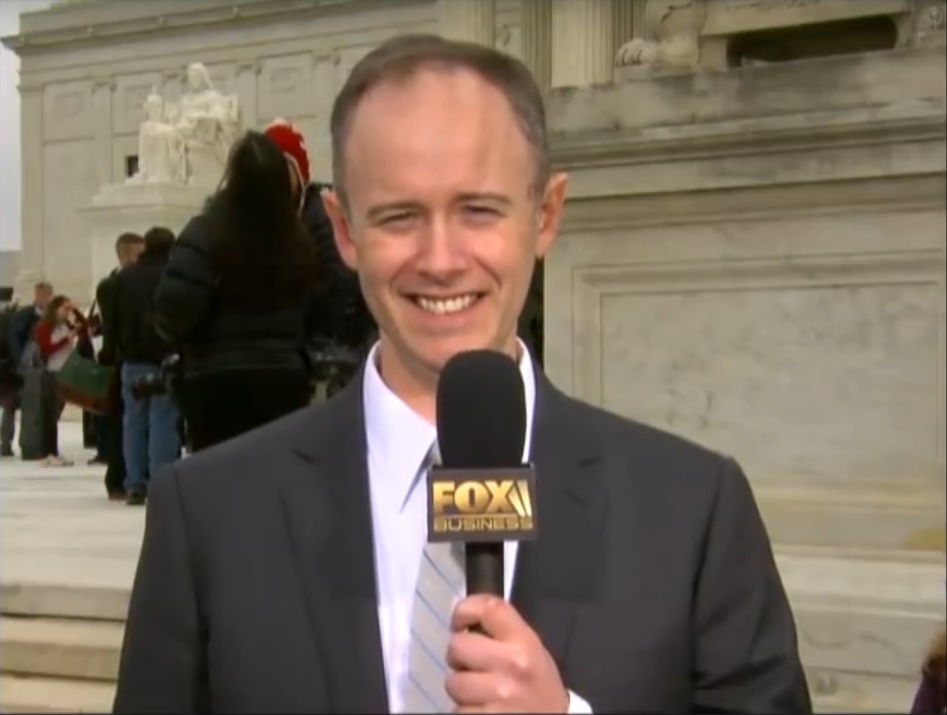
The landmark Janus SCOTUS case, argued by Foundation Legal Director William Messenger, profoundly strengthened public employees’ First Amendment rights. But it appears the impact of the case is just beginning.
SAN FRANCISCO, CA – National Right to Work Foundation staff attorneys have been trailblazers in scoring legal protections for independent-minded workers who oppose joining or paying dues to a union on religious grounds. Over the years, Foundation attorneys have helped workers from a variety of faiths secure religious accommodations to forced-dues payment.
Earlier this year, Foundation attorneys achieved a breakthrough in this area of the law. In their case for Thomas Ross, a San Francisco-based employee of security company Allied Universal who sought a faith-based exemption from paying dues to a Service Employees International Union (SEIU) affiliate, Foundation attorneys won an unprecedented settlement. It not only frees Ross from any requirement to pay dues or fees to the union, but also frees him from any obligation to pay an amount equivalent to dues to a charity, which has been the dominant form of accommodation in the past for religious objectors.
Union Demanded Religious Worker Violate Faith, Breaking Federal Laws
Ross is a Christian who opposes union affiliation on religious grounds. Ross informed both the SEIU union and Allied Universal when he was hired in 2020 that his religious beliefs disallowed union membership and that he needed an accommodation. In addition to ignoring that request, in 2022 his employer told him that union membership was mandatory and “demanded that [he] sign a payroll deduction, join the [union], and pay union dues,” according to filings in his case.
Ross fought back by filing federal discrimination charges against the union and Allied Universal at the Equal Employment Opportunity Commission (EEOC), as well as by filing unfair labor practice charges at the National Labor Relations Board (NLRB). Title VII of the Civil Rights Act of 1964 requires unions and employers to accommodate religious objections to union payments. Additionally, the National Labor Relations Act (NLRA) prohibits mandatory union membership, even in non-Right to Work states like California.
Ross’ Foundation-backed legal battle against SEIU and Allied Universal continued into 2023, when Foundation attorneys appealed a specious NLRB decision which attempted to dispose of the issue as a mere administrative error on the employer’s part. Finally, in 2024, the SEIU and Allied Universal backed down and settled the case, conceding a full religious accommodation to Ross.
The terms of the settlement state that Allied Universal and SEIU “will not enforce the collective bargaining agreement’s union membership and fee provisions against Ross . . . [and] will not force Ross to pay any union fees while he is employed by Allied Universal.”
In an article in the Baylor Law Review following the settlement, Foundation attorneys Bruce Cameron and Blaine Hutchison argue that, in light of the Foundation’s landmark 2018 Supreme Court victory in Janus v. AFSCME, religious accommodations like Ross’ should be the standard for future cases involving religious objectors to union membership and dues payment. In Janus, the Supreme Court ruled that the First Amendment prohibits forcing public sector employees to join or pay dues to a union as a condition of employment.
Janus Shows Right Way to Accommodate Religious Employees
The article points out that the Supreme Court in Janus knocked down the so-called “free-rider” and “labor-peace” arguments that union lawyers typically use to justify forcing religious objectors to pay dues money to a charity. In Janus, the article explains, “The Court showed that nonmembers need not pay fees to compensate the union or to prevent labor unrest.”
The payment-to-charity scheme simply “punishes individuals for following their faith,” the article says. “Janus shows the proper solution: religious objectors need not pay any forced union fees.”
“Mr. Ross fought bravely with help from Foundation attorneys, and has opened up a new horizon for religious employees across the country,” commented National Right to Work Foundation President Mark Mix. “The idea that union officials can force religious objectors to make any kind of payment clearly runs counter to America’s core ideals of freedom of religion and freedom of association, and it’s high time that courts recognize more robust protections for those rights.
“However, it’s important to recognize that, regardless of whether an employee’s objection to union affiliation is religious in nature or not, no American worker should ever be forced to subsidize union activities they oppose,” Mix added.
California Security Employee Appeals NLRB Discrimination Ruling Minimizing Blatantly Illegal Force Union Demands
Labor Board wrongly claimed illegal union membership threats against San Francisco Allied Universal employee were mere clerical errors
San Francisco, CA (March 17, 2023) – Allied Universal employee Thomas Ross filed an appeal after National Labor Relations Board (NLRB) officials tried to end his discrimination cases against his employer and Service Employees International Union (SEIU) on the grounds that they are moot. Ross is receiving free legal aid from the National Right to Work Legal Defense Foundation in his several cases against the union and employer.
On November 10, 2022, Thomas Ross hit union officials affiliated with the Service Employees International Union (SEIU) and his employer Allied Universal, with two sets of federal charges for forcing him to join and financially support the union after he told both parties his religious beliefs forbid union support. One set of charges was filed with the NLRB for violating his rights under federal labor law, and the other was filed with the Equal Employment Opportunity Commission (EEOC), where the charges are still pending, for illegal religious discrimination under federal civil rights law.
California, where Ross is employed, lacks Right to Work protections for its private sector workers, allowing union officials the power to force workers to pay them fees or be fired. In Right to Work states, in contrast, no worker can be fired for refusal to financially support a union.
However, under federal law, employees with religious objections cannot be compelled to pay union fees, even in non-Right to Work States. Further, under the National Labor Relations Act, which the NLRB is charged with enforcing, formal union membership cannot be mandatory, nor can dues be deducted from a worker’s paycheck without explicit authorization.
Despite this, Allied Universal demanded Ross join the union and also illegally seized dues from his paycheck without Ross’ consent, which it then sent to SEIU officials. After Ross filed the charges, Allied Universal refunded Ross’s illegally seized dues and claimed that the deduction was simply an “administrative error”. This led the NRLB to dismiss the case on the basis of the supposed “error” being resolved.
Foundation Attorneys and Ross have ample evidence to demonstrate the dues seizure was not a mere clerical error. In the appeal filed with the NLRB on March 13, 2023, Foundation attorneys highlighted that “it was established company policy that all employees are required to sign the checkoff and membership forms to work at Allied’s ‘union-only’ locations.”
The appeal also showcases several threats made to Ross by Allied Universal, even after receiving written notice of his religious objection. The correspondence in the case “show[s] employer agents reiterating several times that Mr. Ross must sign the membership forms in order to work at a ‘union site,’ or he can find a new job.”
“The Foundation is proud to assist Mr. Ross in his brave fight against religious discrimination and union boss coercion in his workplace,” stated Mark Mix, President of the National Right to Work Foundation. “Apparently at the behest of the SEIU, Allied Universal repeatedly and blatantly violated Mr. Ross’ legal rights. The NLRB should not sweep those under the rug as supposed ‘clerical errors’ because the clear violations of longstanding law financially benefitted union officials.”
“Additionally, it’s important to note that regardless of whether an individual employee’s objection to union affiliation and dues payment is religious in nature or not, ultimately no worker should be forced to pay dues to a union under threat of losing their livelihood,” Mix added.
SF Security Officer Slams SEIU Union and Allied Universal with Federal Charges for Discrimination & Unfair Labor Practices
Despite informing both management and union of religious objections to union membership and financial support, employer seized money from worker’s paycheck for union
San Francisco, CA (November 10, 2022) – Thomas Ross, a San Francisco-based security officer employed by Allied Universal, has hit union officials affiliated with the Service Employees International Union (SEIU) and his employer with two sets of federal charges for forcing him to join and financially support the union after he told both parties his religious beliefs forbid union support. He is receiving free legal aid from National Right to Work Foundation staff attorneys.
Ross filed both federal discrimination charges, which will now be investigated by the Equal Employment Opportunity Commission (EEOC), and unfair labor practice charges, which will be handled by the National Labor Relations Board (NLRB).
Ross is a Christian and opposes union affiliation on religious grounds. Title VII of the Civil Rights Act of 1964 prohibits unions and employers from discriminating against employees on the basis of religion. Title VII thus forbids forcing individuals to fund or support a union, the activities of which conflict with their religion. It also requires unions and employers to accommodate religious objections to union payments. Yet, according to Ross’ discrimination charges, SEIU union bosses flatly denied a request he made for such an accommodation.
Ross’ unfair labor practice charges, filed at NLRB Region 20, state that SEIU bosses and Allied Universal officials breached basic federal law by telling him that union membership is mandatory. The National Labor Relations Act (NLRA) protects private sector workers’ right to abstain from any or all union activities, and forced union membership is prohibited regardless of an individual worker’s reason for not wanting to affiliate with a union.
California’s lack of Right to Work protections for its private sector workers means that union officials are granted the power to force workers to pay them fees or be fired in workplaces where they maintain power. However, under federal law, employees with religious objections cannot be compelled to pay such fees. In Right to Work states, in contrast, no worker can be fired for refusal to financially support a union.
Union’s Discriminatory Demands Violate Both Title VII and Basic Federal Labor Law
According to his discrimination charges, Ross informed both the SEIU union and Allied Universal when he was hired in 2020 that his religious beliefs disallowed union membership and that he needed an accommodation. In addition to ignoring that request, his charges state that on July 20, 2022, “Allied Universal…demanded that I sign a payroll deduction, join the unions, and pay union dues.”
On August 31, 2022, Ross reminded Allied Universal of his religious objection to paying union dues, but on September 15, 2022, Ross’ “employer stated that union membership was compulsory and deducted union fees” from his paycheck without his consent.
Ross’ unfair labor practice charges state that those deductions violate the NLRA, because that statute prohibits the deduction of union dues and fees unless the employee has signed a written authorization. Ross’ discrimination charges argue that both his employer and the union have also violated his rights “under Title VII of the Civil Rights Act of 1964” and parallel state non-discrimination laws.
Foundation Attorneys Regularly Win Cases for Workers Facing Religious Discrimination
Workers nationwide frequently turn to the National Right to Work Foundation for free legal aid when union chiefs snub their requests for religious accommodations or otherwise discriminate against them based on their religious beliefs.
This past July, Foundation staff attorneys scored a multi-million-dollar jury verdict for former Southwest flight attendant Charlene Carter, whom Transport Workers Union (TWU) officials subjected to ridicule based on her religious opposition to union activities. This March, also with Foundation aid, Fort Campbell custodial worker Dorothy Frame won a settlement gaining a religious accommodation after Laborers’ (LIUNA) union officials unlawfully questioned her religious belief that she could not support financially the union’s political activities.
“The Foundation is proud to help working men and women who courageously stand up for their beliefs even in the midst of union coercion,” commented National Right to Work Foundation President Mark Mix. “However, it’s important to recognize that, regardless of whether an employee’s objection to union affiliation is religious in nature or not, no American worker should ever be forced to subsidize union activities they oppose.”





