
Foundation-Backed Workers Push Back Against UAW Bosses’ Coercive Tactics
The following article is from the National Right to Work Legal Defense Foundation’s bi-monthly Foundation Action Newsletter, July/August 2024 edition. To view other editions of Foundation Action or to sign up for a free subscription, click here.
New Jersey ouster of UAW comes as union bosses wage aggressive nationwide campaign
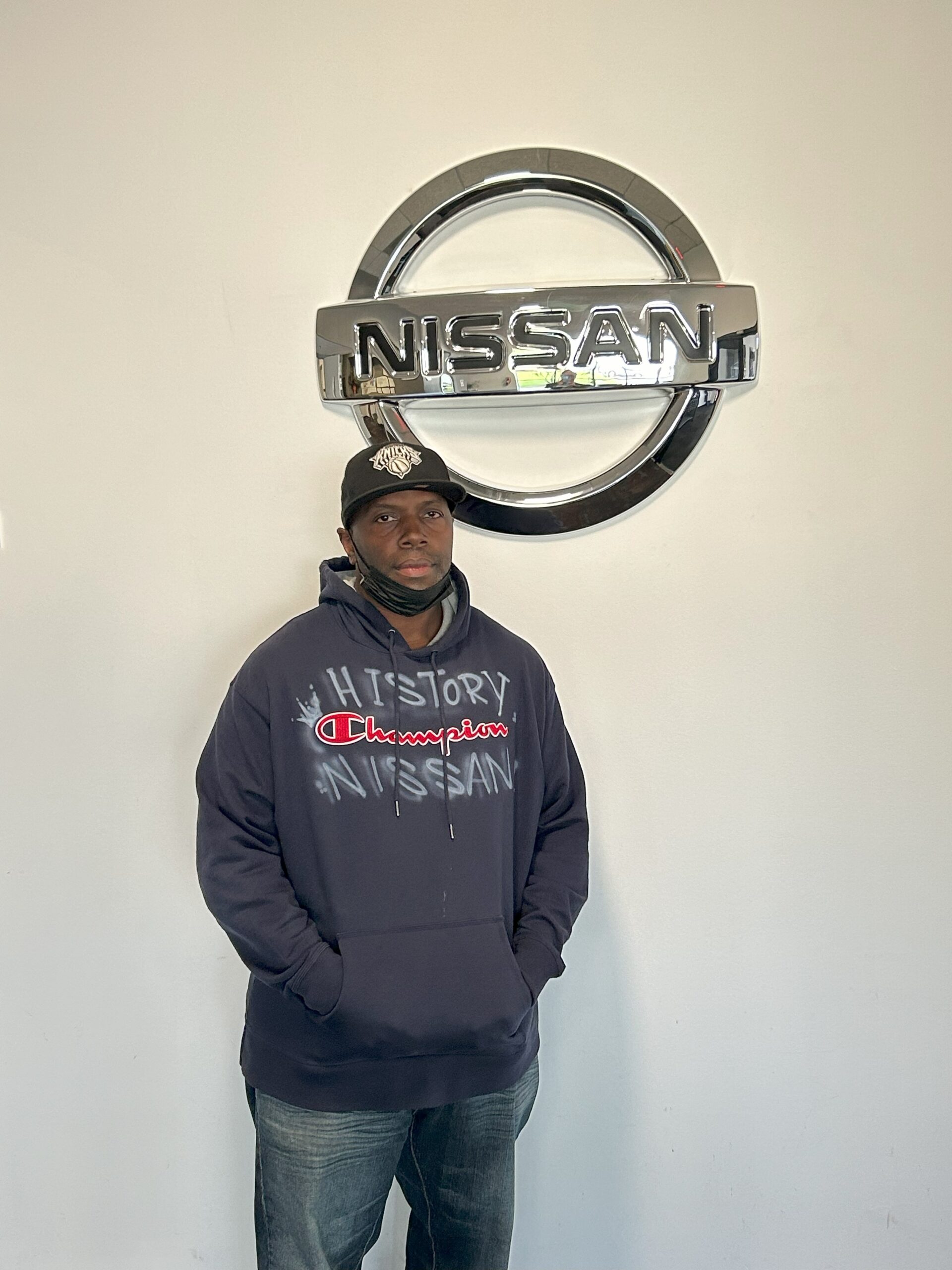
Fain’s Bane: Michael Oliver and his Nissan parts distribution coworkers ousted UAW officials even after they’d tried to force a new contract on the workplace. UAW President Shawn Fain had no response after Oliver’s victory.
SOMERSET, NJ – United Auto Workers (UAW) union bosses this April and May continued marching forward their multi-million-dollar campaign to get auto workers from traditionally nonunion plants under their control. They’ve met with only mixed success — most recently a union election at Mercedes-Benz’s large plant in Vance, Alabama, saw nearly 600 more workers vote against UAW control than for it.
Meanwhile, National Right to Work Foundation staff attorneys helped a large group of New Jersey employees oust the UAW after they’d seen the union’s agenda up close. Michael Oliver and his coworkers successfully exercised their right to vote UAW bosses out of a Nissan parts distribution plant in Somerset, New Jersey. Nearly 70% of the workers who participated in the “decertification vote” at the Nissan facility voted to send the Detroit-based union packing.
“UAW union officials were far more concerned with hoarding power in the workplace than communicating with or listening to workers,” Oliver told The Detroit News of his and his colleagues’ effort. “They kept us completely in the dark about contract negotiations, and treated anyone in the workplace who opposed their agenda or questioned their leadership with a huge amount of arrogance, contempt, and even intimidation.”
Oliver submitted a decertification petition to the National Labor Relations Board (NLRB) in early April, asking the federal agency to hold a vote at his workplace to remove the union. The petition contained signatures from enough of his coworkers to trigger a vote under NLRB rules. The vote took place on April 24.
Even in the midst of widespread worker opposition, UAW officials tried (albeit unsuccessfully) to manipulate NLRB processes in order to remain in power at the Nissan parts distribution plant. Shortly after Oliver submitted the decertification petition, UAW union officials announced that they had ratified a new union contract with Nissan management.
The NLRB’s dubious “contract bar” allows union bosses in many cases to quash decertification efforts for generally up to three years while a union contract is in effect. However, the contract bar didn’t stop Oliver and his coworkers’ requested election, because union officials weren’t able to reach a monopoly bargaining agreement with Nissan before Oliver filed his petition.
Shawn Fain Lost for Words After Nissan Workers Oust UAW Union
Oliver and his coworkers’ endeavor caught UAW President Shawn Fain off-guard. Fain told The Detroit News “I don’t have a response, because that kind of happened under the radar” and claimed that the company somehow played an illicit role in influencing the workers to kick out the union. However, there’s no evidence to support that claim, and UAW officials filed no objections to the election despite having ample time to do so.
Philly-Area Dometic Workers Fight Illegal UAW Strike Threats
Meanwhile, UAW chieftains at the Philadelphia-area plant of auto accessory manufacturer Dometic are facing new worker-filed federal charges for sending a mass text to employees illegally threatening their employment if they exercise their right to continue working during a strike.
These new charges come after several Dometic employees already hit the UAW with charges accusing the union of imposing unlawful disciplinary procedures on them simply because they resigned membership in the union.
Mario Coccie, the Dometic worker who filed the latest round of federal charges against the UAW with free Foundation legal aid, was also in the group of workers who initially charged the union with illegally penalizing workers who resign membership. “The information in this text reveals union officials’ real intentions, which is to hurt anyone willing to stand up for themselves,” commented Coccie. “What is happening in this case is completely unjust.”
“With UAW union bosses spending millions of dollars to expand their influence to nonunion facilities around the country, it’s important to remember that workers who have experienced UAW officials’ ‘representation’ often end up resenting it,” commented National Right to Work Foundation Vice President and Legal Director William Messenger. “Nissan employees in New Jersey and Dometic workers in Pennsylvania are prime examples of this, and their situations demonstrate above all that workers must have more leeway in disaffiliating with or completely voting out union bosses whose agendas harm the workers.”
Somerset, NJ, Nissan Employees Overwhelmingly Vote Out UAW Union Bosses
Nearly 70% of distribution center employees voted against UAW, vote proceeded despite last-minute contract ratification by union officials and management
Somerset, NJ (April 30, 2024) – During a secret ballot election last week, workers at Nissan North America’s parts distribution center in Somerset, NJ, voted to oust United Auto Workers (UAW) union officials from power at their facility. The workers who participated in the April 24 union decertification election voted by nearly 70% to remove the union. Nissan employee Michael Oliver spearheaded the union removal effort with free legal aid from the National Right to Work Legal Defense Foundation.
Oliver kick-started the effort by filing a union decertification petition on April 1 with the National Labor Relations Board (NLRB), the federal agency responsible for enforcing federal labor law, which includes administering elections to install (or “certify”) and remove (or “decertify”) unions. Oliver’s petition contained support from enough of his coworkers to trigger a decertification vote under NLRB rules.
Because New Jersey lacks Right to Work protections for its private sector workers, UAW officials maintained contracts with Nissan management that require Oliver and his coworkers to pay union dues as a condition of keeping their jobs. In Right to Work states, in contrast, union membership and all union financial support are strictly voluntary.
However, in both Right to Work and non-Right to Work states, union officials in a unionized workplace are empowered by federal law to impose a union contract on all employees in the work unit, including those who oppose the union. A successful decertification vote strips union officials of both their forced-dues and monopoly bargaining powers.
If union officials file no objections to the election by midnight on April 30, NLRB officials will certify the vote and Somerset Nissan employees will be officially free of the union.
UAW Union Officials Rushed New Contract in Likely Attempt to Prevent Removal Vote
After Oliver’s April 1 submission of the decertification petition, UAW union officials announced on April 18 that they had ratified a new union contract with Nissan management. The last contract had expired.
While the NLRB’s dubious “contract bar” generally allows union bosses to quash worker-filed decertification efforts for up to three years while a union contract is in effect, the contract bar didn’t stop Oliver and his coworkers’ requested election, because union officials weren’t able to reach a monopoly bargaining agreement with Nissan before Oliver filed his decertification petition. The contract bar does not appear in the National Labor Relations Act (NLRA), the federal law the NLRB is charged with enforcing, and is instead the product of union boss-friendly Board decisions.
Had union officials been able to ratify the contract just a few days earlier, the UAW likely would have succeeded in trapping the workers in union “representation” and forced-dues payments, despite a wide majority wanting to be free of the UAW.
Workers Across Country Growing Dissatisfied with UAW Agenda
Across the country, workers are choosing to affiliate with unions in record-low numbers, according to the most recent Gallup poll on the subject. In 2023, the UAW’s membership fell to its lowest level since 2009. Nonetheless, the UAW’s top bosses are engaged in a multi-million-dollar campaign to expand their influence across nonunion auto facilities, particularly in the South.
Workers are also increasingly attempting to exercise their right to vote out union officials they disapprove of. According to NLRB data, since 2020 decertification petition filings have gone up by over 40%. To resist this trend, the Biden NLRB is attempting to make it substantially more difficult for workers to decertify unions, and could soon issue a final rule invalidating the Election Protection Rule. The Election Protection Rule is a policy which contains multiple important safeguards regarding employees’ right to decertify unions they oppose.
“Mr. Oliver and his fellow Nissan employees are another example that workers who see the UAW up close and personal end up disliking the union’s so-called ‘representation,’” commented National Right to Work Foundation President Mark Mix.
“While these Nissan workers were able to get a vote to eliminate the UAW from their workplace, too often we hear from workers who are frustrated to learn they may have to wait years before even being able to seek a vote to remove unwanted union monopoly representation,” Mix added. “The vast scores of auto industry workers now within the crosshairs of the UAW’s sweeping organizing plan should remember that union officials often prioritize their own power over workers’ interests, and that biased NLRB standards like the ‘contract bar’ may make it very difficult to remove a union after it has been installed.”
Somerset, NJ, Nissan Parts Distribution Center Employees File Petition for Vote to Kick Out UAW Union
UAW union officials imposed forced-dues contracts on Nissan employees
Somerset, NJ (April 4, 2024) – Michael Oliver, an employee of Nissan North America’s parts distribution center in Somerset, NJ, has just filed a petition with the National Labor Relations Board (NLRB) seeking a workplace vote to remove United Auto Workers (UAW) officials from his workplace. Oliver filed the petition with free legal aid from the National Right to Work Legal Defense Foundation.
The NLRB is the federal agency responsible for enforcing federal labor law, which includes administering elections to install (or “certify”) and remove (or “decertify”) unions. Oliver’s petition contains signatures from enough of his coworkers to trigger a decertification vote under NLRB rules.
Because New Jersey lacks Right to Work protections for its private sector workers, UAW officials have maintained contracts with Nissan management that require Oliver and his coworkers to pay union dues as a condition of keeping their jobs. In Right to Work states, in contrast, union membership and all union financial support are strictly voluntary.
However, in both Right to Work and non-Right to Work states, union officials in a unionized workplace are empowered by federal law to impose a union contract on all employees in the work unit, including those who oppose the union. A successful decertification vote strips union officials of both their forced-dues and monopoly bargaining powers.
“UAW union officials haven’t bargained effectively or communicated well with me and my coworkers, and they have refused to inform us of bargaining developments,” commented Oliver. “Because New Jersey isn’t a Right to Work state and we can’t protect our paychecks from future deductions simply by opting out of dues payments, my coworkers and I are left with no choice but to throw out the UAW. We hope the NLRB will let us vote on the union without delay.”
Workers Across Country Growing Dissatisfied with UAW Agenda
Across the country, workers are choosing to affiliate with unions in record-low numbers, according to the most recent Gallup poll on the subject. In 2023, the UAW’s membership fell to its lowest level since 2009.
Workers are also increasingly attempting to exercise their right to vote out union officials they disapprove of. According to NLRB data, since 2020 decertification petition filings have gone up by over 40%. To resist this trend, the Biden NLRB is attempting to make it substantially more difficult for workers to decertify unions, and could soon issue a final rule invalidating the Election Protection Rule. The Election Protection Rule is a policy which contains multiple important safeguards regarding employees’ right to decertify unions they oppose.
“With UAW union bosses spending millions of dollars to expand their influence to nonunion facilities around the country, it’s important to remember that workers who have experienced UAW officials’ ‘representation’ often end up resenting it,” commented National Right to Work Foundation President Mark Mix. “In addition to these Nissan employees seeking to decertify the UAW, autoworkers recently protested outside UAW headquarters, saying UAW President Shawn Fain’s lies led to them losing their jobs.
“These situations show why workers must have the unfettered right to vote out unions they disapprove of, and Foundation attorneys will fight for individual workers to defend that right and will challenge top-down attempts by the Biden NLRB to restrict that right,” Mix added.





