
Foundation Issues Statement on Glacier Northwest SCOTUS Decision
The Supreme Court of the United States has just ruled that union bosses who orchestrate property damage as part of a strike order aren’t immune to liability in state court.
In Glacier Northwest v. International Brotherhood of Teamsters Local 174, an 8-1 SCOTUS majority rejected Teamsters officials’ argument that the National Labor Relations Act (NLRA) prevented Glacier Northwest, a Washington State-based concrete company, from suing the union in state court for ordering cement truck drivers to abandon their trucks and leave copious amounts of cement spoiled and completely unusable.
National Right to Work Foundation President Mark Mix issued the following statement on the ruling:
The Supreme Court correctly ruled that union officials should not be granted immunity from state lawsuits over deliberate property damage perpetrated during union strike actions. The issue in Glacier Northwest, however, represents only the tip of the iceberg when it comes to union bosses’ special legal privileges – especially concerning the powers union officials have over rank-and-file workers.
As the Foundation noted in its amicus brief in the case, beyond the issue of deliberate property damage, union officials have vast special powers and immunities that no other private entity or individual enjoys. This long list includes not only forcing workers under union ‘representation’ they oppose and then extorting workers to pay union fees or else be fired, but also a court-created exemption from federal prosecution for extortionate violence if it is pursued for so-called ‘legitimate union objectives.’
Ultimately, this case shows how far courts and lawmakers have to go in order to level the playing field and stop allowing union bosses to play by a different set of rules from those that apply to all other citizens and private entities.
The Foundation’s amicus brief in Glacier Northwest can be viewed here. Mark also penned an op-ed for Fox News explaining the breadth and depth of union boss legal privileges.
Foundation to High Court: Time to End Union Boss Vandalism Exemptions
The following article is from the National Right to Work Legal Defense Foundation’s bi-monthly Foundation Action Newsletter, January/February 2023 edition. To view other editions of Foundation Action or to sign up for a free subscription, click here.
Case asks if Teamsters are immune from liability for property destruction during strike
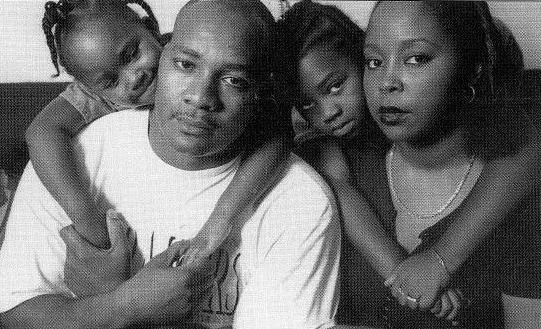
Rod Carter sought Foundation help after he was stabbed and beaten by Teamsters militants in 1997. The Foundation still fights union violence and opposes union bosses’ attempts to dodge property damage lawsuits.
WASHINGTON, DC – Unions and union officials already have an enormous number of special privileges under the law enjoyed by no other private organization or individual. Yet those special powers — including forcing workers under monopoly “representation” and union dues payments they oppose — haven’t stopped union lawyers from arguing for even more special exemptions.
In a case now before the U.S. Supreme Court, the Justices are set to decide whether the Washington State Supreme Court was correct when it granted Teamsters union officials immunity from lawsuits filed under state law. The lawsuit in this case concerned vandalism and property damage against an employer that occurred during a union boss-ordered strike.
Union Chiefs Want Blank Check to Target Workers with Property Damage
In Glacier Northwest Inc. v. International Brotherhood of Teamsters Local 174, a construction company sued the Teamsters union over property damage deliberately caused as part of a strike, only to see the Washington Supreme Court overturn the lower court and agree with union bosses’ argument that unions were exempt from such lawsuits.
With the issue now before the nation’s highest court, the National Right to Work Foundation filed a brief in the case arguing that creating such a carve-out is wrong under the law. The Foundation brief says this exemption is dangerous not only to businesses but first and foremost to independent-minded workers, and that union officials’ abundance of government-granted powers should be pared back, not extended. Oral arguments are set for January 10, 2023.
The Foundation explains in the amicus brief that “states’ interest in protecting life, limb, and private property must be respected under principles of federalism” because federal courts usually don’t offer relief for crimes like vandalism and property damage, making state courts the only place where lawsuits can be filed for such behavior. Far from being a concern only for employers who face union strike efforts, the Foundation argues, employees are often targeted by hostile or violent strike behavior and state courts often are the only forum in which they can receive justice.
“For example, in Clegg v. Powers, employees sought damages in state court for union violence and property damage during a strike,” the brief says. “Cases like Clegg demonstrate that the Court should limit” unions’ ability to dodge being sued in state court, it continues.
Foundation: Union Officials’ Special Legal Privileges Shouldn’t Be Expanded
The Foundation’s brief then points out that the Teamsters bosses’ attempt to gain this new legal privilege should be shut down given “the extraordinary privileges and exemptions already granted to unions” by Congress and courts all over the country.
These include, but are not limited to, an exemption from federal law prohibiting extortionate violence, the power to force employees in non-Right to Work states to pay union dues or fees just to stay employed, and the privilege to foist monopoly “representation” over workers against their will — powers no other private entity or individual has.
“This Court should treat unions like all other citizens or entities, clarifying that they can be liable for damages in state courts under ‘the common law rule that a man is held to intend the foreseeable consequences of his conduct,’” the brief concludes.
Unions Shouldn’t Get More Rights Than Regular Citizens
“Union officials’ theory that they should be off the hook in state court for damaging or vandalizing property is outrageous on its face. The law already has plenty of carve-outs and privileges for union hierarchies that no other private organization or citizen gets to enjoy, least of all the workers union bosses claim to ‘represent,'”” commented National Right to Work Foundation Vice President Patrick Semmens.
“Union officials regularly force millions of workers to pay union fees or be fired, and force their ‘representation’ on millions of workers who bitterly oppose it. The Supreme Court should reject this new ploy seeking another union-only exemption to regular laws, and begin to scrutinize and ultimately roll back the many existing union boss special powers.”
Worker Advocate Files Supreme Court Brief Opposing Union Boss Attempt to Evade Liability for Property Damage
Amicus brief in Glacier Northwest argues “Unions need no further exemptions and special legal privileges” and SCOTUS should “scrutinize” existing ones
Washington, DC (November 7, 2022) – The National Right to Work Legal Defense Foundation today filed an amicus brief at the United States Supreme Court. The brief argues that the High Court should overturn a Washington Supreme Court decision that created a special exemption for union officials and their “more aggressive” members from liability under state tort law when property destruction and vandalism result from union boss-ordered actions.
The Foundation’s brief was filed in Glacier Northwest Inc. v. International Brotherhood of Teamsters Local 174, which deals with a union boss-ordered strike against construction company Glacier Northwest. Glacier Northwest’s attempt to sue the union over property damage caused by strike activities was denied by the Washington Supreme Court. Washington’s highest court accepted Teamsters lawyers’ argument that the National Labor Relations Act’s (NLRA) allowance for union strikes somehow also immunizes unions from liability when strike activities destroy and vandalize property.
The Supreme Court announced last month it would hear arguments in the case. Those arguments haven’t been scheduled yet but are expected to occur in early 2023.
The Foundation provides free legal aid to hundreds of workers every year whose rights have been violated by compulsory unionism abuses, including those that occur during strikes. It contends in the brief that the Washington Supreme Court’s creation of a new “carve-out” in state law for vandalism and property destruction organized by union officials will leave not only employers, but also employees, with no recourse when harmed by such strike violence and mayhem. The Foundation points out that union officials already enjoy a slew of privileges and immunities under state and federal law enjoyed by no other private organization or citizen, and that this power should be pared back instead of expanded.
Foundation: Union Officials’ Enormous Special Legal Privileges Should Not Be Expanded
The Foundation explains in the amicus brief that “states’ interest in protecting life, limb, and private property must be respected under principles of federalism” because federal remedies generally don’t exist for violations of these interests. Far from being a concern only for employers who face union strike efforts, the Foundation argues, employees are often targeted by hostile or violent strike behavior and state courts often are the only forum in which they can receive justice.
“For example, in Clegg v. Powers, employees sought damages in state court for union violence and property damage during a strike,” the brief says. “Cases like Clegg demonstrate that the Court should limit” unions’ ability to dodge liability in state courts, not extend it, says the brief.
The Foundation’s brief then points out that the exemption from liability for torts that Teamsters bosses seek should also be restricted given “the extraordinary privileges and exemptions already granted to unions” by Congress and courts all over the country.
These include, but are not limited to, the ability to perform acts that would be considered extortion if committed by any other private party, pursuant to the controversial 1973 United States v. Enmons Supreme Court decision. Union officials also have the privilege to foist monopoly “representation” over all workers in a workplace regardless of whether they are union members or voted for the union in power. Probably the most abusive union boss privilege of all is the power to force employees in non-Right to Work states to pay union dues or fees just to stay employed, while maintaining monopoly bargaining control in a workplace with no effective term limits.
“This Court should treat unions like all other citizens or entities, clarifying that they can be liable for damages in state courts under ‘the common law rule that a man is held to intend the foreseeable consequences of his conduct,’” the brief concludes.
“Union officials’ theory that they should be off the hook in state court for damaging or vandalizing property is outrageous on its face. The law already has plenty of carve-outs and privileges for union hierarchies that no other private organization or citizen gets to enjoy – least of all the workers union bosses claim to ‘represent,’” commented National Right to Work Foundation President Mark Mix. “Union officials regularly force millions of workers to pay union fees or be fired, and force their ‘representation’ on millions of workers who bitterly oppose it. The Supreme Court must reject this shocking union ploy for even more coercive powers, and hold the existing set of union boss privileges to much more scrutiny.”





